

RedKalion
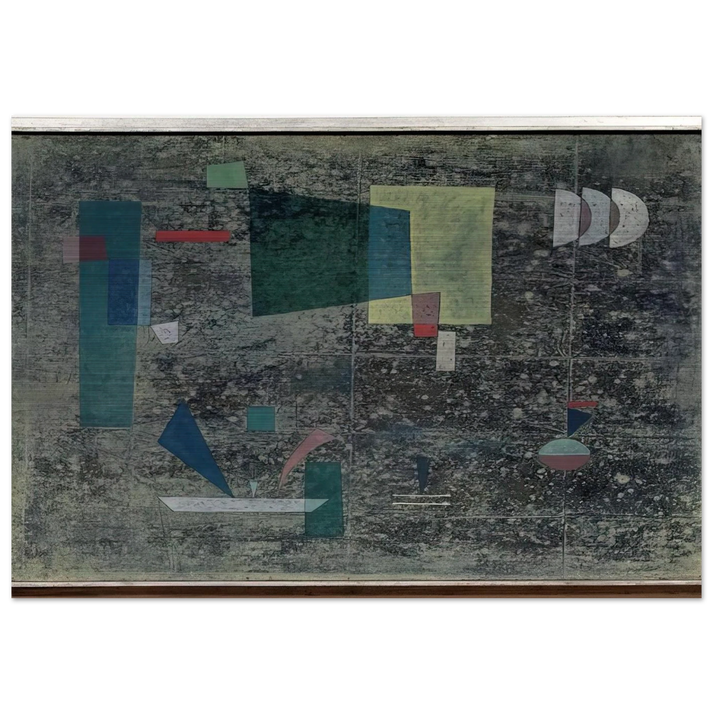
CIRCULATION SLOWED 1931 - Wassily Kandinsky Brushed Aluminum Print - 70x100 cm / 28x40 inches | Wassily Kandinsky Aluminum Print | Wassily Kandinsky Prints
CIRCULATION SLOWED 1931 - Wassily Kandinsky Brushed Aluminum Print - 70x100 cm / 28x40 inches | Wassily Kandinsky Aluminum Print | Wassily Kandinsky Prints
Couldn't load pickup availability
The Intersection of Geometry and Soul: Wassily Kandinsky’s 1931 Masterpiece
In Circulation Slowed (1931), Wassily Kandinsky explores the delicate tension between kinetic energy and static form. Created during his final years at the Bauhaus in Dessau, this piece captures the artist's evolution from raw emotional abstraction into a more calculated, architectural language. The composition features rhythmic, biomorphic shapes suspended in a state of deliberate deceleration, inviting the viewer to contemplate the silent mechanics of the universe.
A Modern Industrial Canvas for a Bauhaus Vision
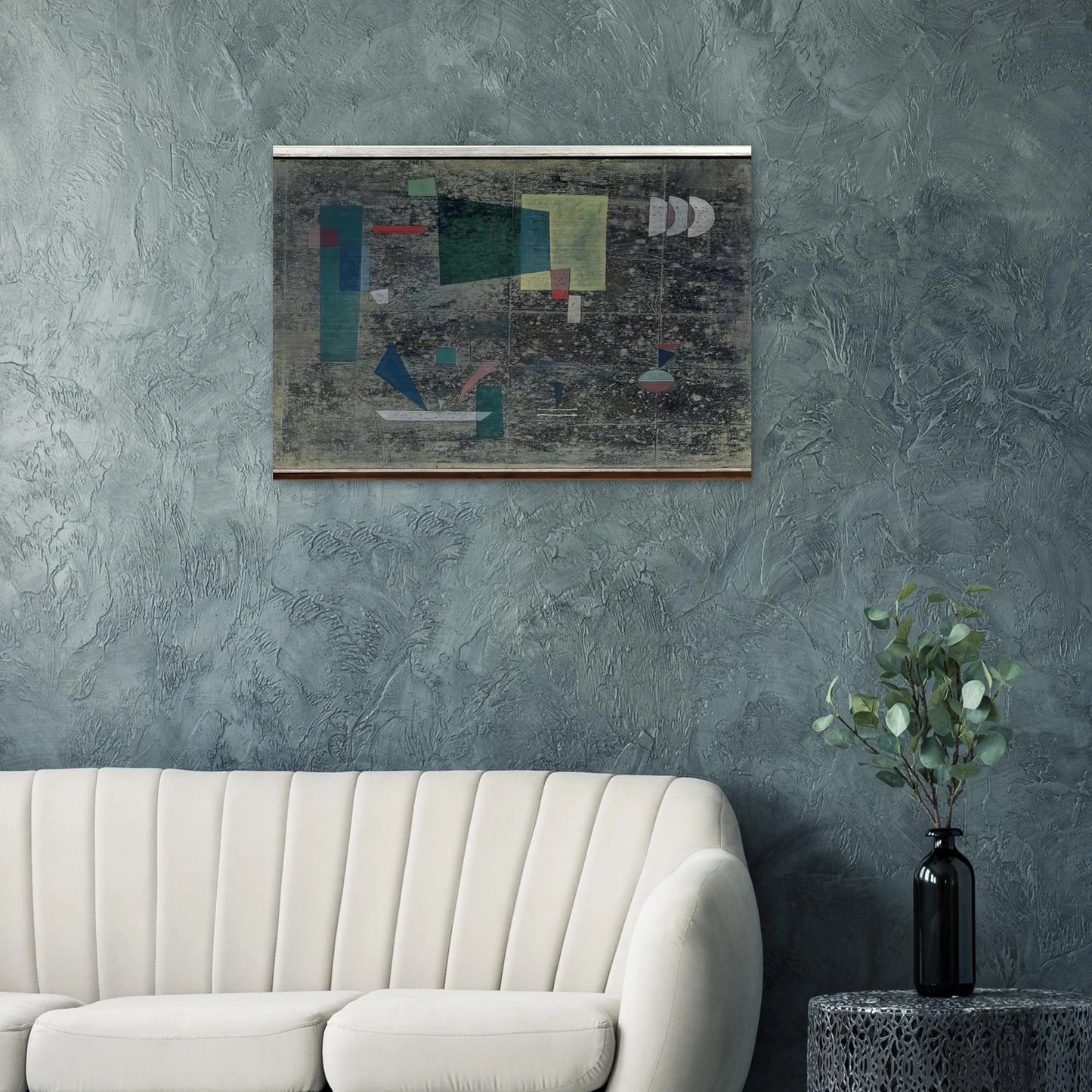
RedKalion elevates this historical work by presenting it on a brushed silver Aluminum DIBOND® substrate. This medium is particularly suited for Kandinsky’s geometric precision; the horizontal grain of the metal adds a subtle texture that interacts with ambient light, bringing a dynamic sense of motion to the 'slowed' circulation of the subject matter.
- Material: 3mm (0.12") Aluminum DIBOND® with a sophisticated brushed silver finish.
- Visual Effect: Unprinted white areas reveal the raw metallic grain for a striking, contemporary aesthetic.
- Finish: Matte and glare-free, ensuring the 1931 color palette remains true under any lighting.
- Durability: Highly rigid and archival-grade, designed to be an enduring centerpiece in your collection.
- Installation: Comes ready-to-hang with a specialized kit tailored to your region.
By choosing this museum-quality reproduction, you are not merely purchasing a print; you are acquiring a piece of art history reimagined for the modern interior. The archival integrity of the aluminum ensures that Kandinsky’s vision remains as sharp and impactful today as it was nearly a century ago.


Discover Unlimited Art Possibilities
At RedKalion, you can find virtually any artwork from any artist, available in a wide range of sizes to perfectly match your space.
If you didn’t find what you’re looking for, contact us at support@redkalion.com . We will source any artwork and produce it in any size and format you need, including art prints, posters, canvas, framed pieces, framed canvas, and more.
For dedicated art enthusiasts, we also offer handcrafted replicas of any artwork, carefully painted by highly skilled artists using traditional techniques.
For custom requests, contact us at support@redkalion.com .
What makes a brushed aluminum print unique for Kandinsky’s work?
The brushed silver Aluminum DIBOND® creates a metallic silver effect in unprinted areas, enhancing Kandinsky’s geometric shapes with a modern, industrial texture that paper cannot replicate.
Does the print have a glossy or matte finish?
Our aluminum prints feature a matte, glare-free finish. This ensures that the fine details and subtle colors of the 1931 original remain visible from all viewing angles without reflections.
How is the artwork shipped to ensure protection?
Each fine art print is securely packaged in heavy-duty protective materials to ensure it arrives in pristine condition. A country-specific hanging kit is included for immediate installation.
Is this print archival-grade for long-term display?
Yes. The 3mm Aluminum DIBOND® is a highly durable, rigid base that resists warping and fading, making it a museum-quality choice for long-term collection and display.
Is the mounting hardware included with the purchase?
Yes, every RedKalion aluminum print comes with a specialized hanging kit included in the price, though the specific hardware varies depending on the fulfillment country.
What was the significance of 1931 in Kandinsky’s career?
1931 marked a sophisticated period at the Bauhaus where Kandinsky synthesized geometric abstraction with organic forms, reflecting a deep spiritual and scientific curiosity about the nature of movement.
What does the title 'Circulation Slowed' represent?
The title refers to the visual slowing of kinetic energy. Kandinsky used carefully balanced shapes and lines to create a sense of 'frozen' or decelerated motion within the composition.