RedKalion
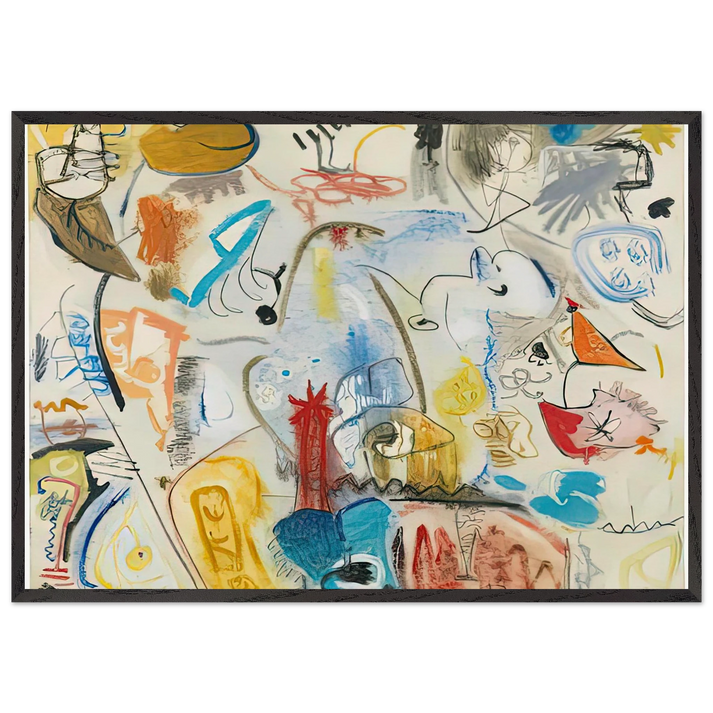
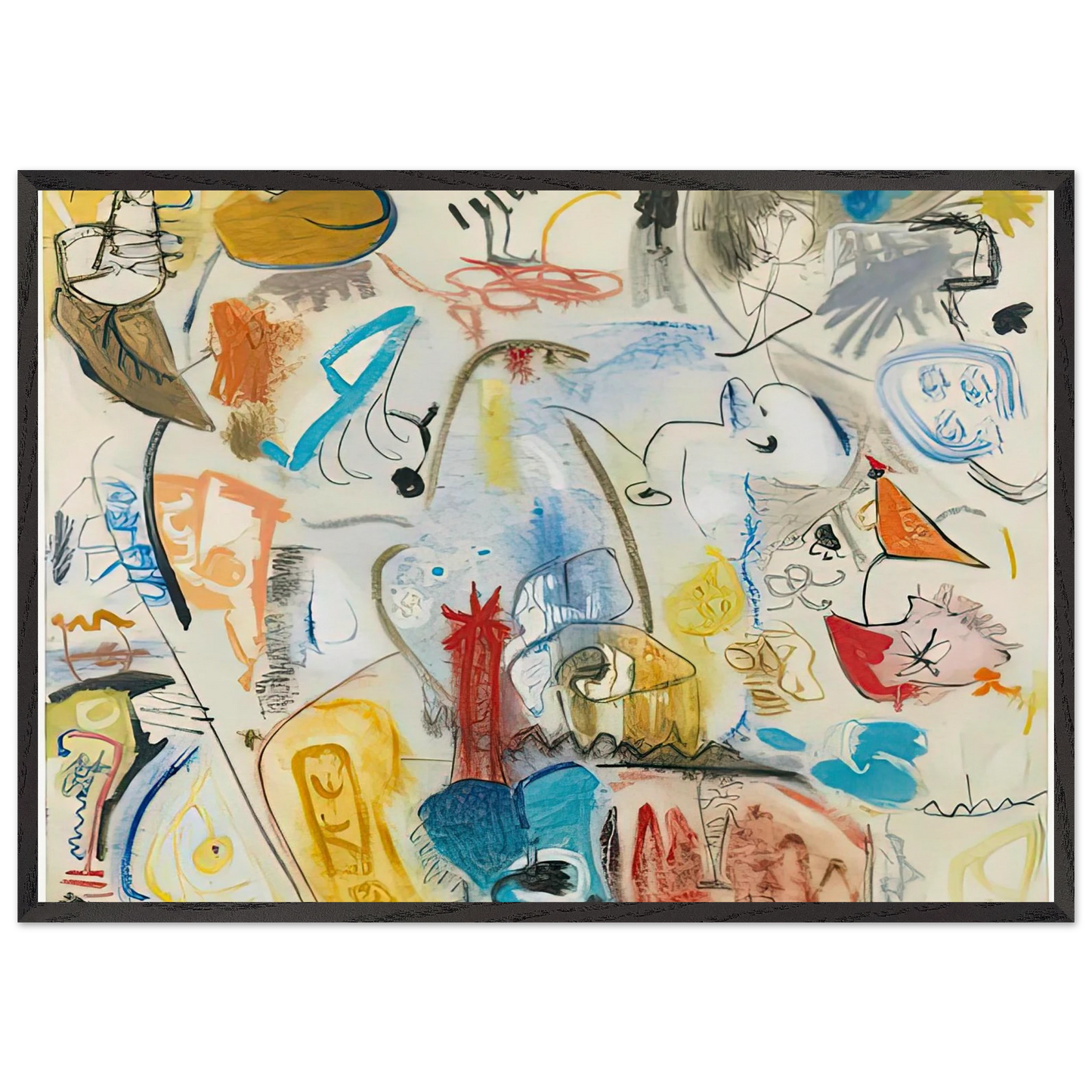
Circus Landscape 1951- - Helen Frankenthaler 70x100 cm / 28x40 inches Framed Art Print – Black Wooden Frame
Circus Landscape 1951- - Helen Frankenthaler 70x100 cm / 28x40 inches Framed Art Print – Black Wooden Frame
Couldn't load pickup availability
Elevate Your Space with Helen Frankenthaler’s Circus Landscape (1951)
Experience the lyrical energy of mid-century abstraction with this museum-quality reproduction of Helen Frankenthaler’s Circus Landscape (1951). Created during a pivotal moment in her career, this piece showcases Frankenthaler’s early exploration of line and color, bridging the gap between the structured chaos of Abstract Expressionism and the fluid landscapes that would later define her signature soak-stain technique.
Artistic Significance and Historical Context
In Circus Landscape, Frankenthaler employs a sophisticated interplay of gestural forms and vibrant hues. This 1951 masterpiece reflects the influence of her mentors, yet signals her own emerging voice in the New York School. The work captures a sense of movement and spontaneity, evoking the rhythmic cadence of a circus within an abstract, topographical framework. At RedKalion, we preserve this historical nuance through high-fidelity printing that captures every subtle tonal shift and delicate line.
Premium RedKalion Craftsmanship
This 70x100 cm (28x40 inches) fine art print is curated to meet the highest standards of archival longevity. Every detail is meticulously reproduced on 250 gsm (110 lb) natural white, archival museum-quality paper. This uncoated, matte-finished paper ensures a glare-free viewing experience, allowing the richness of Frankenthaler’s palette to shine without distraction. Our commitment to quality is evident in the structural integrity of the presentation:
- Sustainably Sourced Frame: Crafted from responsibly sourced oak and ash wood, the black wooden frame offers a sophisticated, modern finish.
- Substantial Profile: Unlike standard 14mm frames, our premium frames are 20mm (0.79") thick and wide, providing a robust and elegant presence on your wall.
- Ultimate Protection: Each print is shielded by shatterproof plexiglass, ensuring the artwork remains pristine for generations.
- Ready to Hang: Your archival masterpiece arrives with a complete hanging kit, ready to transform your interior immediately.
By choosing a RedKalion reproduction, you are investing in an archival-grade art piece that combines historical depth with sustainable, contemporary materials. Elevate your home or office with a work that endures.
Discover Unlimited Art Possibilities
At RedKalion, you can find virtually any artwork from any artist, available in a wide range of sizes to perfectly match your space.
If you didn’t find what you’re looking for, contact us at support@redkalion.com . We will source any artwork and produce it in any size and format you need, including art prints, posters, canvas, framed pieces, framed canvas, and more.
For dedicated art enthusiasts, we also offer handcrafted replicas of any artwork, carefully painted by highly skilled artists using traditional techniques.
For custom requests, contact us at support@redkalion.com .
What materials are used for the print and frame?
We use 250 gsm (110 lb) archival museum-quality paper and frames made from responsibly sourced oak and ash. This ensures longevity and a premium aesthetic.
How is the artwork protected during display?
Every framed print includes shatterproof, transparent plexiglass. This protects the Frankenthaler print from dust and damage while maintaining crystal-clear visibility.
Is the framing material sustainable?
Yes, RedKalion uses FSC-certified materials or equivalent. Our frames are 20mm thick, providing more durability and environmental responsibility than standard thin frames.
Does the print arrive ready to hang?
Absolutely. Your 70x100 cm framed art print includes a professional hanging kit, allowing you to mount the artwork directly onto your wall upon arrival.
How does the paper finish affect the artwork?
We use an uncoated, matte finish on natural white paper. This eliminates glare and highlights the authentic textures and colors of Frankenthaler's 1951 landscape.
What is the significance of 'Circus Landscape' in Frankenthaler's career?
Circus Landscape (1951) is a seminal early work. It represents Frankenthaler’s transition toward lyrical abstraction, blending avant-garde influences with her unique sense of color and space.
How does this reproduction capture the artist's original intent?
Through high-resolution archival printing, we capture the precise gestural lines and varying densities of color that characterize Frankenthaler’s early 1950s aesthetic.