RedKalion
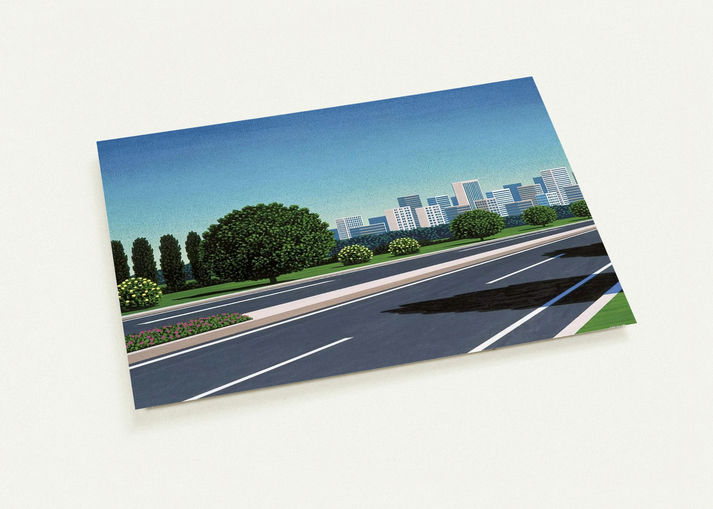
City Highway By Hiroshi Nagai Pack of 10 Post Cards | Hiroshi Nagai Post Cards | A6 (10.5 x 14.8 cm) - 4.1 x 5.8 inches
City Highway By Hiroshi Nagai Pack of 10 Post Cards | Hiroshi Nagai Post Cards | A6 (10.5 x 14.8 cm) - 4.1 x 5.8 inches
Couldn't load pickup availability
Experience the Nostalgic Brilliance of Hiroshi Nagai’s ‘City Highway’
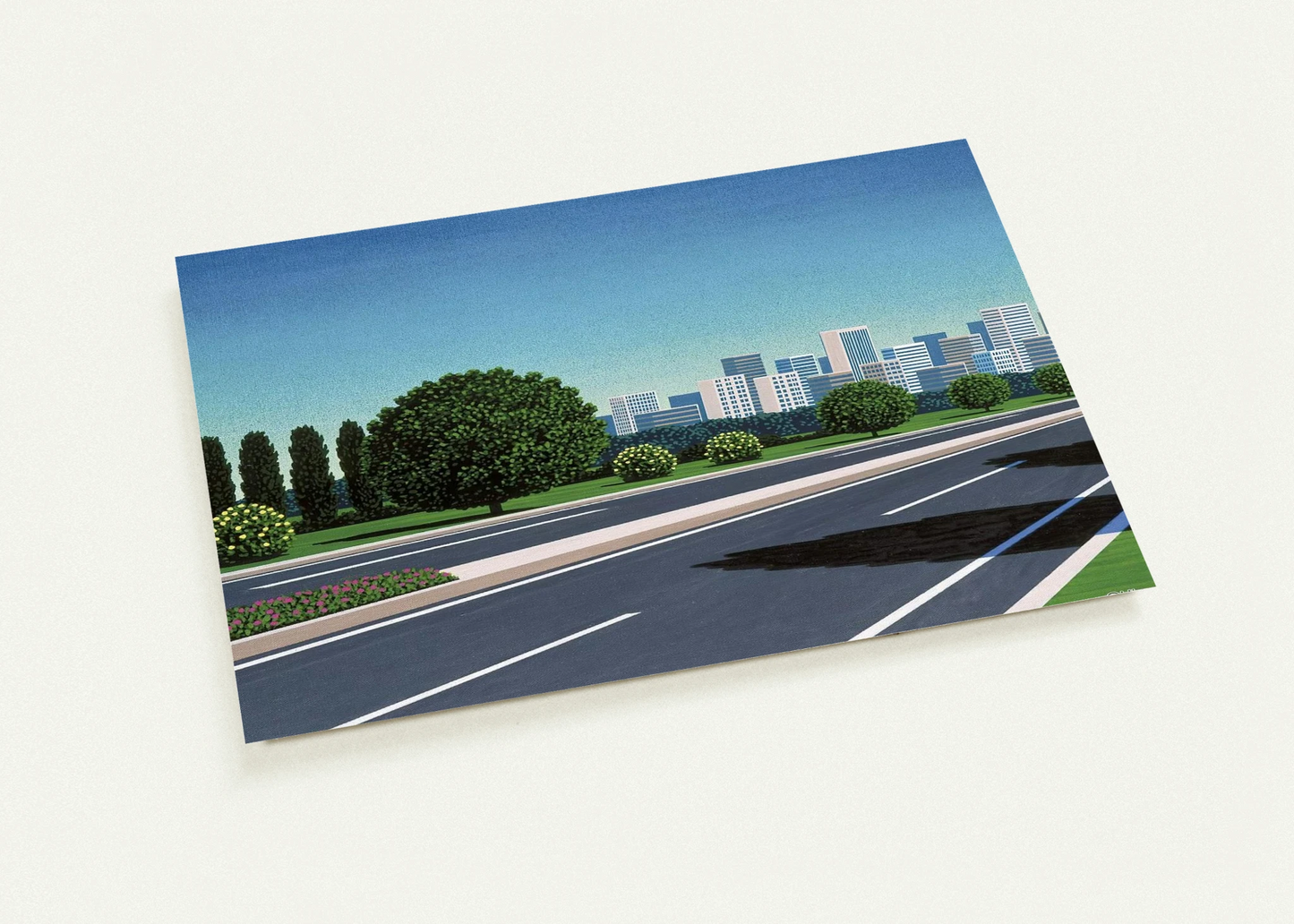
Step into the sleek, neon-lit aesthetics of the 1980s Japanese City Pop movement with this curated pack of 10 postcards featuring Hiroshi Nagai’s ‘City Highway’. Nagai is a legendary figure whose work defined the visual identity of an era, known for his pristine landscapes and vibrant urban scenes. This piece, with its sharp perspectives and evocative lighting, captures the serene yet dynamic energy of Tokyo’s metropolitan infrastructure.
Museum-Quality Reproductions in a Miniature Format
At RedKalion, we believe fine art should be accessible without compromising on technical excellence. These museum-quality reproductions utilize our advanced 12-color fine art printing technology. Unlike standard 4-color inkjet processes, our method ensures breathtaking color vibrancy and depth, meticulously capturing the subtle gradients of Nagai’s iconic twilight skies. Each A6 card is printed on 200 gsm (80 lb) FSC-certified paper, offering a substantial, premium feel with a smooth matte finish that eliminates glare and enhances visual clarity.
The Art of the City Pop Aesthetic
Hiroshi Nagai’s technique is characterized by a unique blend of American pop art influences and a distinctly Japanese sense of space and tranquility. ‘City Highway’ exemplifies his mastery of color theory, using high-contrast palettes to create a sense of deep nostalgia and futuristic optimism. By choosing these Hiroshi Nagai postcards, you are not merely purchasing stationery; you are acquiring a tactile piece of art history designed to endure.
- Pack of 10 flat postcards (A6: 10.5 x 14.8 cm).
- Environmentally conscious, archival-grade materials.
- Printed on demand to ensure precision and reduce waste.
- Elevate your space with an archival masterpiece that endures.
Discover Unlimited Art Possibilities
At RedKalion, you can find virtually any artwork from any artist, available in a wide range of sizes to perfectly match your space.
If you didn’t find what you’re looking for, contact us at support@redkalion.com . We will source any artwork and produce it in any size and format you need, including art prints, posters, canvas, framed pieces, framed canvas, and more.
For dedicated art enthusiasts, we also offer handcrafted replicas of any artwork, carefully painted by highly skilled artists using traditional techniques.
For custom requests, contact us at support@redkalion.com .
What is the paper quality of these Hiroshi Nagai postcards?
Each card is printed on premium 200 gsm (80 lb) FSC-certified paper with a thickness of 0.26 mm. This ensures a sturdy, high-quality feel and a smooth matte finish that prevents glare.
How does the 12-color printing process benefit the artwork?
Our 12-color fine art technology provides superior color accuracy and depth compared to standard 4-color printing. This allows for the precise reproduction of Hiroshi Nagai’s vibrant gradients and iconic color palettes.
Are these postcards environmentally friendly?
Yes, sustainability is central to RedKalion. These postcards are printed on FSC-certified paper from responsibly managed forests and are produced on demand to minimize environmental impact and waste.
What is the shipping time for my RedKalion order?
As each set is printed on demand to maintain museum-quality standards, orders typically process within 2-4 business days. Shipping times vary by location but always include tracking for your peace of mind.
Will the colors fade over time?
No, we use archival-grade inks designed for longevity. When kept out of direct sunlight, these prints maintain their vibrancy for decades, making them a lasting addition to your art collection.
What movement is Hiroshi Nagai’s ‘City Highway’ associated with?
Hiroshi Nagai’s work is the cornerstone of the Japanese ‘City Pop’ aesthetic of the late 1970s and 80s, blending retro-Americana with modern Japanese urban landscapes and a sense of nostalgic luxury.
Why is ‘City Highway’ considered a quintessential example of Nagai’s work?
It showcases his signature use of clean lines, high-contrast shadows, and the evocative ‘blue hour’ lighting that defined the visual language of Japan’s economic boom and the accompanying music scene.