RedKalion
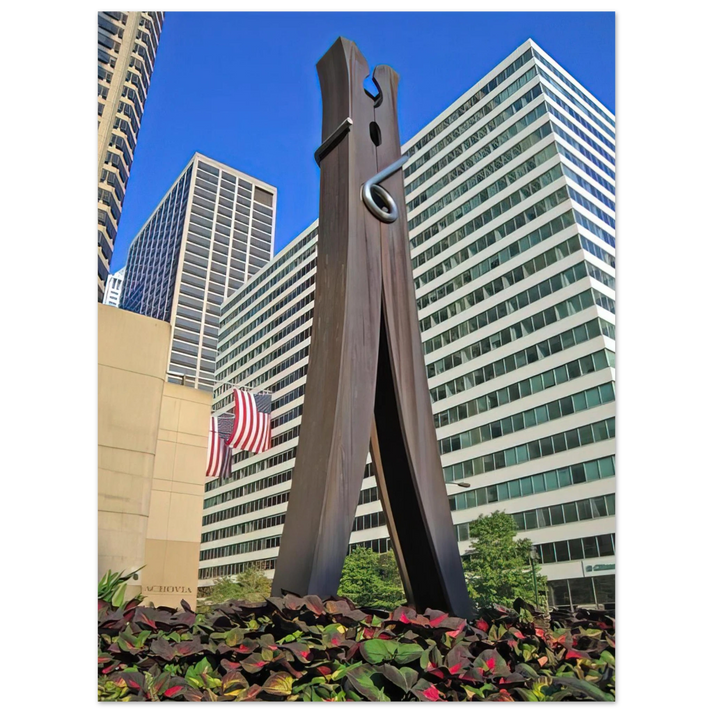
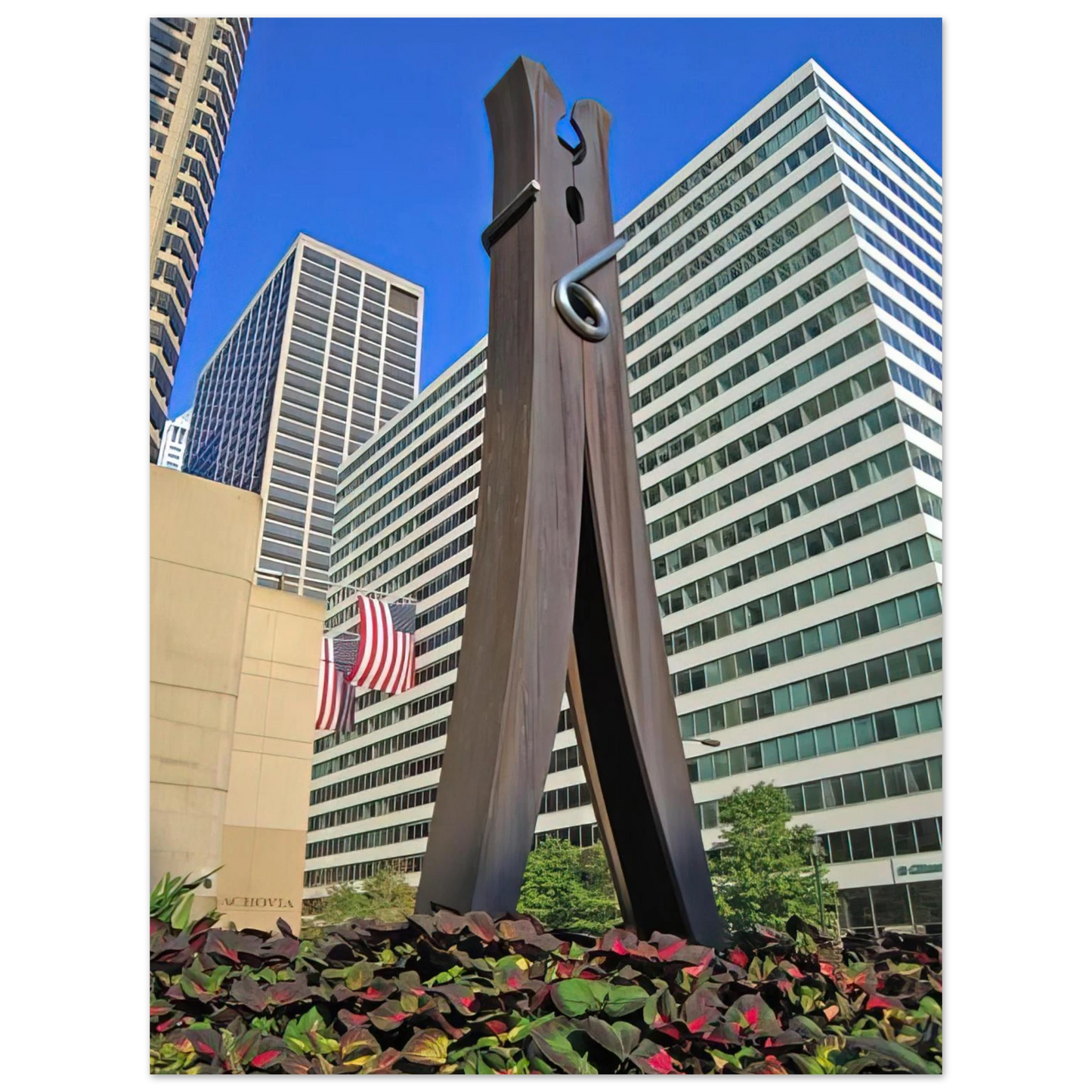
Claes Oldenburg - CLOTHESPIN 1976 75x100 cm / 30x40inches Fine Art Poster
Claes Oldenburg - CLOTHESPIN 1976 75x100 cm / 30x40inches Fine Art Poster
Couldn't load pickup availability
Elevate Your Space with Claes Oldenburg's Monumental Pop Vision
Experience the wit and grandeur of Claes Oldenburg's 'CLOTHESPIN' (1976), a definitive icon of the Pop Art movement. This 75x100 cm (30x40 inches) fine art poster captures the essence of Oldenburg's genius: the transformation of a mundane, domestic object into a monumental architectural form. Originally commissioned for the Philadelphia City Hall Plaza, the 'Clothespin' serves as a playful yet profound commentary on modern society, echoing the verticality of historic monuments through the lens of everyday life.
Museum-Quality Reproduction for Discerning Collectors
At RedKalion, we bridge the gap between historic masterpieces and contemporary interior design. Our reproduction of Oldenburg's masterpiece is printed on Master's Edition archival paper. This premium, museum-quality substrate features a luxurious matte, uncoated finish in a sophisticated natural white, ensuring that the bold lines and structural depth of the 1976 sculpture are rendered with impeccable clarity and depth.
Technical Precision and Archival Excellence
- Authentic Texture: The 250 gsm (110 lb) paper provides a substantial, tactile weight typical of high-end gallery prints.
- Enduring Beauty: Our acid-free (pH above 7) paper prevents yellowing or degradation, ensuring your investment remains a centerpiece for decades.
- Substantial Presence: With a thickness of 0.29 mm (11.4 mils), this print offers the structural integrity required for professional framing.
- Sustainable Craftsmanship: We exclusively use FSC-certified materials, aligning artistic appreciation with environmental responsibility.
By choosing this Claes Oldenburg fine art print, you are not merely purchasing a poster; you are acquiring a piece of art history curated by RedKalion—where archival-grade materials meet the pinnacle of 20th-century aesthetic innovation.
Discover Unlimited Art Possibilities
At RedKalion, you can find virtually any artwork from any artist, available in a wide range of sizes to perfectly match your space.
If you didn’t find what you’re looking for, contact us at support@redkalion.com . We will source any artwork and produce it in any size and format you need, including art prints, posters, canvas, framed pieces, framed canvas, and more.
For dedicated art enthusiasts, we also offer handcrafted replicas of any artwork, carefully painted by highly skilled artists using traditional techniques.
For custom requests, contact us at support@redkalion.com .
What makes the Claes Oldenburg Clothespin print a museum-quality reproduction?
RedKalion uses Master's Edition archival paper (250 gsm) with a matte finish. This ensures color accuracy, eliminates glare, and provides a sophisticated texture comparable to original gallery acquisitions.
What are the specific dimensions and paper weight for this fine art poster?
This print measures 75x100 cm (30x40 inches). It is printed on 110 lb (250 gsm) paper with a thickness of 0.29 mm, offering a premium, heavyweight feel.
Is the paper used for this Oldenburg print sustainable?
Yes, we use FSC-certified paper, ensuring that your archival print is produced through environmentally responsible and socially beneficial forestry practices.
How does RedKalion ensure the longevity of the Clothespin artwork?
We use acid-free paper with a pH level above 7. This archival standard prevents the paper from yellowing or becoming brittle, preserving the artwork's integrity over time.
What is the shipping and fulfillment process for this archival print?
We operate on a print-on-demand basis with no minimum orders. Each piece is meticulously produced and shipped in protective packaging to ensure it arrives in pristine condition.
What is the historical significance of Oldenburg's Clothespin (1976)?
Created for Philadelphia's Bicentennial, the sculpture reimagines a common object as a 45-foot steel monument, blending humor with formalist beauty and referencing the city's democratic ideals.
Why did Claes Oldenburg choose a clothespin as a subject for monumental art?
Oldenburg sought to democratize art by magnifying everyday items, forcing viewers to reconsider the aesthetic value and structural complexity of objects often overlooked in daily life.