RedKalion
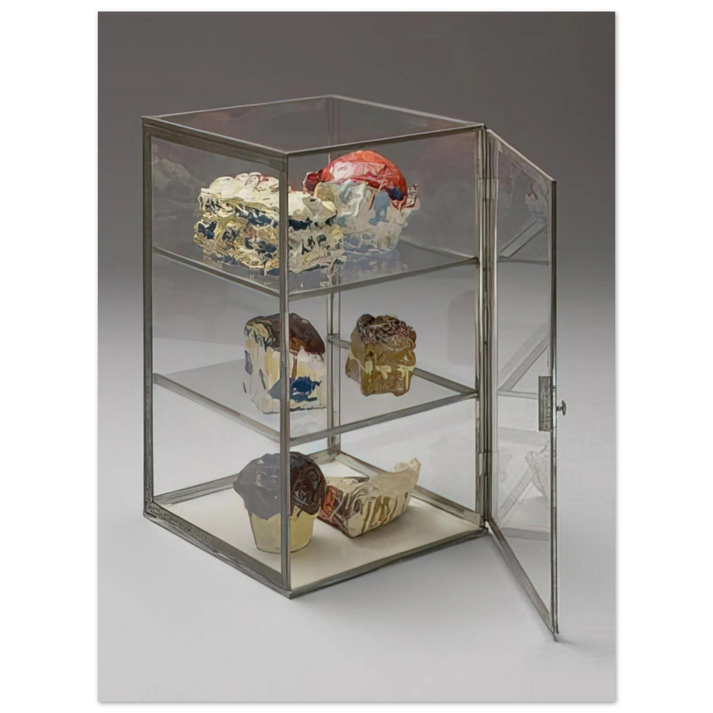
Claes Oldenburg - PASTRY CASE 1961 75x100 cm / 30x40inches Fine Art Poster
Claes Oldenburg - PASTRY CASE 1961 75x100 cm / 30x40inches Fine Art Poster
Couldn't load pickup availability
Elevate Your Space with Claes Oldenburg’s Iconic Pop Art Masterpiece
Immerse your interior in the vibrant, tactile energy of the 1960s with our museum-quality reproduction of Claes Oldenburg’s Pastry Case (1961). Originally a cornerstone of Oldenburg's legendary installation "The Store," this piece represents a pivotal moment in the Pop Art movement. By transforming everyday American consumer items into expressive, textured sculptures, Oldenburg challenged the boundaries between high art and the mundane commercial world.
Artistic Context and Historical Significance
In Pastry Case, Oldenburg utilized plaster-soaked burlap and drips of enamel paint to mimic the appearance of cakes, sundaes, and ribs. This technique was a sophisticated parody of the Abstract Expressionist brushwork dominant at the time, redirecting that raw energy toward the window displays of a typical Manhattan storefront. This fine art print captures the rich, visceral textures and saturated colors of the original, serving as a profound commentary on consumer culture and the sensory experience of modern life.
Museum-Grade Material and RedKalion Quality
At RedKalion, we curate only the finest materials to ensure your artwork remains a legacy piece. This 75x100 cm (30x40 inches) reproduction is printed on our Master's Edition archival paper. Our commitment to quality includes:
- Luxurious Finish: A matte, uncoated, natural white (off-white) surface that eliminates glare and enhances color depth.
- Archival Longevity: Acid-free paper (pH above 7) prevents yellowing or degradation over decades.
- Substantial Weight: 250 gsm (110 lb) paper with a thickness of 0.29 mm (11.4 mils) for a premium, heavy-duty feel.
- Sustainability: Printed on FSC-certified paper, reflecting our dedication to environmental responsibility.
Experience the intersection of historical weight and contemporary aesthetics with an archival masterpiece that endures as long as its cultural impact.
Discover Unlimited Art Possibilities
At RedKalion, you can find virtually any artwork from any artist, available in a wide range of sizes to perfectly match your space.
If you didn’t find what you’re looking for, contact us at support@redkalion.com . We will source any artwork and produce it in any size and format you need, including art prints, posters, canvas, framed pieces, framed canvas, and more.
For dedicated art enthusiasts, we also offer handcrafted replicas of any artwork, carefully painted by highly skilled artists using traditional techniques.
For custom requests, contact us at support@redkalion.com .
What are the dimensions of this Claes Oldenburg fine art print?
This premium reproduction measures 75x100 cm (approximately 30x40 inches), making it a significant statement piece for any modern interior or gallery wall.
What kind of paper is used for the Pastry Case 1961 reproduction?
We use Master's Edition archival paper. It is a 250 gsm (110 lb) matte, uncoated, natural white paper designed specifically for museum-quality longevity.
Will the colors of the print fade or the paper yellow over time?
No. Our prints are produced on acid-free paper with a pH above 7, ensuring the archival-grade materials prevent yellowing and maintain color integrity for decades.
How is the print shipped and is there a minimum order?
RedKalion prints and ships on demand with no minimum order requirements. Each piece is handled with extreme care to ensure it arrives in pristine condition.
Is the paper used for this artwork environmentally friendly?
Yes, we prioritize sustainability. The archival paper used for the Claes Oldenburg Pastry Case reproduction is FSC-certified or equivalent, depending on regional availability.
What is the significance of the "Pastry Case" in art history?
It was part of Oldenburg's "The Store" (1961), an installation where he sold plaster sculptures of consumer goods, blurring the line between an art gallery and a commercial shop.
How does Oldenburg’s style differ from other Pop Artists?
While others used flat commercial techniques, Oldenburg’s early work like Pastry Case features a "drippy," tactile quality that parodies Abstract Expressionism while celebrating everyday objects.