RedKalion
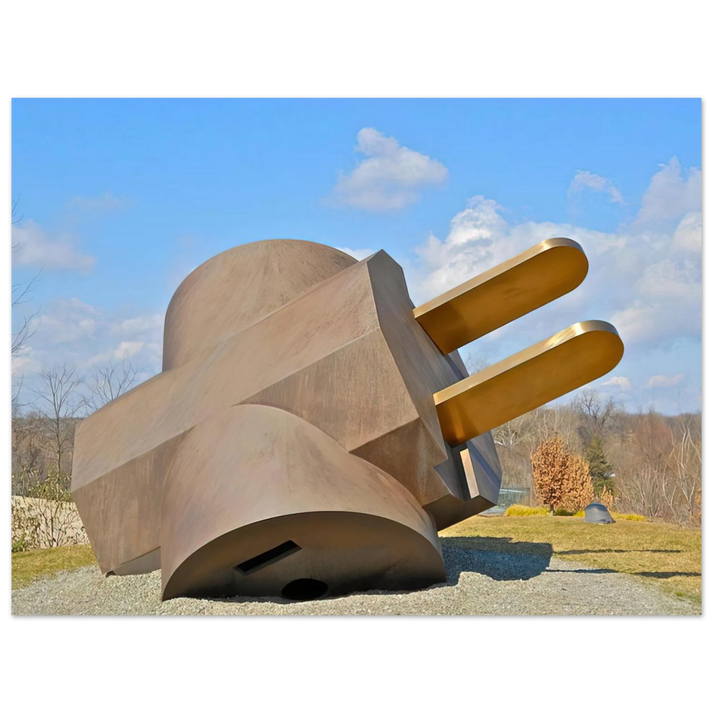
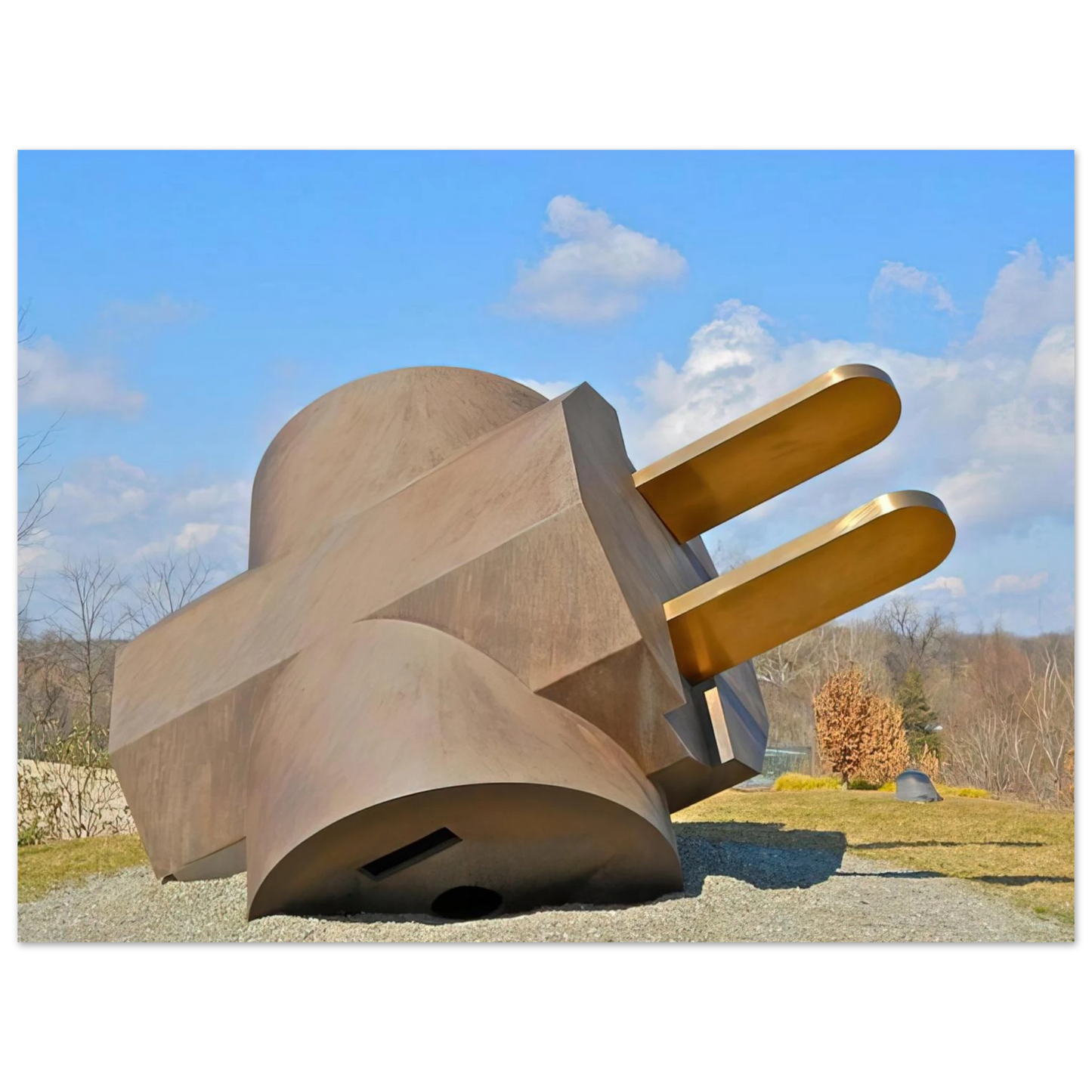
Claes Oldenburg - PLUG 1970 75x100 cm / 30x40inches Fine Art Poster
Claes Oldenburg - PLUG 1970 75x100 cm / 30x40inches Fine Art Poster
Couldn't load pickup availability
Elevate Your Collection with Claes Oldenburg’s PLUG (1970)
Experience the transformative power of Pop Art with this exquisite reproduction of Claes Oldenburg’s PLUG (1970). As a pioneer of the movement, Oldenburg is celebrated for his ability to take the mundane—the everyday objects of industrial life—and elevate them to the status of monumental icons. This specific work, capturing the architectural geometry of a standard three-way plug, challenges the viewer to reconsider the form and function of the objects that surround us.
At RedKalion, we curate museum-quality reproductions that honor the artist's original vision. This fine art print is produced on our Master's Edition archival paper, offering a sophisticated matte, uncoated finish. The natural white (off-white) tone provides a luxurious texture that allows the bold, graphic lines of Oldenburg’s industrial draftsmanship to resonate with depth and clarity.
The RedKalion Standard: Museum-Grade Excellence
This is not a standard poster; it is a meticulously crafted fine art print designed for the discerning collector. Utilizing acid-free materials ensures that the integrity of the artwork remains uncompromised for generations. Our archival process guarantees that the vibrant contrast and structural nuances of the 1970 original are preserved without the risk of yellowing or degradation.
- Paper Quality: 250 gsm (110 lb) Master's Edition archival paper for a premium, heavy-duty feel.
- Texture & Finish: A refined matte, uncoated surface that eliminates glare and highlights ink depth.
- Archival Longevity: Acid-free (pH above 7) composition to ensure your investment endures.
- Sustainable Craftsmanship: FSC-certified paper, supporting responsible forest management.
- Dimensions: 75x100 cm / 30x40 inches—a commanding presence for modern interiors.
By choosing a RedKalion print, you are investing in an archival masterpiece that bridges the gap between historical significance and contemporary interior design. Transform your space with a piece that defines the legacy of 20th-century American art.
Discover Unlimited Art Possibilities
At RedKalion, you can find virtually any artwork from any artist, available in a wide range of sizes to perfectly match your space.
If you didn’t find what you’re looking for, contact us at support@redkalion.com . We will source any artwork and produce it in any size and format you need, including art prints, posters, canvas, framed pieces, framed canvas, and more.
For dedicated art enthusiasts, we also offer handcrafted replicas of any artwork, carefully painted by highly skilled artists using traditional techniques.
For custom requests, contact us at support@redkalion.com .
What are the specifications of the paper used for this Oldenburg print?
We use Master's Edition archival paper. It is a heavy 250 gsm (110 lb) stock with a thickness of 0.29 mm (11.4 mils), providing a premium, museum-quality feel for your fine art poster.
How does the archival quality prevent yellowing over time?
Our paper is strictly acid-free with a pH level above 7. This chemical balance prevents the paper from reacting with light and air, ensuring the natural white finish remains pristine for decades.
How is the artwork shipped and are there minimum order requirements?
There are no minimum order requirements. Each Claes Oldenburg print is produced on demand and shipped in protective, archival-safe packaging to ensure it arrives in gallery condition.
Is the paper used for this fine art poster sustainable?
Yes, RedKalion is committed to environmental responsibility. All prints are produced on FSC-certified paper, ensuring that the materials are sourced from responsibly managed forests.
What kind of finish does this museum-quality reproduction have?
The print features a luxurious matte, uncoated finish. This natural white surface provides a non-reflective, sophisticated texture that perfectly complements the bold graphic style of 1970s Pop Art.
What is the significance of the Plug in Claes Oldenburg’s body of work?
Oldenburg’s 'Plug' series monumentalizes everyday utility. By enlarging a three-way plug, he transforms a domestic tool into a sculptural icon, exploring themes of industrialization and the human-made environment.
How does this 1970 piece reflect the Pop Art movement?
PLUG (1970) epitomizes Pop Art by blurring the lines between commercial objects and high art. It utilizes technical, draft-like aesthetics to challenge traditional hierarchies of what subjects are worthy of artistic representation.