RedKalion
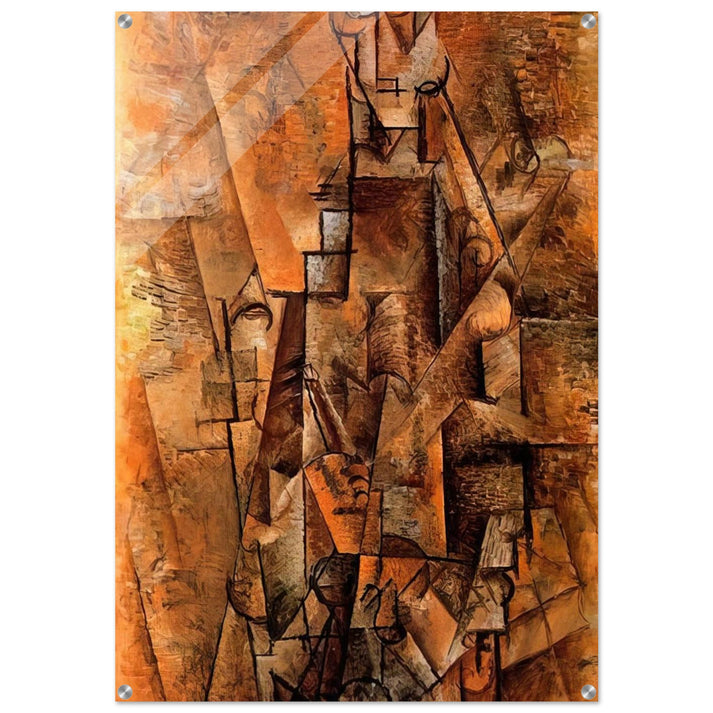
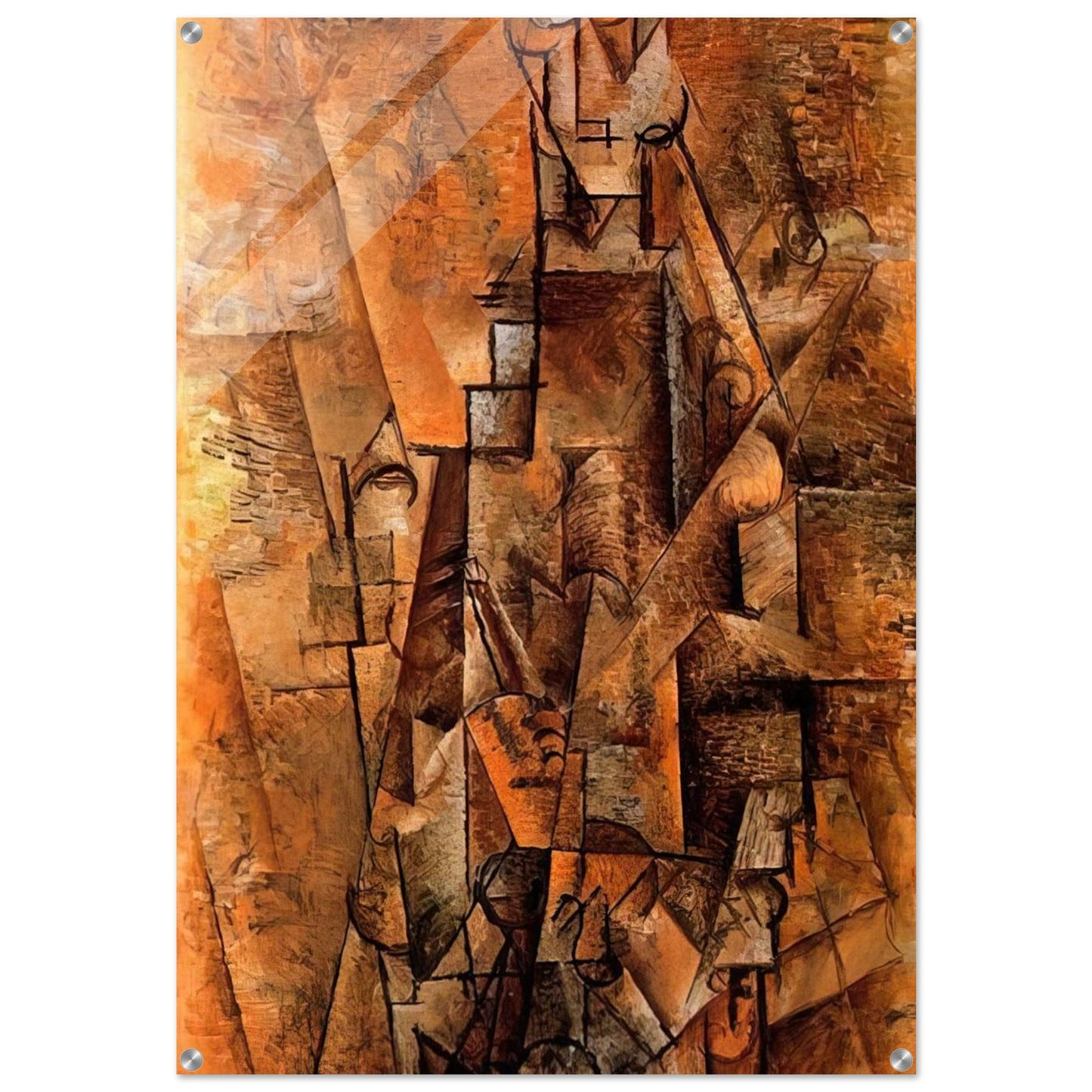
Clarinetist - 1911 - Pablo Picasso Acrylic Print - 70x100 cm / 28x40″ inches | Pablo Picasso Wall Art | Pablo Picasso Prints
Clarinetist - 1911 - Pablo Picasso Acrylic Print - 70x100 cm / 28x40″ inches | Pablo Picasso Wall Art | Pablo Picasso Prints
Couldn't load pickup availability
Elevate Your Space with Picasso’s Analytic Cubism Masterpiece
Experience the intellectual rigor of 1911, a pivotal year in art history, with this stunning Pablo Picasso wall art reproduction. Clarinetist (The Clarinet Player) represents the height of Analytic Cubism, where Picasso, alongside Georges Braque, deconstructed subjects into a complex grid of overlapping planes and geometric facets. This museum-quality reproduction captures the monochromatic depth and revolutionary spirit of a work that forever altered the course of modernism.
The Artistic Significance of Clarinetist (1911)
In this piece, Picasso moves beyond mere representation, inviting the viewer to engage in a conceptual reconstruction of the subject. The subtle ochre and gray tones are masterfully preserved in our fine art print, highlighting the rhythmic structure of the clarinet against the fragmented form of the musician. At 70x100 cm, this large-scale Pablo Picasso print serves as a sophisticated focal point for any gallery-inspired interior.
Premium RedKalion Acrylic Craftsmanship
RedKalion brings this historical treasure into the modern era using archival-grade 4mm (0.15") acrylic. This material provides a sleek, high-gloss finish that enhances the depth and vibrancy of the cubist facets, creating a 3D-like clarity that traditional paper cannot achieve. Unlike standard prints, our museum-quality reproduction is built for longevity and visual impact.
- Material: Durable 4mm (0.15") high-grade acrylic for a vibrant, glass-like finish.
- Modern Design: Precision straight-cut corners for a contemporary aesthetic.
- Optimized Presentation: Transparent backgrounds default to white to ensure Picasso's nuanced palette remains true to the original.
- Ready to Hang: Each print includes a comprehensive hanging kit with four 15mm (0.6") screw heads and pre-drilled holes for effortless installation.
By choosing RedKalion, you are investing in an archival masterpiece that endures, bringing the sophisticated legacy of Pablo Picasso into your personal collection with unmatched clarity and craftsmanship.
Discover Unlimited Art Possibilities
At RedKalion, you can find virtually any artwork from any artist, available in a wide range of sizes to perfectly match your space.
If you didn’t find what you’re looking for, contact us at support@redkalion.com . We will source any artwork and produce it in any size and format you need, including art prints, posters, canvas, framed pieces, framed canvas, and more.
For dedicated art enthusiasts, we also offer handcrafted replicas of any artwork, carefully painted by highly skilled artists using traditional techniques.
For custom requests, contact us at support@redkalion.com .
What makes the Clarinetist acrylic print museum-quality?
Our 70x100 cm acrylic prints utilize high-grade 4mm material, ensuring vibrant color depth and archival longevity. This premium finish mimics the clarity of gallery glass, protecting the intricate details of Picasso's work for decades.
How is the Pablo Picasso wall art installed?
Your print arrives with a professional hanging kit, including hardware and screws. The acrylic features four pre-drilled holes (8mm diameter) positioned 14mm from the edges, ensuring a secure and perfectly aligned mounting.
Will the colors in the print fade over time?
No. RedKalion uses archival-grade inks and UV-resistant 4mm acrylic to ensure your fine art print remains fade-resistant and vibrant, maintaining the integrity of Picasso's monochromatic Cubist palette.
How is the artwork protected during shipping?
Each Pablo Picasso print is meticulously packaged with protective layers to prevent scratches and impact damage. We ensure your museum-quality reproduction arrives in pristine condition, ready for immediate display.
How does the transparent background work on acrylic?
To ensure the best visual presentation of Picasso's work, any transparent or white areas in the digital file are printed with a solid white backing, providing optimal contrast and opacity for the 4mm acrylic.
Why was 1911 a significant year for Pablo Picasso?
1911 marked the zenith of Analytic Cubism. During this period, Picasso worked closely with Braque in Céret, pushing abstraction to its limits by fragmenting forms into a complex, intellectual language of geometry.
What defines the style of the Clarinetist?
This piece is defined by its monochromatic palette and rhythmic structure. Picasso uses geometric facets to suggest the form of the musician and instrument, requiring the viewer to mentally reassemble the fragmented image.