RedKalion
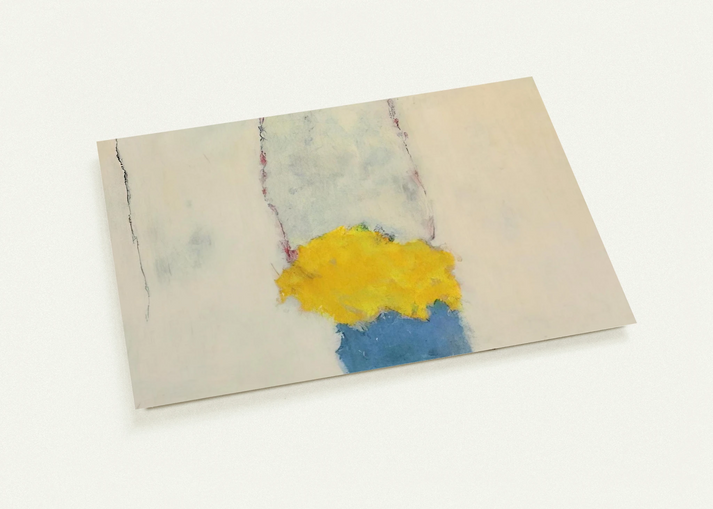
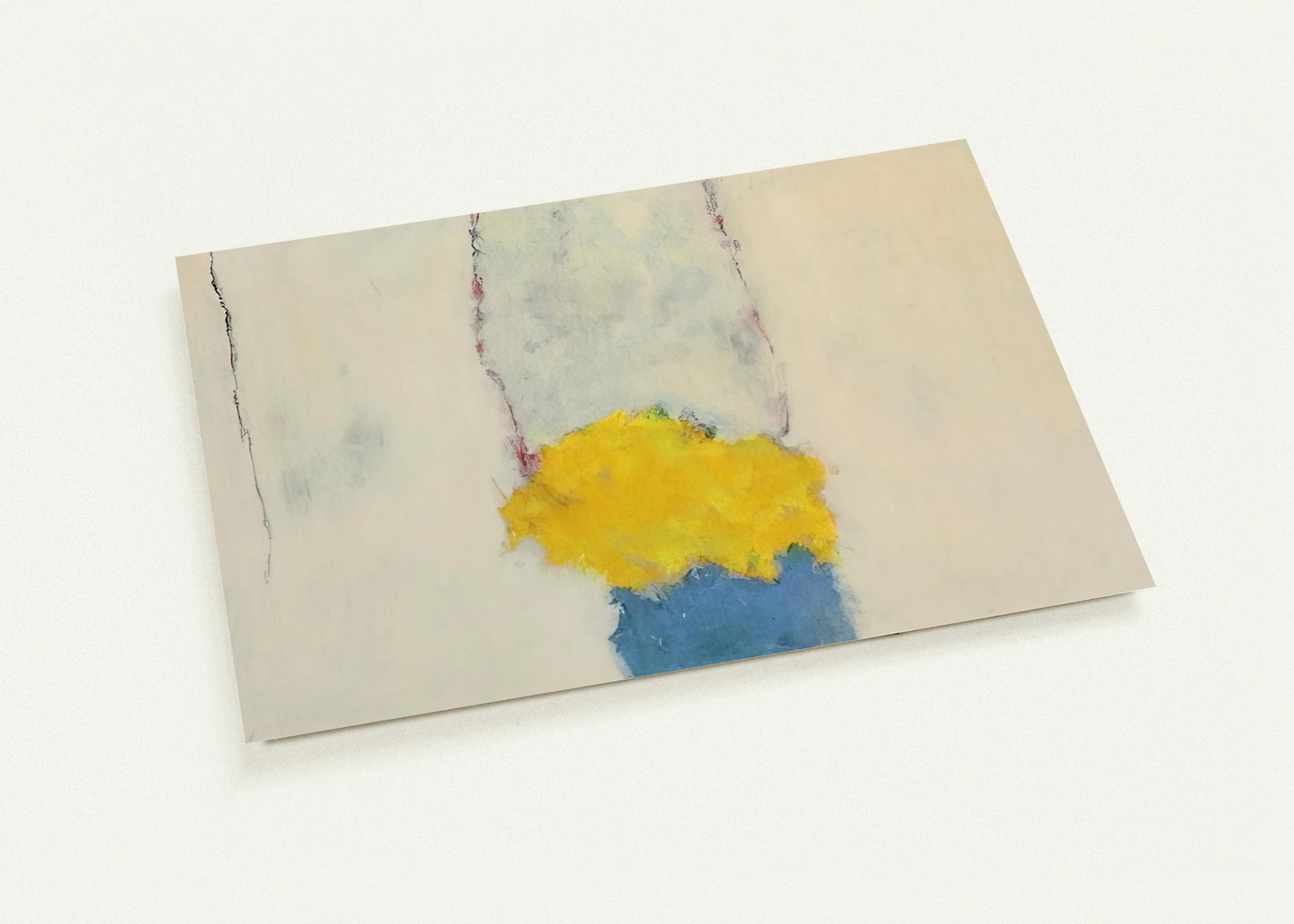
Classic Boundaries IV - 1962 By Theodoros Stamos Pack of 10 Post Cards | Theodoros Stamos Post Cards | A6 (10.5 x 14.8 cm) - 4.1 x 5.8 inches
Classic Boundaries IV - 1962 By Theodoros Stamos Pack of 10 Post Cards | Theodoros Stamos Post Cards | A6 (10.5 x 14.8 cm) - 4.1 x 5.8 inches
Couldn't load pickup availability
The Ethereal Precision of Theodoros Stamos: Classic Boundaries IV (1962)
Immerse yourself in the contemplative world of Theodoros Stamos, a titan of the Abstract Expressionist movement and a key member of the 'Irascibles.' His 1962 masterpiece, Classic Boundaries IV, represents a sophisticated exploration of light, space, and the delicate tension between structured form and atmospheric haze. In this piece, Stamos navigates the transition into his iconic 'Sun-Box' era, creating a visual dialogue that is both tranquil and profoundly emotive.
RedKalion is proud to present this curated pack of 10 fine art postcards, allowing you to share a fragment of art history or elevate your personal space with museum-quality reproductions. Unlike standard commercial printing, our postcards utilize 12-color fine art printing technology. This advanced process ensures that the subtle gradients and rich tonal shifts of Stamos’s palette are captured with breathtaking accuracy, depth, and vibrancy far exceeding standard 4-color inkjet methods.
- Premium Material: Each card is printed on 200 gsm (80 lb) paper with a thickness of 0.26 mm (10.3 mils) for a substantial, high-end feel.
- Artisan Finish: A smooth matte finish provides a clean, glare-free display, perfect for framing or correspondence.
- Ethical Craftsmanship: We use FSC-certified, environmentally conscious paper, ensuring your collection is as sustainable as it is beautiful.
- Archival Durability: Our museum-grade materials are designed to resist fading, preserving the integrity of the abstract composition for years to come.
Whether utilized for sophisticated correspondence or displayed as a miniature gallery set, these Classic Boundaries IV Theodoros Stamos post cards bring the enduring legacy of 1960s American abstraction into your home. Elevate your space with an archival masterpiece that endures.
Discover Unlimited Art Possibilities
At RedKalion, you can find virtually any artwork from any artist, available in a wide range of sizes to perfectly match your space.
If you didn’t find what you’re looking for, contact us at support@redkalion.com . We will source any artwork and produce it in any size and format you need, including art prints, posters, canvas, framed pieces, framed canvas, and more.
For dedicated art enthusiasts, we also offer handcrafted replicas of any artwork, carefully painted by highly skilled artists using traditional techniques.
For custom requests, contact us at support@redkalion.com .
What is the print quality of the Theodoros Stamos postcard set?
We use 12-color fine art printing technology, which provides superior color accuracy and depth compared to standard 4-color prints, ensuring every nuance of the 1962 original is preserved.
What type of paper is used for these fine art postcards?
These cards are printed on 200 gsm (80 lb) FSC-certified paper with a smooth matte finish, offering a glare-free, premium tactile experience.
What are the exact dimensions of the Classic Boundaries IV postcards?
Each postcard in this pack of 10 is A6 size, measuring 10.5 x 14.8 cm (4.1 x 5.8 inches), ideal for mailing or small-scale framing.
How does RedKalion handle shipping and production?
Our postcards are printed on demand to reduce waste, with no minimum order requirements, and are handled with the care expected of a professional art gallery.
Will the colors of these abstract expressionist prints fade?
No. By using archival-grade inks and high-quality matte paper, our prints are designed for longevity, maintaining their vibrancy and detail over time.
Who was Theodoros Stamos and why is his 1962 work significant?
Stamos was a pioneer of Abstract Expressionism. Classic Boundaries IV (1962) highlights his mastery of 'color-field' painting, focusing on the spiritual and emotional resonance of soft-edged geometric forms.
What makes the 'Classic Boundaries' series unique in art history?
This series represents Stamos's shift toward more architectural yet ethereal compositions, marking a pivotal moment in mid-century American modernism and the exploration of meditative space.