

RedKalion
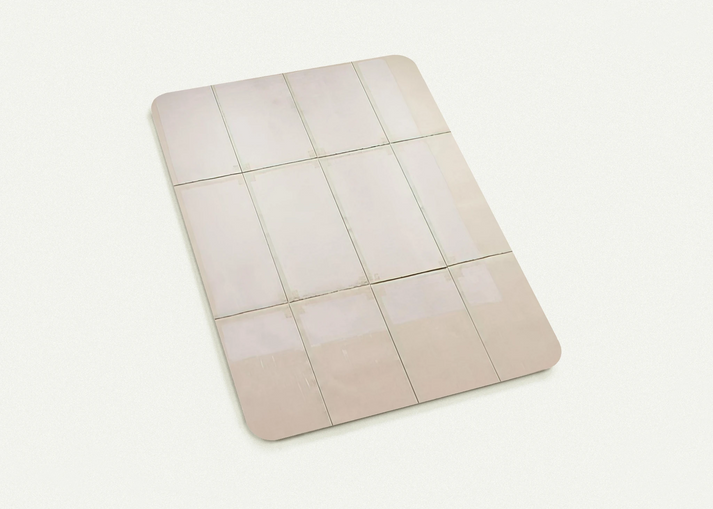
Classico 5 - 1968 By Robert Ryman Pack of 10 Post Cards | Robert Ryman Post Cards | A6 (10.5 x 14.8 cm) - 4.1 x 5.8 inches
Classico 5 - 1968 By Robert Ryman Pack of 10 Post Cards | Robert Ryman Post Cards | A6 (10.5 x 14.8 cm) - 4.1 x 5.8 inches
Couldn't load pickup availability
The Ethereal Precision of Robert Ryman’s Classico 5 (1968)
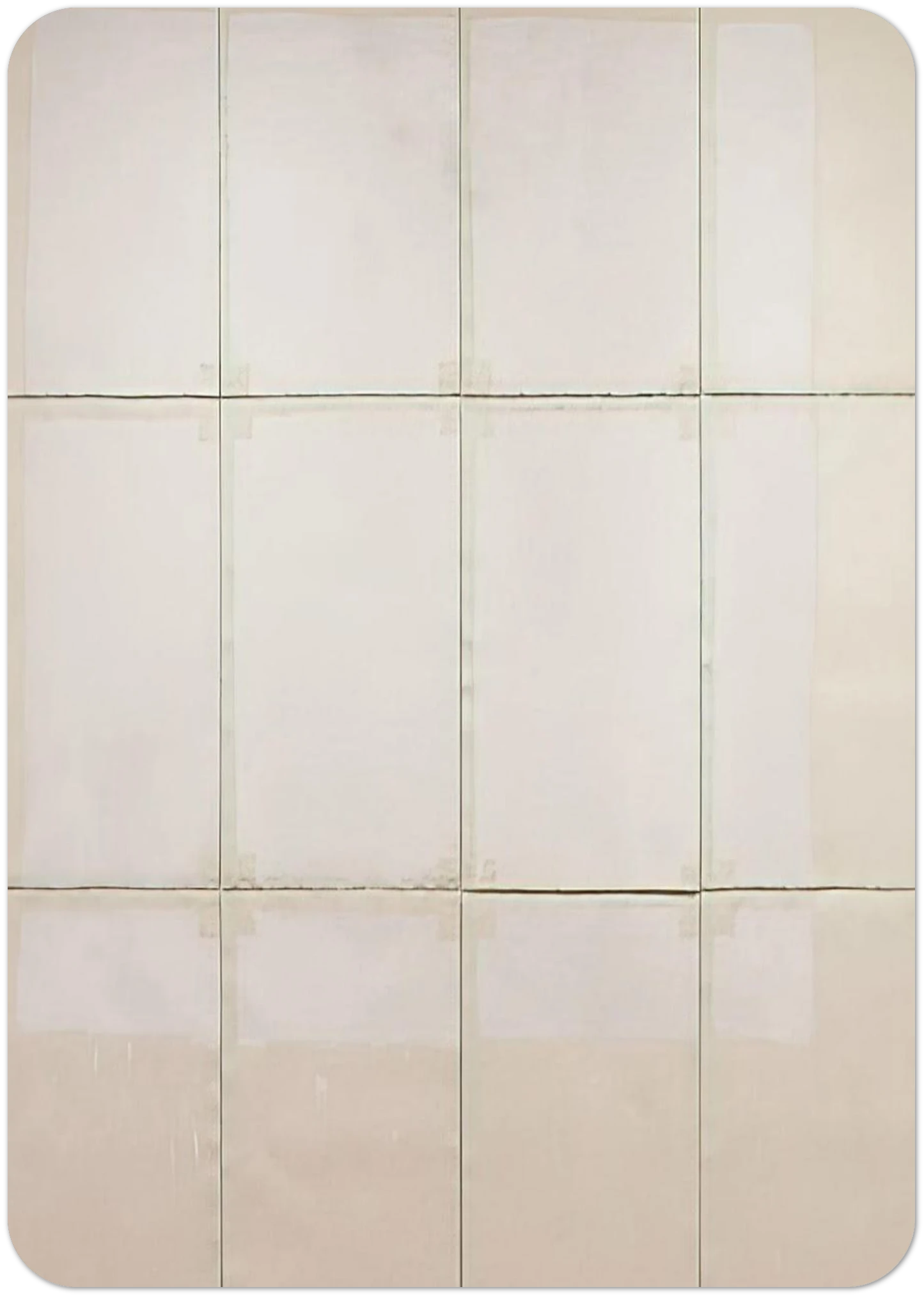
Experience the profound simplicity of Robert Ryman’s Classico 5 through this exquisite set of ten fine art postcards. Created in 1968, the Classico series is a cornerstone of American minimalism, named after the specific brand of Italian handmade paper Ryman utilized. In this work, Ryman masterfully navigates the boundary between the medium and the support, using white pigment to highlight the subtle textures of the surface and the architectural space it occupies. At RedKalion, we preserve this delicate balance through a premium reproduction process that respects the artist's original intent.
Museum-Quality Detail in Every Print
While standard commercial printing relies on 4-color CMYK processes, our Robert Ryman postcards are produced using sophisticated 12-color fine art printing technology. This ensures that every nuanced shade of white and every ghost of a brushstroke is captured with stunning depth and accuracy. Each card is printed on 200 gsm (80 lb), FSC-certified paper with a thickness of 0.26 mm, providing a substantial, tactile feel that honors the tactile nature of Ryman's minimalist philosophy.
Sophisticated Features for the Discerning Collector
- Smooth Matte Finish: A clean, glare-free display that mimics the non-reflective quality of museum wall placements.
- Archival Durability: Printed on acid-free, environmentally conscious paper that ensures your collection remains vibrant for years.
- Precise A6 Dimensions: Perfectly sized at 10.5 x 14.8 cm (4.1 x 5.8 inches) for framing, mailing, or personal curation.
- Sustainability Focused: RedKalion uses FSC-certified materials and print-on-demand practices to minimize environmental impact while maintaining elite standards.
Elevate your correspondence or curate a personal gallery with these archival-grade reproductions. By choosing RedKalion, you are investing in a piece of art history that captures the enduring legacy of 20th-century conceptualism with uncompromising technical fidelity.


Discover Unlimited Art Possibilities
At RedKalion, you can find virtually any artwork from any artist, available in a wide range of sizes to perfectly match your space.
If you didn’t find what you’re looking for, contact us at support@redkalion.com . We will source any artwork and produce it in any size and format you need, including art prints, posters, canvas, framed pieces, framed canvas, and more.
For dedicated art enthusiasts, we also offer handcrafted replicas of any artwork, carefully painted by highly skilled artists using traditional techniques.
For custom requests, contact us at support@redkalion.com .
What makes the printing quality of these postcards unique?
RedKalion utilizes 12-color fine art printing technology, which offers superior vibrancy and tonal depth compared to standard 4-color inkjet processes, ensuring Robert Ryman’s subtle white textures are captured accurately.
What type of paper is used for the Classico 5 postcards?
These postcards are printed on 200 gsm (80 lb) FSC-certified paper with a 0.26 mm thickness. The smooth matte finish ensures a glare-free, museum-quality feel for every piece in the 10-pack.
Are these postcards suitable for framing?
Yes. The archival-grade, acid-free paper and high-density pigments make these A6 prints ideal for small-format framing, allowing you to create a minimalist display that resists fading over time.
How does RedKalion ensure environmental sustainability?
We prioritize the planet by using FSC-certified paper from responsibly managed forests and employing a print-on-demand model, which significantly reduces waste and eliminates unnecessary inventory.
What are the shipping and fulfillment details?
Each pack of Classico 5 postcards is printed on demand to ensure perfect quality. Shipping times vary by location, but every order is handled with the care required for fine art reproductions.
What was the inspiration behind Robert Ryman's "Classico" series?
The series was named after the 'Classico' brand of Italian paper Ryman used. He sought to explore how white paint interacts with different supports, emphasizing the physical presence of the artwork itself.
Why did Robert Ryman primarily use white in his works?
Ryman used white not as a color, but as a tool to make other elements visible—such as brushstrokes, the texture of the paper, and the way light hits the surface.