RedKalion
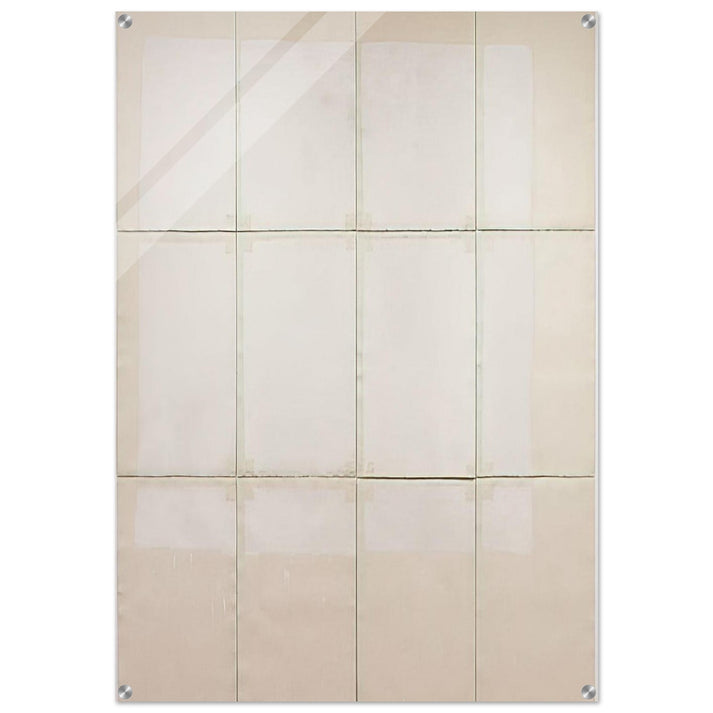
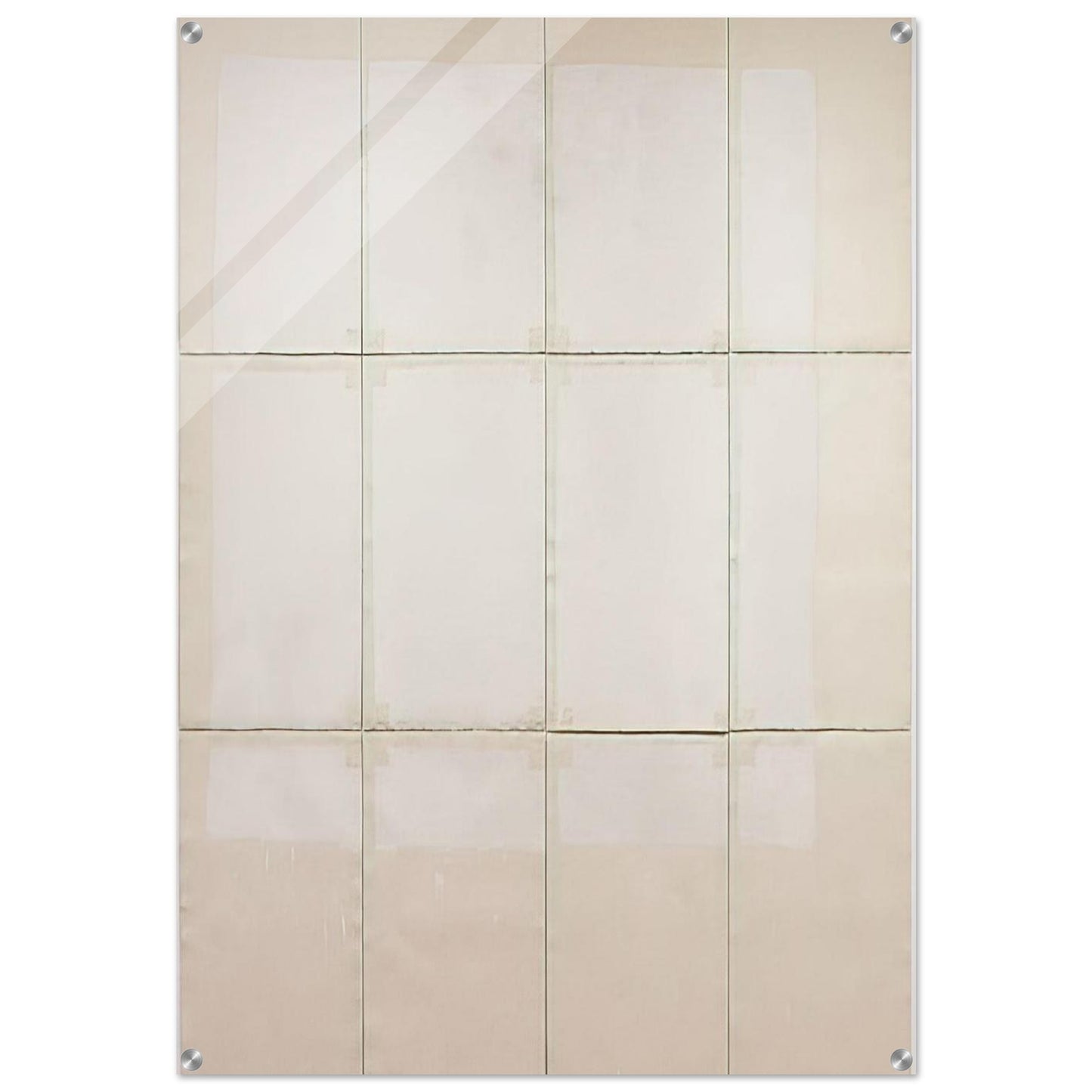
Classico 5 - 1968 - Robert Ryman Acrylic Print - 70x100 cm / 28x40″ inches | Robert Ryman Wall Art | Robert Ryman Prints
Classico 5 - 1968 - Robert Ryman Acrylic Print - 70x100 cm / 28x40″ inches | Robert Ryman Wall Art | Robert Ryman Prints
Couldn't load pickup availability
The Minimalist Sublime: Classico 5 by Robert Ryman
Experience the profound simplicity of Classico 5 (1968), a cornerstone of American Minimalism. This stunning Robert Ryman wall art reproduction captures the artist's career-long investigation into the materiality of paint and the support upon which it rests. Unlike traditional representational art, Ryman’s work invites the viewer to appreciate the subtle nuances of texture, light, and surface—a philosophy perfectly complemented by RedKalion’s premium acrylic medium.
A Masterpiece of Conceptual Depth
In 1968, Robert Ryman began his 'Classico' series, named after the specific brand of Italian handmade paper he utilized. This piece is not merely a study in white; it is a meticulous exploration of how light interacts with a surface. By choosing this Robert Ryman print, you are bringing a piece of art history into your space that emphasizes the process over the subject, creating an atmosphere of contemplative calm and intellectual rigor.
RedKalion’s Museum-Quality Execution
To honor Ryman's focus on the physical presence of the object, our museum-quality reproduction is crafted using 4mm (0.15") high-grade acrylic. This material provides a sleek, vibrant, and durable finish that enhances the depth of the minimalist composition. The 70x100 cm (28x40″) format offers a commanding presence, perfect for modern galleries or sophisticated residential interiors. Each piece features:
- Premium Material: 4mm thick acrylic for a crystalline, luminous depth.
- Contemporary Design: Precision-engineered straight-cut corners for a sharp, modern aesthetic.
- Integrated Hanging System: Includes professional-grade hardware with four pre-drilled holes (14mm from edges) and 15mm screw heads for a secure, floating installation.
- Archival Longevity: Designed to resist the elements while maintaining the subtle tonal variations of the original 1968 work.
Elevate your environment with an archival masterpiece that endures, curated by RedKalion—where the legacy of fine art meets the precision of modern craftsmanship.
Discover Unlimited Art Possibilities
At RedKalion, you can find virtually any artwork from any artist, available in a wide range of sizes to perfectly match your space.
If you didn’t find what you’re looking for, contact us at support@redkalion.com . We will source any artwork and produce it in any size and format you need, including art prints, posters, canvas, framed pieces, framed canvas, and more.
For dedicated art enthusiasts, we also offer handcrafted replicas of any artwork, carefully painted by highly skilled artists using traditional techniques.
For custom requests, contact us at support@redkalion.com .
What defines the quality of this Robert Ryman acrylic print?
RedKalion uses 4mm thick acrylic to ensure a vibrant, sleek finish. This museum-quality reproduction captures the subtle textures of Ryman's original 1968 work, offering superior depth and durability compared to standard paper prints.
How is the Classico 5 print mounted and displayed?
The print includes a specialized hanging kit with screws. Each corner features a pre-drilled 8mm hole, positioned 14mm from the edge, allowing for a professional, secure, and modern presentation.
What makes this archival reproduction suitable for modern interiors?
The combination of Robert Ryman’s minimalist aesthetic and our straight-cut acrylic design creates a sophisticated, architectural look that complements contemporary decor while maintaining archival-grade longevity.
How does RedKalion handle shipping and protection?
We utilize secure, art-safe packaging to ensure your Robert Ryman wall art arrives in pristine condition. The acrylic material itself is inherently durable, resisting moisture and UV degradation better than traditional glass.
Will the colors in Classico 5 fade over time?
No. By using archival-grade pigments and UV-resistant 4mm acrylic, RedKalion ensures that the subtle white tones and textures of Classico 5 remain vibrant and true to the original for decades.
What was Robert Ryman's intent with the Classico series?
Ryman intended to highlight the 'how' of painting rather than the 'what.' The Classico series explored the relationship between the paint, the brushstroke, and the specific texture of the Italian handmade paper substrate.
Why is white the dominant color in Ryman's 1968 work?
Ryman used white not as a color, but as a neutral medium to make other elements—like texture, light, and the physical edge of the artwork—more visible to the viewer's eye.