

RedKalion
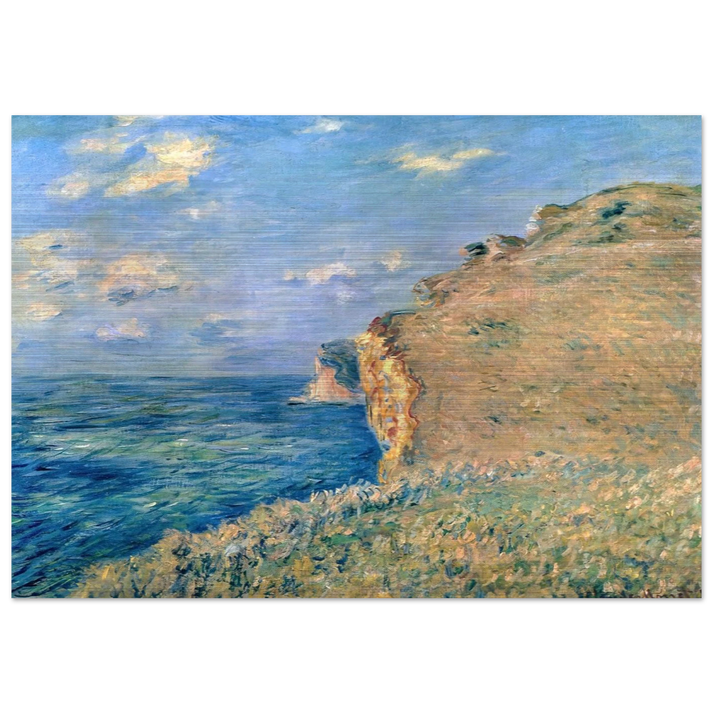
Cliff at Fecamp - claude monet Brushed Aluminum Print - 70x100 cm / 28x40 inches | claude monet Aluminum Print | claude monet Prints
Cliff at Fecamp - claude monet Brushed Aluminum Print - 70x100 cm / 28x40 inches | claude monet Aluminum Print | claude monet Prints
Couldn't load pickup availability
Experience the Luminosity of Monet’s Normandy Coast
Claude Monet’s 1881 masterpiece, Cliff at Fecamp, captures the raw, atmospheric beauty of the Alabaster Coast with the signature fluid brushstrokes that defined Impressionism. This iconic view of the towering limestone cliffs and the restless English Channel is not merely a landscape; it is a profound study of light, air, and the passage of time. To honor Monet's legacy, RedKalion presents this museum-quality reproduction on a medium that heightens its ethereal quality: brushed silver Aluminum DIBOND®.
A Modern Evolution of Fine Art Printing
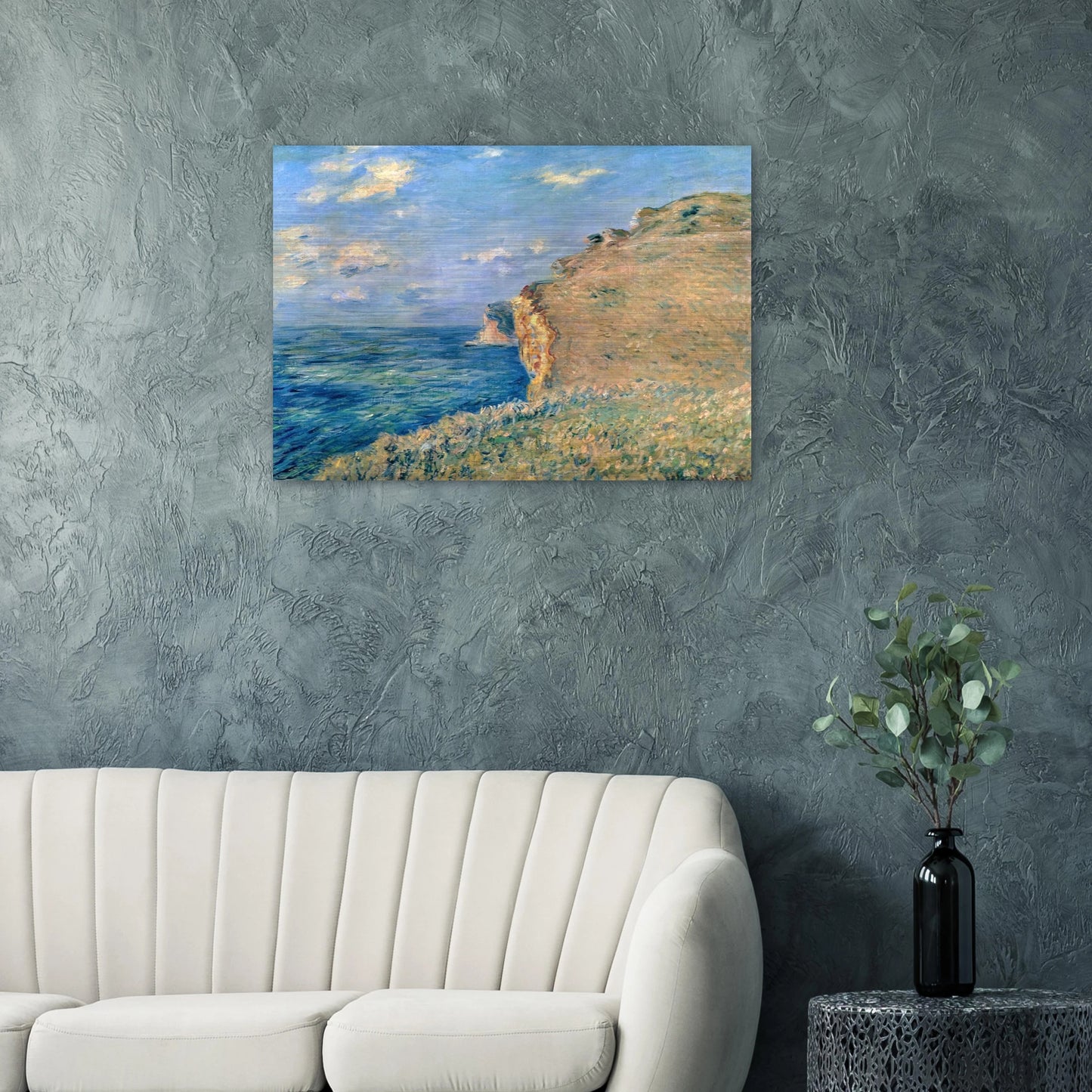
By marrying 19th-century vision with 21st-century material science, this Claude Monet Aluminum Print offers a visual depth traditional paper cannot achieve. The 3mm (0.12") thick DIBOND® panel features a horizontal grain that interacts with ambient light, creating a dynamic sense of movement within the waves and sky. Because we utilize a direct-to-substrate printing method, the white areas of Monet's palette are not printed; instead, they reveal the raw, brushed metallic surface of the aluminum, giving the clouds and sea spray a luminous, shimmering effect.
RedKalion Curated Specifications
- Museum-Quality Finish: A sophisticated matte, glare-free surface ensures the artwork remains the focal point in any lighting condition.
- Structural Integrity: The 3mm Aluminum DIBOND® core provides a rigid, lightweight, and warp-resistant base that ensures your investment endures for generations.
- Dynamic Texture: The horizontal brushed grain adds a contemporary, high-end metallic sheen that complements the energetic texture of Monet's brushwork.
- Installation Ready: Each print includes a specialized hanging kit tailored to your region, allowing for a seamless, floating presentation on your wall.
Elevate your interior with an archival masterpiece that bridges the gap between historical significance and modern industrial elegance. This is more than a fine art print; it is a curated experience designed for the discerning collector.


Discover Unlimited Art Possibilities
At RedKalion, you can find virtually any artwork from any artist, available in a wide range of sizes to perfectly match your space.
If you didn’t find what you’re looking for, contact us at support@redkalion.com . We will source any artwork and produce it in any size and format you need, including art prints, posters, canvas, framed pieces, framed canvas, and more.
For dedicated art enthusiasts, we also offer handcrafted replicas of any artwork, carefully painted by highly skilled artists using traditional techniques.
For custom requests, contact us at support@redkalion.com .
What visual effect does the brushed aluminum have on Monet's Cliff at Fecamp?
The brushed silver aluminum adds a metallic luminosity. Since white areas are left unprinted, the silver grain shows through, making the sea foam and highlights in the sky shimmer as you move around the piece.
What are the technical specifications of the Aluminum DIBOND® material?
The print is 3mm (0.12") thick, featuring a rigid composite core sandwiched between two aluminum sheets. It includes a horizontal grain and a matte, glare-free finish for a premium gallery look.
How is the artwork protected during shipping?
RedKalion uses reinforced, secure packaging tailored for large-format fine art. We ship from global hubs to minimize transit time and ensure your Claude Monet print arrives in pristine condition.
How long will this archival print last without fading?
Our direct-print technology uses UV-resistant inks on archival-grade aluminum. This ensures the colors remain vivid and the substrate remains stable for decades, making it a true heirloom-quality piece.
Is the mounting hardware included with the 70x100 cm print?
Yes, every RedKalion aluminum print comes with a specialized hanging kit. The specific type of hardware varies depending on the fulfillment country to ensure the safest and most aesthetic installation.
When and where did Claude Monet paint Cliff at Fecamp?
Monet painted this work in 1881 during a productive retreat to the Normandy coast. Fécamp provided him with dramatic heights and changing weather patterns that were central to his Impressionist exploration.
What artistic technique is most prominent in this specific work?
Monet utilized 'plein air' painting with rapid, broken brushstrokes to capture 'l'enveloppe'—the atmospheric light surrounding the objects—rather than the static details of the cliff itself.