

RedKalion
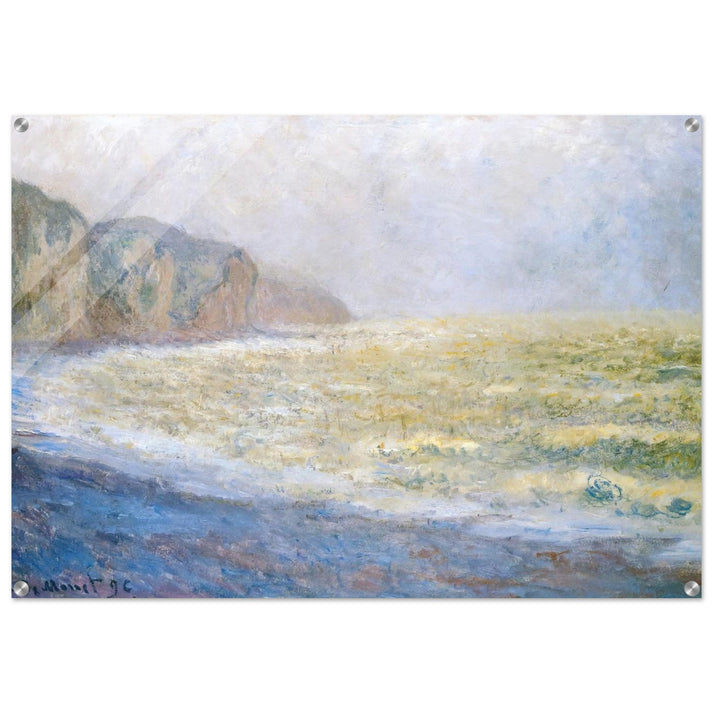
Cliff at Pourville - claude monet Acrylic Print - 70x100 cm / 28x40″ inches
Cliff at Pourville - claude monet Acrylic Print - 70x100 cm / 28x40″ inches
Couldn't load pickup availability
Experience the Luminosity of Claude Monet’s 'Cliff at Pourville'
Step into the radiant atmosphere of the Normandy coast with Claude Monet’s Cliff at Pourville. This 1882 masterpiece exemplifies the pinnacle of Impressionism, capturing the ephemeral dance of light across the rugged cliffs and the undulating sea. At RedKalion, we have meticulously reproduced this iconic work on a premium 4mm acrylic surface, ensuring every delicate brushstroke and chromatic nuance is preserved with museum-quality precision.
Mastery of Light and Texture
Monet visited Pourville during a period of profound creative exploration, fascinated by the coastal topography and the ever-changing weather patterns of northern France. His technique—characterized by rapid, rhythmic application of color—transforms the static landscape into a living, breathing entity. Our acrylic art prints enhance this effect, using the depth of the material to provide a vibrant, three-dimensional luminosity that paper simply cannot match.
Exceptional Craftsmanship for Modern Interiors
Designed for the discerning collector, this 70x100 cm (28x40″) reproduction offers a sleek, contemporary aesthetic. Each piece is crafted to endure as an archival masterpiece:
- 4mm (0.15") High-Grade Acrylic: Provides a shatter-resistant, high-gloss finish that intensifies depth and color saturation for a sleek, vibrant look.
- Precision Straight-Cut Corners: Offers a clean, minimalist silhouette suitable for modern architectural spaces.
- Integrated Hanging Solution: Every print arrives with a comprehensive hanging kit, including screws and pre-drilled holes at each corner (14mm from the edge) for a professional finish.
- Optimal Presentation: Transparent backgrounds default to white, ensuring the intensity of Monet's palette remains true to the original vision.
Elevate your space with an archival masterpiece that endures. This museum-quality reproduction from RedKalion is more than decor; it is an investment in the legacy of Impressionism.


Discover Unlimited Art Possibilities
At RedKalion, you can find virtually any artwork from any artist, available in a wide range of sizes to perfectly match your space.
If you didn’t find what you’re looking for, contact us at support@redkalion.com . We will source any artwork and produce it in any size and format you need, including art prints, posters, canvas, framed pieces, framed canvas, and more.
For dedicated art enthusiasts, we also offer handcrafted replicas of any artwork, carefully painted by highly skilled artists using traditional techniques.
For custom requests, contact us at support@redkalion.com .
What materials are used for this fine art print?
We use 4mm (0.15") high-grade acrylic, which provides a sleek, vibrant, and durable finish. This material enhances the depth of Monet's brushwork, creating a museum-quality aesthetic with straight-cut corners for a modern appearance.
How is the artwork prepared for hanging?
Your print includes a professional hanging kit with screws. Each corner features a pre-drilled 8mm hole located 14mm from the edge, designed to fit the included 15mm screw heads for a secure and elegant display.
What is the expected lifespan of an acrylic print?
Our acrylic prints are archival-grade and designed for longevity. The 4mm acrylic protects the vibrant pigments from environmental factors, ensuring your museum-quality reproduction remains a centerpiece in your collection for decades.
How is the print protected during shipping?
At RedKalion, we use specialized, high-durability packaging to ensure your fine art print arrives in pristine condition. Each acrylic piece is securely cushioned to prevent scratches or impact damage during transit.
How should I clean and maintain my Claude Monet print?
To maintain the high-gloss finish, simply wipe the surface gently with a soft, damp microfiber cloth. Avoid using harsh chemicals or abrasive materials to preserve the integrity of the 4mm acrylic surface.
What is the historical context of Monet’s Pourville series?
Painted in 1882, this series marks Monet's mastery of the 'en plein air' technique. He sought to capture the 'envelope' of light—the atmospheric conditions that unify the landscape—making it a foundational work of Impressionist history.
Why is the 70x100 cm acrylic format ideal for this piece?
The 70x100 cm (28x40″) scale allows the sweeping vistas of the Normandy coast to command the room. The acrylic medium specifically amplifies the oceanic blues and sun-drenched greens characteristic of Monet's Pourville palette.