

RedKalion
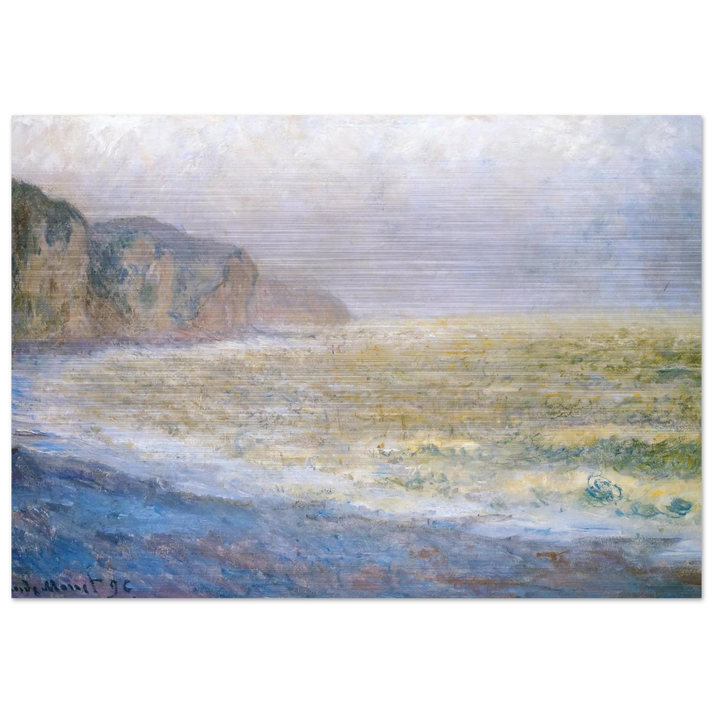
Cliff at Pourville - claude monet Brushed Aluminum Print - 70x100 cm / 28x40 inches | claude monet Aluminum Print | claude monet Prints
Cliff at Pourville - claude monet Brushed Aluminum Print - 70x100 cm / 28x40 inches | claude monet Aluminum Print | claude monet Prints
Couldn't load pickup availability
Immerse Yourself in Monet’s Normandy: Cliff at Pourville
Experience the ephemeral beauty of the French coastline through Claude Monet’s 1882 masterpiece, Cliff at Pourville. This iconic work of Impressionism captures the dramatic limestone cliffs and the restless energy of the English Channel. Monet, the master of light and atmosphere, frequented the village of Pourville to document the shifting hues of the sea and sky, translating the coastal breeze into a symphony of rhythmic brushstrokes.
The RedKalion Archival Standard: Brushed Aluminum DIBOND®
At RedKalion, we elevate fine art reproductions by marrying classical aesthetics with cutting-edge materials. Our museum-quality reproduction of Cliff at Pourville is printed directly onto Brushed Silver Aluminum DIBOND®. This sophisticated medium features a unique horizontal grain that adds a dynamic, metallic dimension to Monet’s water and sky. The 3mm (0.12") thickness provides a rigid, durable base that ensures your artwork remains a focal point for decades.
A Masterpiece Reimagined with Modern Sophistication
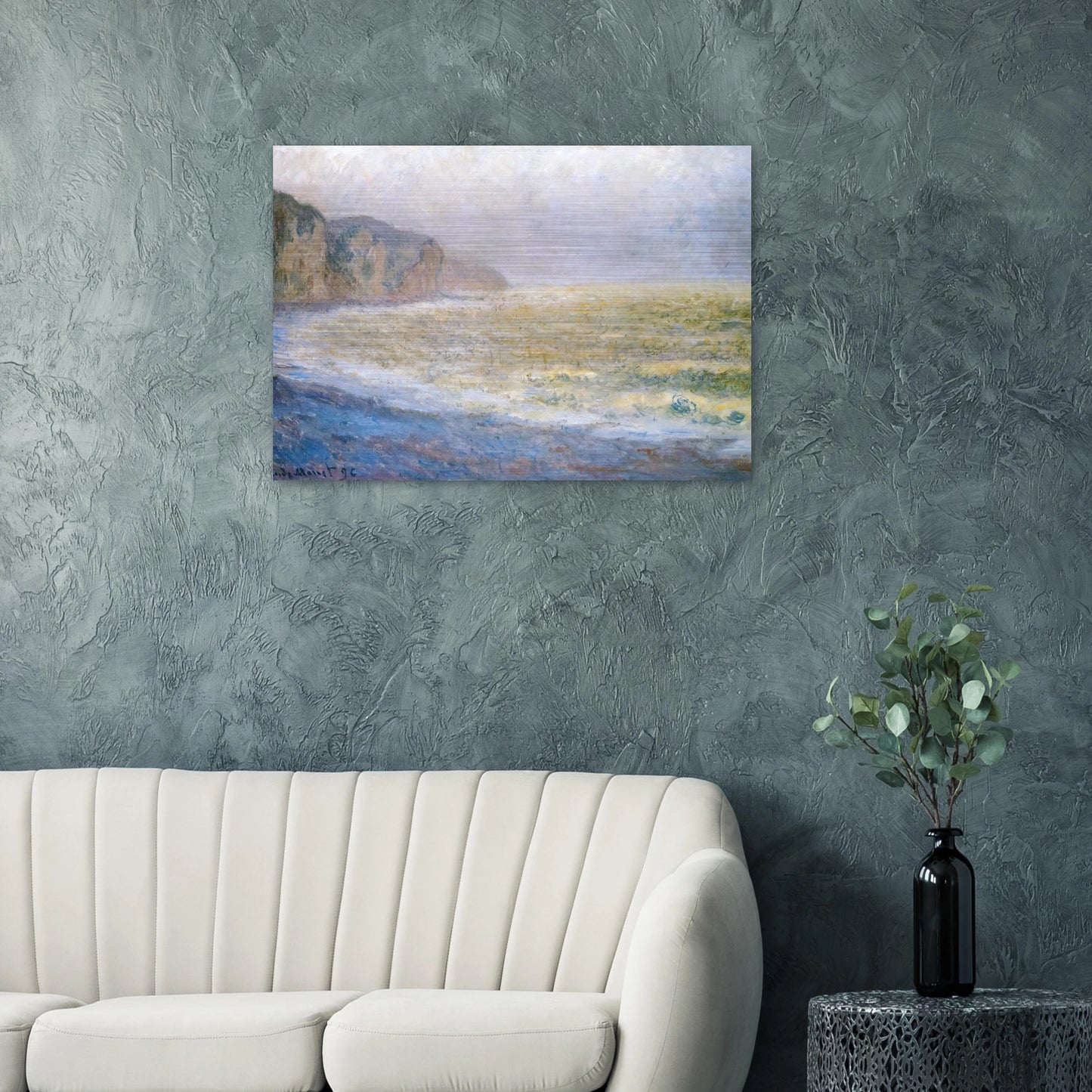
This aluminum print offers a distinct visual advantage for Impressionist works. The matte, glare-free finish allows the viewer to appreciate every detail without distracting reflections, even in well-lit rooms. Notably, any white or light-toned areas in the original painting are not printed; instead, they reveal the raw, brushed silver surface of the aluminum, creating a shimmering effect that mimics the natural sparkle of the ocean. Each piece comes equipped with a tailored hanging kit, allowing for an effortless transition from our gallery to your wall.
- Artist: Claude Monet (1840-1926)
- Material: Premium 3mm Aluminum DIBOND® with a brushed silver finish.
- Durability: Water-resistant, UV-resistant, and archival-grade materials.
- Visual Effect: Metallic sheen in highlights with a sophisticated matte texture.


Discover Unlimited Art Possibilities
At RedKalion, you can find virtually any artwork from any artist, available in a wide range of sizes to perfectly match your space.
If you didn’t find what you’re looking for, contact us at support@redkalion.com . We will source any artwork and produce it in any size and format you need, including art prints, posters, canvas, framed pieces, framed canvas, and more.
For dedicated art enthusiasts, we also offer handcrafted replicas of any artwork, carefully painted by highly skilled artists using traditional techniques.
For custom requests, contact us at support@redkalion.com .
What materials are used for this Claude Monet fine art print?
This print is crafted on 3mm Brushed Silver Aluminum DIBOND®, offering a rigid and durable base. The horizontal grain provides a metallic finish that enhances the light-reflective qualities of Monet’s original Impressionist brushwork.
How does the brushed silver effect impact the artwork?
The brushed silver effect is visible in the white or unprinted areas of the design. This creates a sophisticated, dynamic metallic sheen that catches the light, making the sea and sky appear more vibrant and textured.
Is the print ready to hang upon arrival?
Yes, every RedKalion aluminum print includes a high-quality hanging kit. The specific hardware varies slightly by country to ensure the most secure and aesthetically pleasing installation for your specific region.
Will the colors fade over time in sunlight?
No. We use direct-to-substrate printing techniques with UV-resistant inks. Combined with the matte, glare-free finish, your artwork is protected against fading and environmental wear, ensuring archival longevity.
Is this aluminum print suitable for high-humidity environments?
Absolutely. Aluminum DIBOND® is highly resistant to moisture and temperature fluctuations, making it an ideal choice for sophisticated kitchens, bathrooms, or temperature-controlled gallery spaces.
When and where did Claude Monet paint Cliff at Pourville?
Monet painted this series in 1882 during a productive stay in the small fishing village of Pourville-sur-Mer in Normandy, France, where he was captivated by the coastal light.
What is the historical significance of Monet’s Pourville series?
The Pourville series highlights Monet’s development of the 'series' concept, where he observed the same landscape at different times of day to master the depiction of atmospheric perspective and natural illumination.