RedKalion
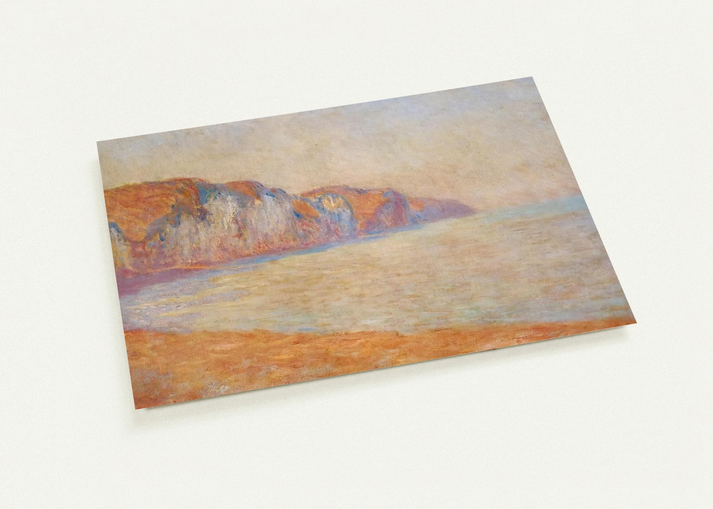
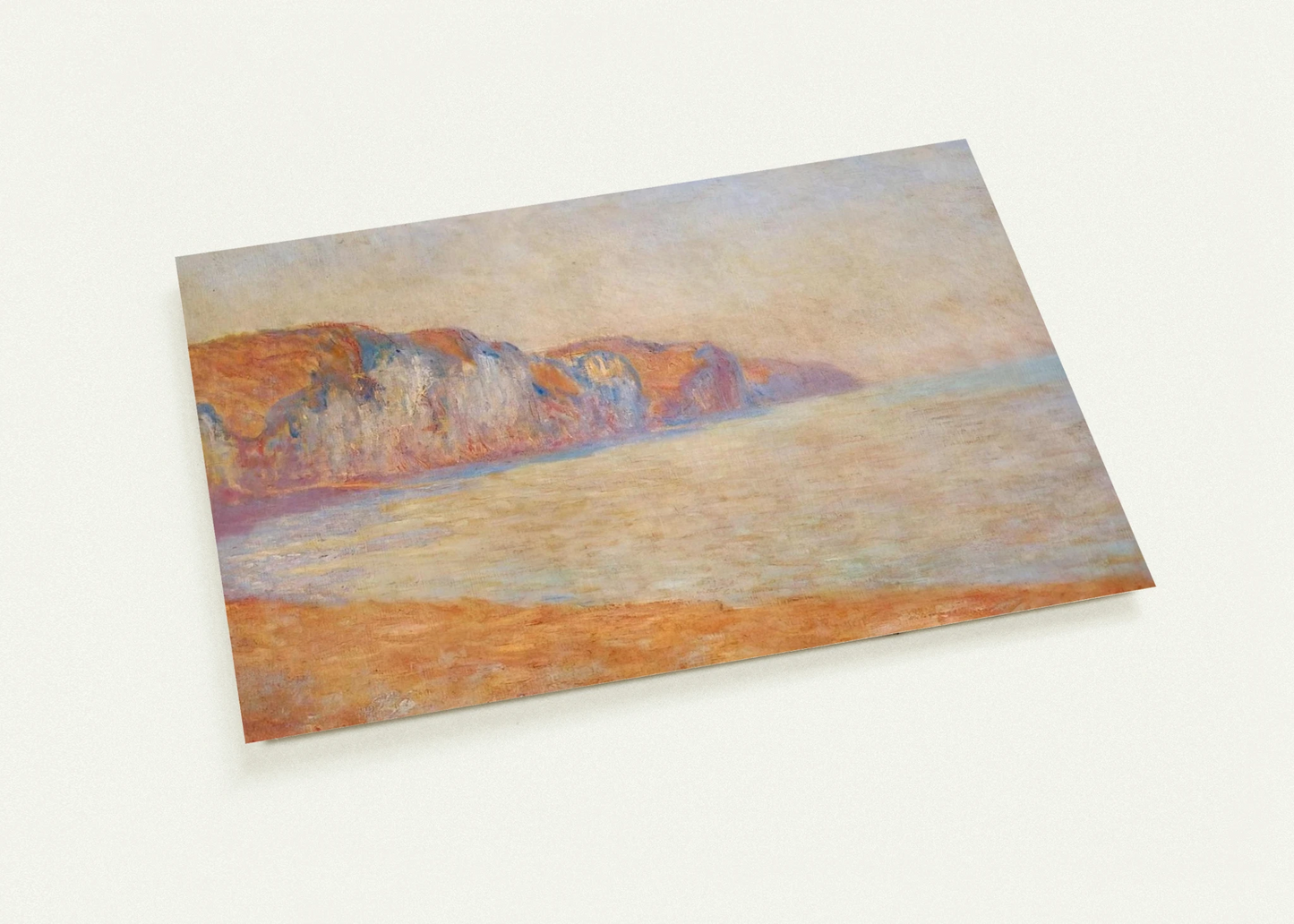
Cliff at Pourville in the Morning By claude monet Pack of 10 Post Cards | claude monet Post Cards | A6 (10.5 x 14.8 cm) - 4.1 x 5.8 inches
Cliff at Pourville in the Morning By claude monet Pack of 10 Post Cards | claude monet Post Cards | A6 (10.5 x 14.8 cm) - 4.1 x 5.8 inches
Couldn't load pickup availability
The Luminous Coastline: Claude Monet’s Cliff at Pourville in the Morning
Experience the ethereal beauty of the Normandy coast through the eyes of the master Impressionist with this exquisite pack of 10 Cliff at Pourville in the Morning postcards. Painted in 1882, this work captures Claude Monet’s profound fascination with the interplay of light and water. The soft, pastel hues of the morning mist and the rhythmic textures of the sea are rendered with a delicacy that defined the Impressionist movement.
At RedKalion, we believe that fine art should be felt as much as seen. These A6 postcards are not merely reproductions; they are museum-quality prints designed for the discerning collector. Utilizing a sophisticated 12-color fine art printing technology, we achieve a depth of color and vibrancy that traditional 4-color inkjet processes simply cannot replicate. Each stroke of Monet’s brush is preserved with breathtaking accuracy.
Premium Material & Ethical Craftsmanship
Our commitment to excellence extends to the physical touch of every piece. These postcards feature a smooth matte finish for a glare-free aesthetic, allowing the subtle nuances of the morning light to shine without distraction. Printed on substantial 200 gsm (80 lb) FSC-certified paper, these cards offer a premium weight and durability that ensures they remain cherished keepsakes or elegant displays.
- Artist: Claude Monet (1840–1926)
- Authentic Reproduction: 12-color archival printing for stunning depth.
- Sustainability: Environmentally conscious, FSC-certified paper.
- Specifications: 200 gsm thickness (0.26 mm) with a smooth matte finish.
- Versatility: Perfect for personal correspondence, framing, or as a sophisticated gift.
Elevate your personal collection with an archival masterpiece that endures. RedKalion brings the gallery experience to your fingertips, ensuring that the legacy of Claude Monet continues to inspire in every detail.
Discover Unlimited Art Possibilities
At RedKalion, you can find virtually any artwork from any artist, available in a wide range of sizes to perfectly match your space.
If you didn’t find what you’re looking for, contact us at support@redkalion.com . We will source any artwork and produce it in any size and format you need, including art prints, posters, canvas, framed pieces, framed canvas, and more.
For dedicated art enthusiasts, we also offer handcrafted replicas of any artwork, carefully painted by highly skilled artists using traditional techniques.
For custom requests, contact us at support@redkalion.com .
What printing technology is used for these postcards?
We use 12-color fine art printing technology to ensure vivid, accurate colors and stunning depth, far surpassing standard inkjet prints.
What are the physical specifications of the paper?
Each card is printed on 200 gsm (80 lb) paper with a 0.26 mm thickness and a smooth, glare-free matte finish.
Is the paper used for these prints environmentally friendly?
Yes, all our postcards are printed on environmentally conscious, FSC-certified paper, supporting sustainable forest management.
How does RedKalion ensure the longevity of the print?
By utilizing archival-grade materials and 12-color pigment-based inks, our reproductions are designed to resist fading and maintain their vibrancy over time.
How long does it take for my order to be processed?
Every order is printed on demand with no minimums, ensuring high quality. Orders typically ship within 2-4 business days.
What is the historical significance of the Pourville cliffs in Monet's work?
The cliffs at Pourville were a recurring motif for Monet in 1882, allowing him to study how changing atmospheric conditions transformed the landscape.
Why did Monet choose to paint this scene in the morning light?
Monet was obsessed with the fleeting quality of light; the morning hour offered soft, diffused colors that challenged traditional landscape palettes.