

RedKalion
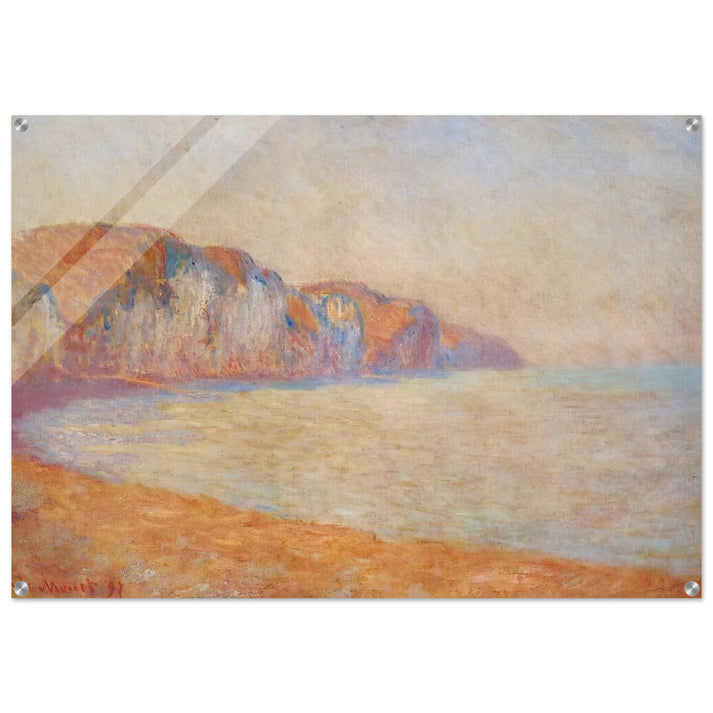
Cliff at Pourville in the Morning - claude monet Acrylic Print - 70x100 cm / 28x40″ inches
Cliff at Pourville in the Morning - claude monet Acrylic Print - 70x100 cm / 28x40″ inches
Couldn't load pickup availability
Claude Monet’s Cliff at Pourville in the Morning: A Masterpiece of Light and Ether
Experience the ethereal beauty of Cliff at Pourville in the Morning, a seminal work by the father of Impressionism, Claude Monet. Painted in 1882 during one of his most productive retreats to the Normandy coast, this piece captures the transient interplay between the soft morning light and the rugged cliffs of Pourville. At RedKalion, we have meticulously reproduced this work as a museum-quality fine art print on premium acrylic, ensuring every brushstroke and subtle color shift is preserved with absolute clarity.
Monet’s technique in this series highlights his dedication to en plein air painting. By observing the landscape at a specific hour, he masterfully utilized a palette of soft blues, pinks, and greens to evoke the crispness of the sea air. This acrylic print brings a modern sophistication to a classical masterpiece, offering a vibrant depth and luminous quality that standard canvas cannot achieve. The 70x100 cm (28x40″) format provides a commanding presence, perfect for sophisticated interiors.
Premium Craftsmanship and Specifications
Our commitment to excellence ensures that your investment in art is matched by the highest material standards. This premium edition features:
- 4mm (0.15") Thick Acrylic: Provides a sleek, glass-like finish that enhances color saturation and creates a stunning depth effect.
- Modern Design: Features professional straight-cut corners for a contemporary, minimalist gallery look.
- Integrated Hanging Solution: Each print includes high-quality hardware, including screws. Screw holes are positioned 14mm (0.55") from the edge, with an 8mm (0.31") diameter hole and a 15mm (0.6") screw head for a secure, floating presentation.
- Vibrant Fidelity: Transparent backgrounds default to white, ensuring the subtle nuances of Monet's morning light remain vivid and true to the original oil painting.
Elevate your space with an archival-grade reproduction that transforms any room into a private gallery. This isn't just a print; it is a durable, modern heirloom designed to endure for generations.


Discover Unlimited Art Possibilities
At RedKalion, you can find virtually any artwork from any artist, available in a wide range of sizes to perfectly match your space.
If you didn’t find what you’re looking for, contact us at support@redkalion.com . We will source any artwork and produce it in any size and format you need, including art prints, posters, canvas, framed pieces, framed canvas, and more.
For dedicated art enthusiasts, we also offer handcrafted replicas of any artwork, carefully painted by highly skilled artists using traditional techniques.
For custom requests, contact us at support@redkalion.com .
What makes the 4mm acrylic finish unique for this Monet print?
The 4mm acrylic finish offers a depth and brilliance that traditional glass or canvas lacks. It enhances Claude Monet's impressionist color palette, making the morning light appear luminous and three-dimensional while providing a sleek, durable surface for your fine art print.
Is the mounting hardware included with the Cliff at Pourville print?
Yes, your order includes a comprehensive hanging kit. The print features pre-drilled holes at each corner and comes with specialized screws and hardware designed to support the weight of the 70x100 cm acrylic panel securely.
How does RedKalion ensure the longevity of this archival-grade reproduction?
RedKalion utilizes archival-grade inks and high-quality 4mm acrylic to protect against UV fading and environmental moisture. This ensures that your museum-quality reproduction remains vibrant and clear, preserving Monet’s masterpiece for years to come.
What are the shipping logistics for a 70x100 cm acrylic print?
Each 70x100 cm (28x40″) print is meticulously packaged in protective layers to prevent scratches or cracks. We partner with specialized couriers to ensure the safe delivery of your oversized acrylic fine art to your doorstep.
Does the background transparency affect the final look?
To ensure the highest visual fidelity, any transparent areas in the image default to a solid white background. This maintains the integrity of the color balance in Monet’s "Cliff at Pourville in the Morning" for optimal presentation.
When did Claude Monet paint Cliff at Pourville in the Morning?
Claude Monet painted this work in 1882. It belongs to a series of landscapes he created while staying in the fishing village of Pourville, where he explored the changing effects of light on the sea and cliffs.
What artistic technique defines this Impressionist masterpiece?
This piece is defined by Monet’s use of short, broken brushstrokes and a bright color palette to capture the atmospheric perspective. It exemplifies his ability to paint the "envelope" of light surrounding a subject rather than just the subject itself.