

RedKalion
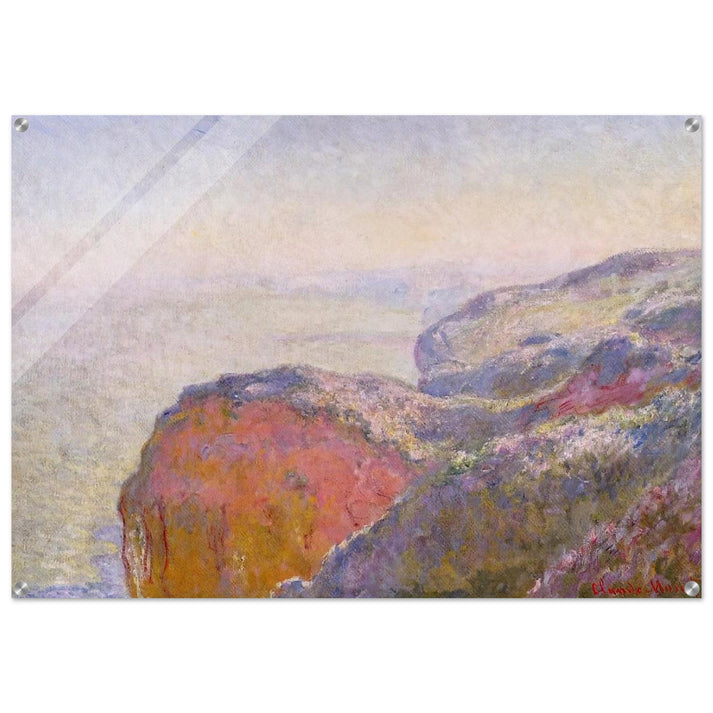
Cliff near Dieppe in the Morning - claude monet Acrylic Print - 70x100 cm / 28x40″ inches
Cliff near Dieppe in the Morning - claude monet Acrylic Print - 70x100 cm / 28x40″ inches
Couldn't load pickup availability
Embrace the Luminous Dawn: Monet’s Cliff near Dieppe in the Morning
Step into the serene atmosphere of the Normandy coast with Claude Monet’s Cliff near Dieppe in the Morning. This iconic 1897 Impressionist masterpiece captures the ethereal quality of coastal light before the sun fully ascends. Monet’s fascination with the interplay between the sea, the rugged chalk cliffs, and the shifting atmosphere is rendered here with his signature 'broken color' technique, allowing colors to blend optically for the viewer.
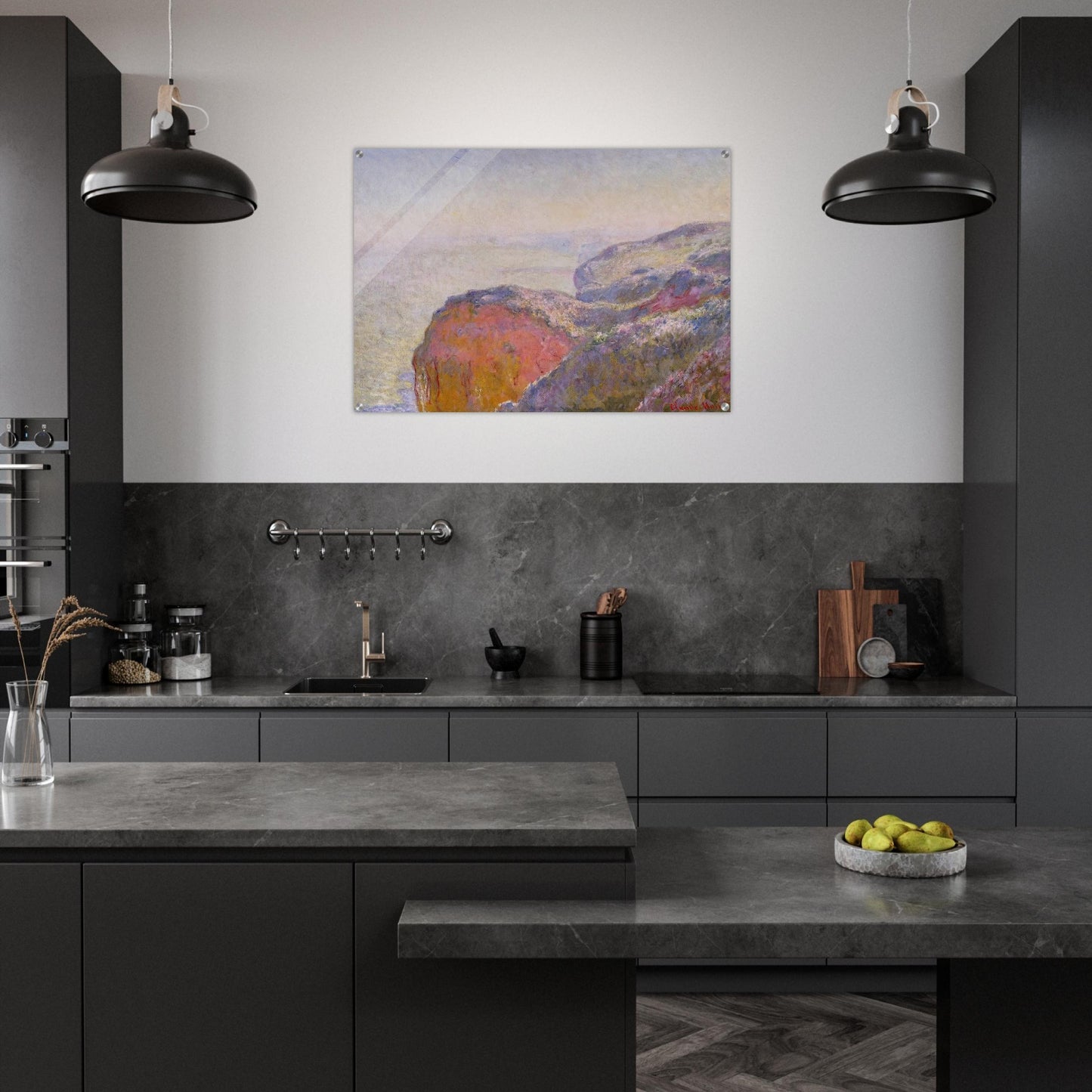
At RedKalion, we bridge the gap between historical mastery and contemporary design. This museum-quality reproduction is meticulously crafted on 4mm (0.15") premium acrylic. Unlike traditional canvas, the acrylic medium enhances the depth and vibrancy of Monet’s soft blues, pale pinks, and sea-foam greens, creating a sophisticated visual depth that brings the cliffside to life in your living space.
- Expertly Curated: A faithful representation of the 1897 original, ensuring every brushstroke and color transition is preserved.
- Premium Acrylic Build: The 4mm thickness offers a sleek, modern finish with professional straight-cut corners.
- Vibrant Clarity: Transparent backgrounds default to white, ensuring the subtle morning hues of the Normandy coast remain vivid and opaque.
- Secure Installation: Includes a comprehensive hanging kit with hardware, featuring 15mm (0.6") screw heads and precision-drilled holes for a stable display.
By selecting this archival-grade acrylic print, you aren't just decorating a wall; you are curating an environment. Elevate your space with a piece that reflects the pinnacle of 19th-century landscape painting, delivered with the durability and brilliance of modern material science.


Discover Unlimited Art Possibilities
At RedKalion, you can find virtually any artwork from any artist, available in a wide range of sizes to perfectly match your space.
If you didn’t find what you’re looking for, contact us at support@redkalion.com . We will source any artwork and produce it in any size and format you need, including art prints, posters, canvas, framed pieces, framed canvas, and more.
For dedicated art enthusiasts, we also offer handcrafted replicas of any artwork, carefully painted by highly skilled artists using traditional techniques.
For custom requests, contact us at support@redkalion.com .
What makes this Monet print unique?
This Claude Monet fine art print captures the delicate morning light of the Normandy coast. RedKalion's high-resolution reproduction ensures that the subtle nuances of Monet’s brushwork and atmospheric depth are preserved with stunning clarity.
What material is used for the print?
We use 4mm (0.15") premium acrylic for a sleek, vibrant finish. This material enhances color depth and provides a durable, contemporary look that outperforms traditional glass or canvas prints.
How is the acrylic print shipped?
Each print is carefully secured in protective packaging to prevent scratches or cracks. We ship your museum-quality reproduction with a complete hanging kit, including screws and hardware, for a seamless installation.
Is this print archival-grade?
Yes. RedKalion uses archival-grade materials and UV-resistant printing techniques. This ensures your Cliff near Dieppe in the Morning print maintains its color integrity and resists fading for decades.
How do I hang the Cliff near Dieppe acrylic print?
The print features pre-drilled holes 14mm from each corner. We include 15mm screw heads and all necessary hardware to ensure a secure, sophisticated, and perfectly level presentation on your wall.
When did Claude Monet paint Cliff near Dieppe in the Morning?
Monet painted this work in 1897. It was part of a significant series where he explored the cliffs of Dieppe and Pourville, focusing on the transformative power of light at different times of day.
What artistic movement does this piece represent?
This work is a quintessential example of French Impressionism. It emphasizes the artist's immediate sensory perception of nature, specifically the transient effects of light and mist on the rugged coastal landscape.