

RedKalion
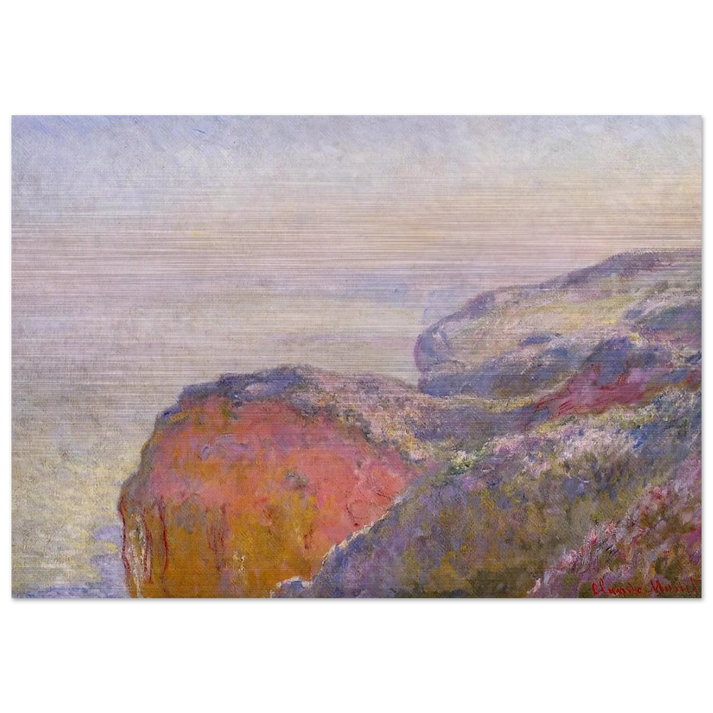
Cliff near Dieppe in the Morning - claude monet Brushed Aluminum Print - 70x100 cm / 28x40 inches | claude monet Aluminum Print | claude monet Prints
Cliff near Dieppe in the Morning - claude monet Brushed Aluminum Print - 70x100 cm / 28x40 inches | claude monet Aluminum Print | claude monet Prints
Couldn't load pickup availability
Elevate Your Space with Claude Monet’s 'Cliff near Dieppe in the Morning'
Experience the ethereal beauty of the Normandy coast through the lens of Impressionist master Claude Monet. This museum-quality reproduction of 'Cliff near Dieppe in the Morning' captures the transient nature of light and atmosphere that defined Monet’s 1897 series. Originally painted during a period of intense creative focus, this piece exemplifies the artist's ability to render the soft, hazy morning light as it dances across the chalky cliffs and the shimmering English Channel.
The RedKalion Brushed Aluminum Advantage
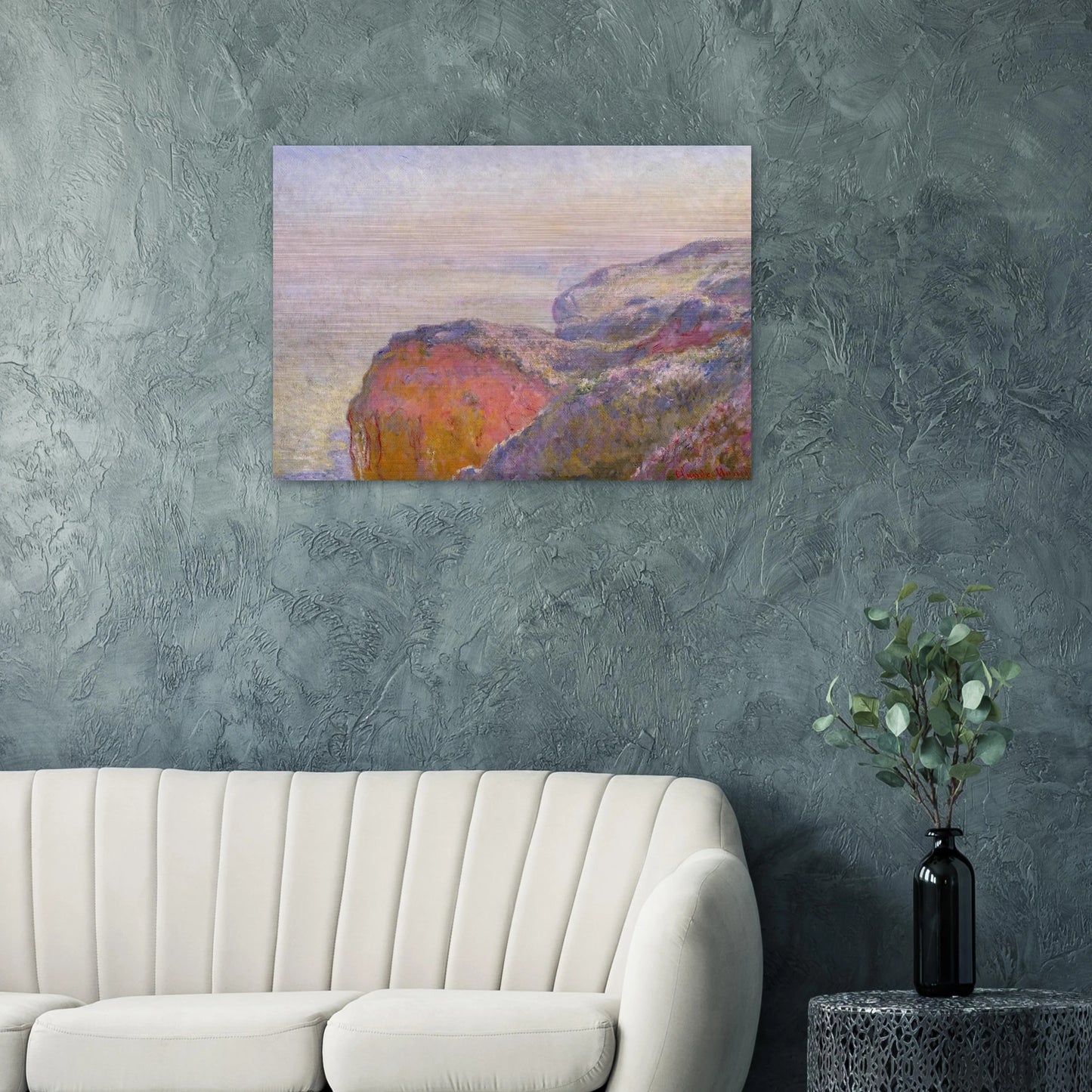
At RedKalion, we bridge the gap between historical fine art and contemporary industrial design. This 70x100 cm (28x40 inches) print is not a standard paper reproduction; it is a sophisticated brushed aluminum DIBOND® masterpiece. Utilizing a 3mm (0.12") rigid base, the artwork features a unique horizontal grain that adds a dynamic, metallic life to Monet’s brushstrokes. Where the original painting features white light, our direct printing process allows the brushed silver metallic effect to shine through, creating a piece that subtly shifts in appearance as you move throughout the room.
Archival Excellence and Technical Precision
- Direct Print on AluDibond: We utilize advanced UV-cured inks to ensure vivid colors and a glare-free, matte finish that preserves the integrity of Monet’s palette.
- Durable & Rigid: The 3mm thickness provides a modern, sleek profile that remains perfectly flat over time.
- Dynamic Texture: The brushed silver finish is particularly striking for Impressionist works, where the texture of the aluminum mimics the vibration of light.
- Ready to Exhibit: Each print includes a specialized hanging kit tailored to your region, ensuring a seamless, professional installation.
By choosing this Claude Monet aluminum print, you are investing in an archival-grade reproduction that honors the legacy of the Impressionist movement while embracing the longevity of modern materials. This is more than a wall covering; it is an enduring tribute to the 19th-century avant-garde, curated specifically for the discerning collector.


Discover Unlimited Art Possibilities
At RedKalion, you can find virtually any artwork from any artist, available in a wide range of sizes to perfectly match your space.
If you didn’t find what you’re looking for, contact us at support@redkalion.com . We will source any artwork and produce it in any size and format you need, including art prints, posters, canvas, framed pieces, framed canvas, and more.
For dedicated art enthusiasts, we also offer handcrafted replicas of any artwork, carefully painted by highly skilled artists using traditional techniques.
For custom requests, contact us at support@redkalion.com .
What makes the 'Cliff near Dieppe in the Morning' aluminum print unique?
Unlike traditional prints, this piece uses brushed silver Aluminum DIBOND®. The horizontal grain interacts with light, allowing the unprinted white areas of Monet’s composition to reveal a stunning metallic silver effect, adding depth and a contemporary edge to the Impressionist masterpiece.
What are the dimensions and thickness of this Monet reproduction?
This specific fine art print measures 70x100 cm (approximately 28x40 inches) and is constructed on a 3mm (0.12") thick aluminum composite base, providing a high-strength, rigid, and lightweight finish that resists warping over time.
How does the brushed silver finish affect the colors?
The direct-to-metal printing ensures vivid, saturated colors with a sophisticated matte finish. This eliminates glare, making it ideal for rooms with high natural light, while the brushed texture adds a shimmering, holographic quality to the highlights.
Is the hanging hardware included with my RedKalion print?
Yes, every museum-quality print from RedKalion comes with a high-quality hanging kit included. The specific hardware varies based on your fulfillment location to ensure the most secure and aesthetic mounting for your region.
How do I clean and maintain my aluminum art?
Maintenance is effortless. Use a soft, dry microfiber cloth to remove dust. The UV-resistant inks and durable aluminum surface ensure that the print remains archival-grade and vibrant for decades without the need for protective glass.
Why did Monet choose Dieppe for this specific series?
Monet returned to the Normandy coast in 1897 to capture the dramatic limestone cliffs near Dieppe. He was fascinated by how the verticality of the cliffs and the vastness of the sea provided a perfect canvas for studying atmospheric haze.
What is the significance of the 'morning' light in this composition?
Monet often worked on multiple canvases simultaneously to capture fleeting temporal effects. The morning light in this Dieppe series represents a soft, cool palette, focusing on the diffusion of light through sea mist rather than harsh shadows.