RedKalion
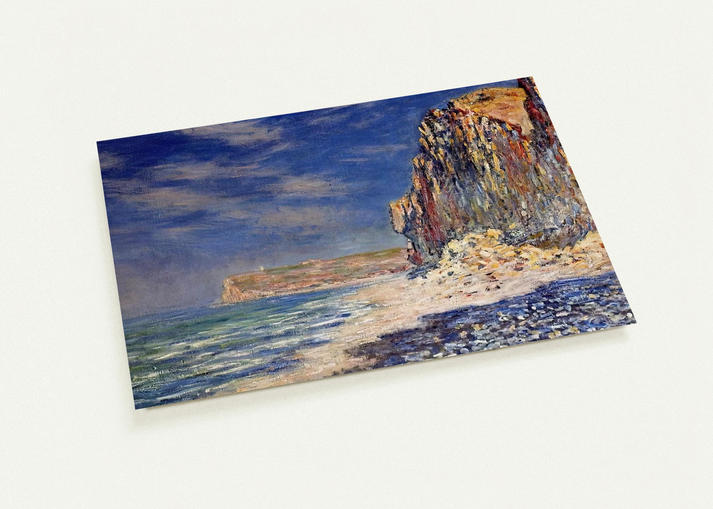
Cliff near Fecamp By claude monet Pack of 10 Post Cards | claude monet Post Cards | A6 (10.5 x 14.8 cm) - 4.1 x 5.8 inches
Cliff near Fecamp By claude monet Pack of 10 Post Cards | claude monet Post Cards | A6 (10.5 x 14.8 cm) - 4.1 x 5.8 inches
Couldn't load pickup availability
Elevate Your Correspondence with Monet’s Coastal Masterpiece
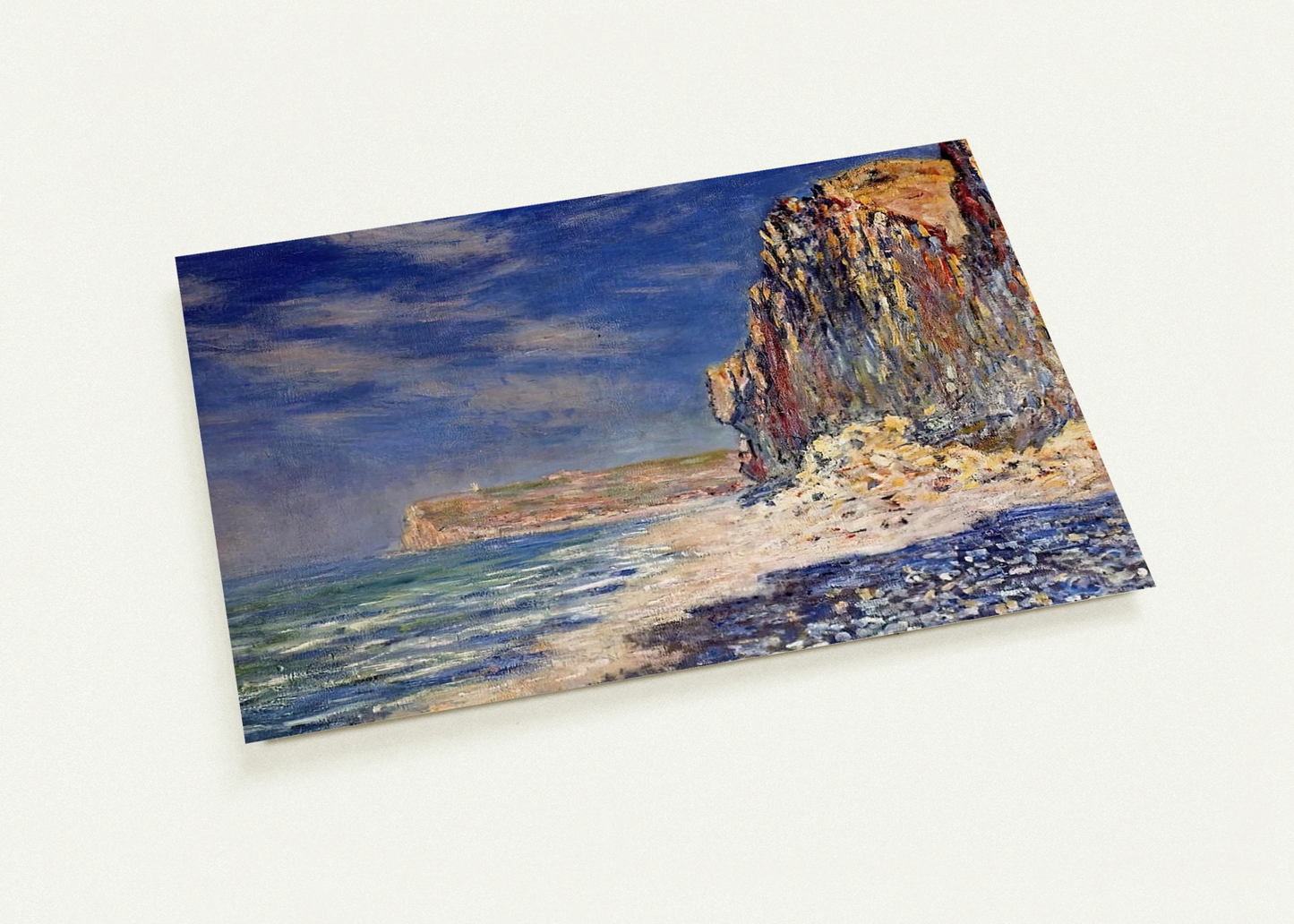
Experience the ethereal beauty of the Alabaster Coast with our exclusive Claude Monet Post Cards, featuring the iconic 1881 painting, Cliff near Fecamp. During this pivotal period in his career, Monet was deeply captivated by the rugged geology of Normandy, utilizing rapid, rhythmic brushstrokes to capture the fleeting interplay of sunlight and sea spray. This pack of 10 flat postcards allows you to share a fragment of art history, transforming simple messages into curated moments of Impressionist brilliance.
Museum-Grade Reproduction by RedKalion
At RedKalion, we believe fine art deserves more than standard reproduction techniques. While most commercial prints utilize a basic 4-color process, our fine art prints are rendered using advanced 12-color printing technology. This ensures the subtle aquamarine hues and chalky whites of Monet’s palette are reproduced with stunning depth and chromatic accuracy. Each card is printed on 200 gsm (80 lb) FSC-certified paper, offering a substantial 0.26 mm thickness that conveys quality and durability.
Sophisticated Finish and Ethical Craftsmanship
Every postcard features a smooth matte finish, specifically chosen to minimize glare and highlight the intricate textures of the original brushwork. To honor the natural landscapes Monet so loved, we utilize environmentally conscious materials and print each order on demand. Whether used for thoughtful invitations or as a small-scale museum-quality reproduction for your personal space, these postcards represent the pinnacle of archival-grade printing.
- Artist: Claude Monet
- Title: Cliff near Fecamp
- Pack Size: 10 Postcards
- Finish: Premium Smooth Matte
- Sustainability: FSC-certified archival paper
Discover Unlimited Art Possibilities
At RedKalion, you can find virtually any artwork from any artist, available in a wide range of sizes to perfectly match your space.
If you didn’t find what you’re looking for, contact us at support@redkalion.com . We will source any artwork and produce it in any size and format you need, including art prints, posters, canvas, framed pieces, framed canvas, and more.
For dedicated art enthusiasts, we also offer handcrafted replicas of any artwork, carefully painted by highly skilled artists using traditional techniques.
For custom requests, contact us at support@redkalion.com .
What printing technology is used for these Monet postcards?
RedKalion utilizes professional 12-color fine art printing technology. This provides superior color vibrancy and accuracy compared to standard 4-color inkjet processes, ensuring Monet’s Impressionist palette is faithfully preserved.
What are the physical specifications of the paper?
The postcards are printed on 200 gsm (80 lb) paper with a thickness of 0.26 mm. The smooth matte finish ensures a clean, glare-free display that highlights the fine details of the artwork.
Is the paper used for these prints environmentally friendly?
Yes, we prioritize sustainability. All our postcards are printed on FSC-certified paper, ensuring the materials are sourced from responsibly managed forests that provide environmental and social benefits.
What are the dimensions of these Claude Monet postcards?
This pack features A6 sized cards, measuring 10.5 x 14.8 cm (4.1 x 5.8 inches). This size is ideal for standard postal rates and fits perfectly in common A6 envelopes or small frames.
How long will these fine art reproductions last?
Printed on archival-grade materials with premium inks, these postcards are designed to resist fading. The 200 gsm weight and high-quality coating ensure the artwork remains vibrant for years to come.
Where was Claude Monet's Cliff near Fécamp originally painted?
Monet painted this scene on the Alabaster Coast in Normandy, France. He was drawn to the dramatic limestone cliffs and the unique atmospheric conditions of the English Channel.
What is the significance of Fécamp in Monet's artistic development?
Fécamp offered Monet a landscape of movement. By studying the cliffs, he moved away from traditional landscapes toward a pure focus on light, shadow, and the changing elements, defining the Impressionist movement.