RedKalion
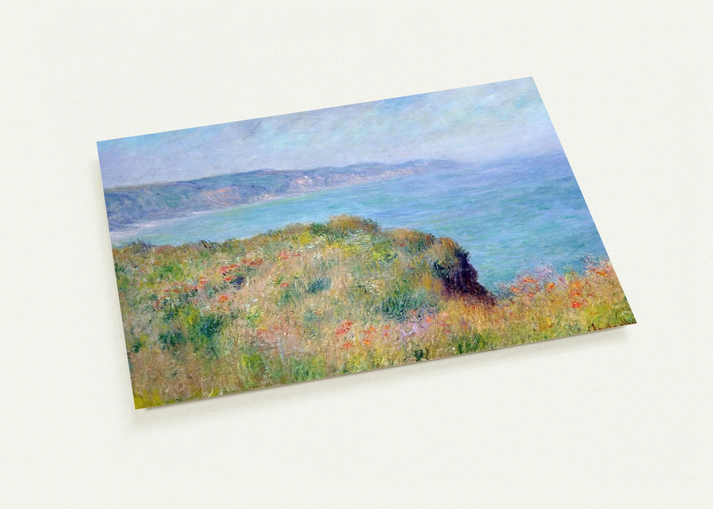
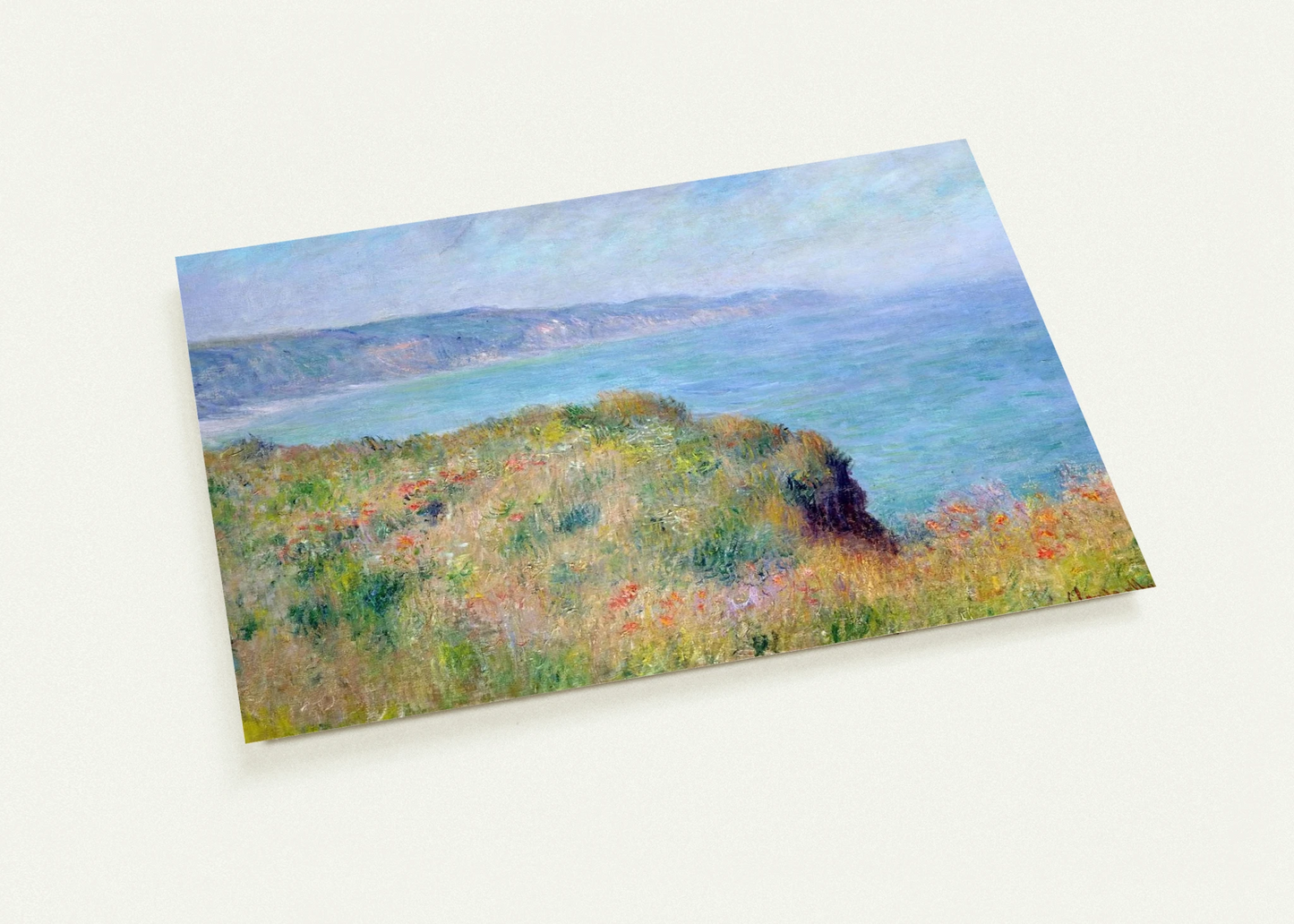
Cliff near Pourville By claude monet Pack of 10 Post Cards | claude monet Post Cards | A6 (10.5 x 14.8 cm) - 4.1 x 5.8 inches
Cliff near Pourville By claude monet Pack of 10 Post Cards | claude monet Post Cards | A6 (10.5 x 14.8 cm) - 4.1 x 5.8 inches
Couldn't load pickup availability
Bring the Normandy Coast to Your Correspondence: Cliff near Pourville by Claude Monet
Invite the ethereal beauty of the French coast into your daily life with this exquisite pack of 10 museum-quality postcards featuring Claude Monet’s 1882 masterpiece, Cliff near Pourville. This work represents the pinnacle of French Impressionism, capturing the shifting light and atmospheric conditions of the English Channel with the artist's signature loose brushwork and vibrant palette.
At RedKalion, we believe fine art should be accessible and tangible. These postcards are not standard stationery; they are archival-grade reproductions designed for the discerning collector. Utilizing advanced 12-color fine art printing technology, we achieve a depth of color and accuracy that far surpasses standard commercial 4-color inkjet processes. Each card serves as a miniature window into Monet’s world, perfect for thoughtful correspondence or an elegant mini-gallery display.
Museum-Grade Specifications
- Chromative Depth: Our 12-color printing process ensures every hue from Monet’s palette is rendered with stunning vibrancy and precision.
- Premium Paper Stock: Printed on 200 gsm (80 lb) paper with a thickness of 0.26 mm (10.3 mils) for a substantial, high-end tactile experience.
- Sophisticated Finish: A smooth matte coating provides a clean, glare-free view of the artwork, highlighting the texture of the original canvas.
- Eco-Conscious Curation: We utilize FSC-certified paper, ensuring your appreciation for art aligns with environmental responsibility.
- Perfectly Proportioned: Sized at A6 (10.5 x 14.8 cm / 4.1 x 5.8 inches), these cards are ideal for framing or international mailing.
Elevate your personal messages or your home decor with an archival masterpiece that endures. RedKalion remains the definitive source for those seeking the intersection of art history and premium print quality.
Discover Unlimited Art Possibilities
At RedKalion, you can find virtually any artwork from any artist, available in a wide range of sizes to perfectly match your space.
If you didn’t find what you’re looking for, contact us at support@redkalion.com . We will source any artwork and produce it in any size and format you need, including art prints, posters, canvas, framed pieces, framed canvas, and more.
For dedicated art enthusiasts, we also offer handcrafted replicas of any artwork, carefully painted by highly skilled artists using traditional techniques.
For custom requests, contact us at support@redkalion.com .
What makes the printing quality of these Monet postcards unique?
RedKalion utilizes 12-color fine art printing technology. This process provides much greater color depth and accuracy than standard 4-color printing, ensuring the subtle shifts in Monet's Normandy landscapes are captured perfectly.
What are the physical dimensions and paper weight of the cards?
Each card is A6 size (10.5 x 14.8 cm). We use premium 200 gsm (80 lb) paper with a thickness of 0.26 mm, offering a sturdy, professional feel compared to standard postcards.
Is the paper used for these postcards environmentally friendly?
Yes. All our fine art postcards are printed on FSC-certified paper, ensuring the materials are sourced from responsibly managed forests that provide environmental, social, and economic benefits.
Can these postcards be sent through the mail easily?
Absolutely. The 4.1 x 5.8 inch dimensions meet standard international mailing requirements. The 200 gsm weight ensures durability during transit while maintaining a smooth matte finish for writing.
How long will the colors last on these archival prints?
By using 12-color pigment-based inks and acid-free archival-grade paper, these reproductions are designed to resist fading for decades, maintaining their vibrancy much longer than mass-produced stationery.
Where was "Cliff near Pourville" originally painted?
Claude Monet painted this work in 1882 in Pourville-sur-Mer, a small fishing village in Normandy, France. He was fascinated by the unique lighting of the limestone cliffs and the sea.
What artistic technique is most prominent in this specific work?
Monet employs "En plein air" painting, using short, rhythmic brushstrokes to capture the "instantaneity" of light. The juxtaposition of the rugged cliff against the soft, reflective water is a hallmark of his style.