

RedKalion
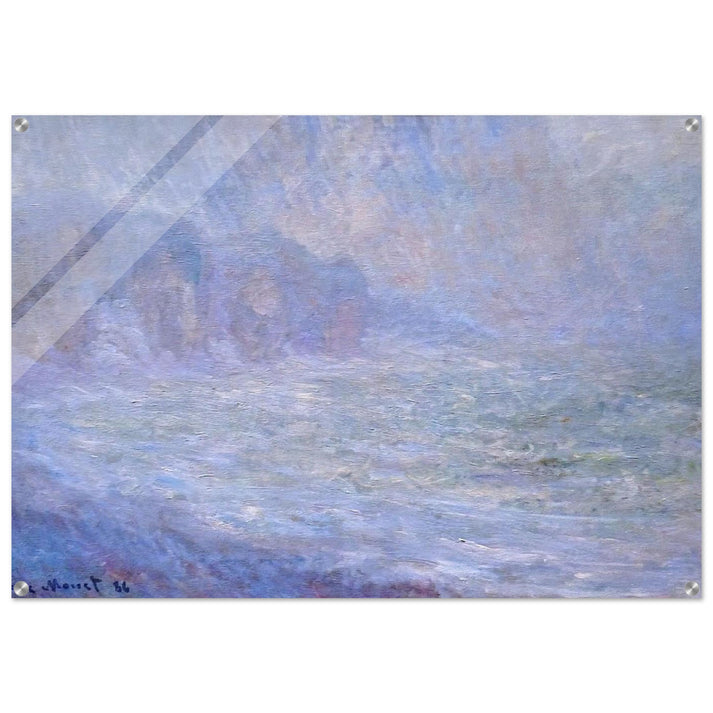
Cliffs at Pourville, Rain - claude monet Acrylic Print - 70x100 cm / 28x40″ inches
Cliffs at Pourville, Rain - claude monet Acrylic Print - 70x100 cm / 28x40″ inches
Couldn't load pickup availability
Cliffs at Pourville, Rain by Claude Monet - Museum-Quality Acrylic Print
Immerse yourself in the evocative atmosphere of Claude Monet's masterpiece, "Cliffs at Pourville, Rain." This stunning fine art print captures the ephemeral beauty of the Normandy coastline under a dramatic, rain-laden sky, rendered with Monet's signature Impressionist brushwork. A celebrated work from the artist's prolific career, this piece showcases his unparalleled ability to translate the fleeting effects of light and weather onto canvas. Owning this museum-quality reproduction allows you to bring the serene yet powerful essence of Impressionism into your home.
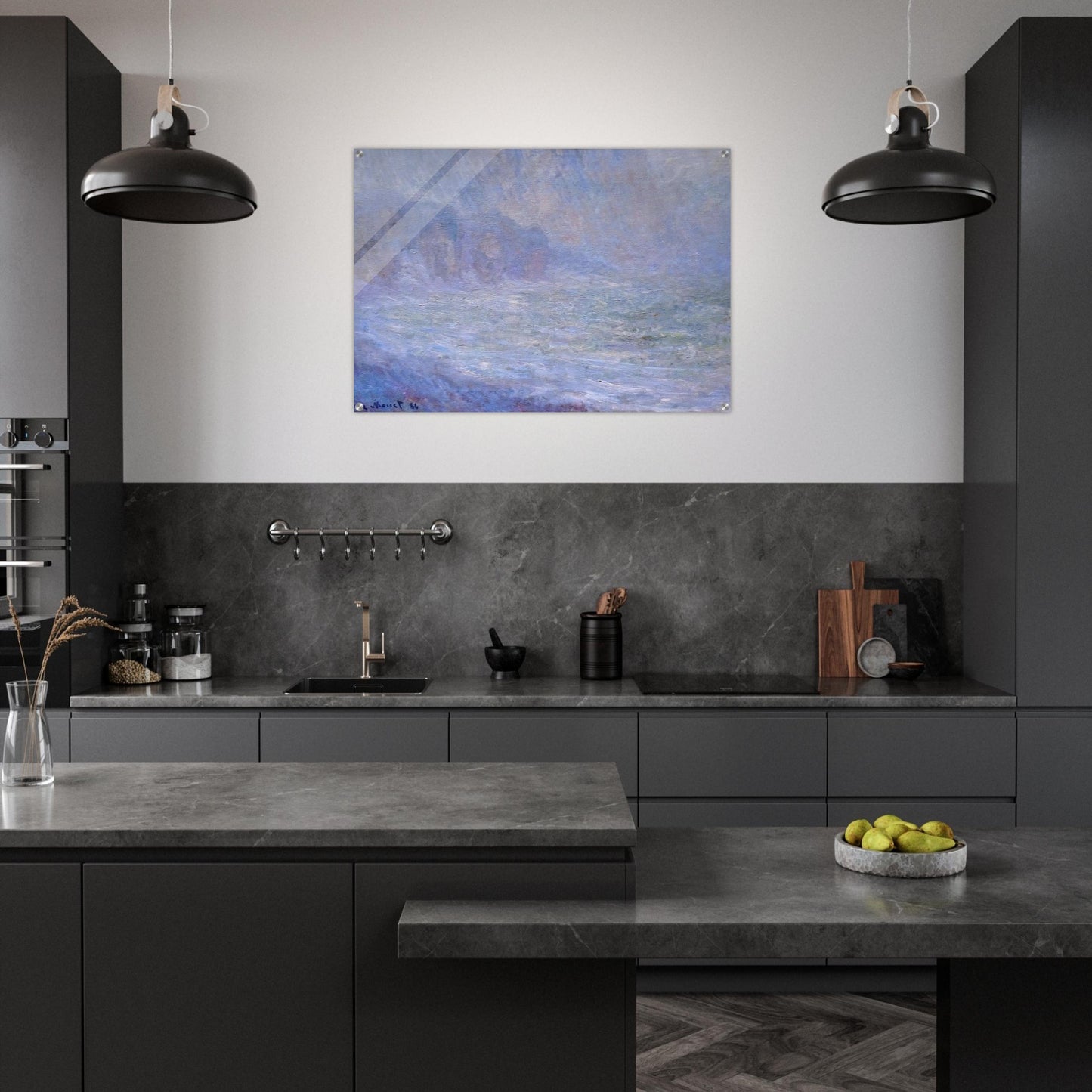
Our premium reproductions are crafted on 4mm (0.15") acrylic, providing a sleek, vibrant, and exceptionally durable finish. The artwork's colors pop with remarkable depth, protected by the resilient acrylic surface. Designed with modern aesthetics in mind, this print features straight-cut corners and a default transparent background that appears as white, ensuring the artwork remains the focal point. Each piece is ready to hang, complete with a discreet hanging kit including hardware, screws, and pre-drilled holes for effortless installation, making it an ideal choice for any discerning art collector seeking an archival masterpiece that endures.
- Artwork: Cliffs at Pourville, Rain
- Artist: Claude Monet
- Collection: Impressionism
- Print Type: Museum-Quality Acrylic Print
- Dimensions: 70x100 cm / 28x40 inches
- Material: 4mm (0.15") Acrylic
- Finish: Vibrant, durable, sleek
- Mounting: Includes pre-installed hanging hardware


Discover Unlimited Art Possibilities
At RedKalion, you can find virtually any artwork from any artist, available in a wide range of sizes to perfectly match your space.
If you didn’t find what you’re looking for, contact us at support@redkalion.com . We will source any artwork and produce it in any size and format you need, including art prints, posters, canvas, framed pieces, framed canvas, and more.
For dedicated art enthusiasts, we also offer handcrafted replicas of any artwork, carefully painted by highly skilled artists using traditional techniques.
For custom requests, contact us at support@redkalion.com .
What is "Cliffs at Pourville, Rain" by Claude Monet?
"Cliffs at Pourville, Rain" is an Impressionist painting by Claude Monet, depicting the dramatic coastal landscape of Pourville under inclement weather, showcasing his mastery of capturing atmospheric conditions.
What are the dimensions of this Claude Monet acrylic print?
This museum-quality reproduction of Monet's "Cliffs at Pourville, Rain" is available in the dimensions 70x100 cm, which is equivalent to 28x40 inches.
What material is the "Cliffs at Pourville, Rain" artwork printed on?
This fine art print is produced on 4mm (0.15") acrylic, offering a sleek, vibrant, and durable finish that enhances the visual impact of Monet's masterpiece.
Does the acrylic print come with a hanging kit?
Yes, each premium acrylic print includes a comprehensive hanging kit with hardware, screws, and pre-drilled holes for secure and straightforward wall mounting.
How is the archival longevity of this Claude Monet print ensured?
The 4mm acrylic material provides excellent protection against UV light and physical damage, ensuring the vibrant colors and detail of this museum-quality reproduction remain preserved for years.
When did Claude Monet paint "Cliffs at Pourville, Rain"?
Claude Monet painted "Cliffs at Pourville, Rain" in 1882, a period marked by his continued exploration of coastal landscapes and the atmospheric effects of light and weather.
What artistic techniques does Monet employ in "Cliffs at Pourville, Rain"?
In "Cliffs at Pourville, Rain," Monet uses his characteristic loose brushstrokes and focus on capturing the transient effects of light and atmosphere, characteristic of the Impressionist movement.