

RedKalion
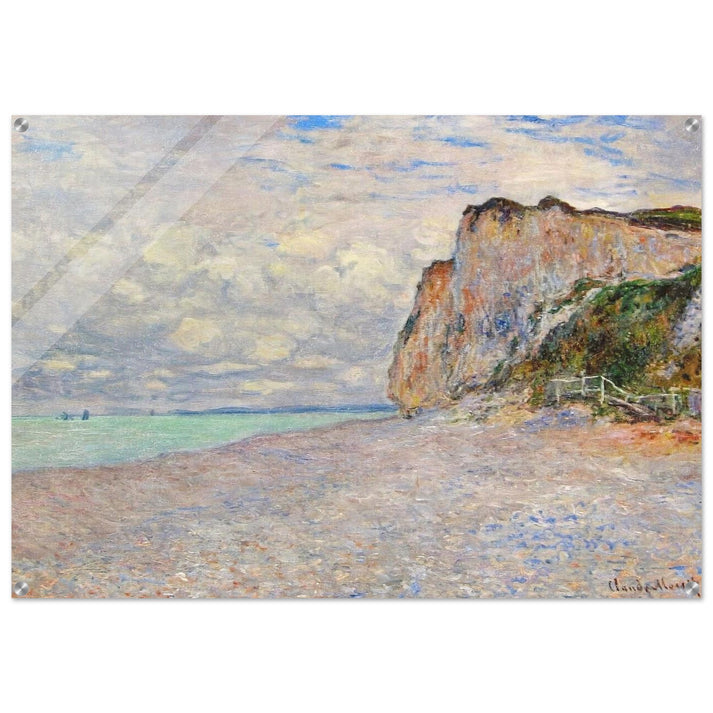
Cliffs near Dieppe - claude monet Acrylic Print - 70x100 cm / 28x40″ inches | claude monet Wall Art | claude monet Prints
Cliffs near Dieppe - claude monet Acrylic Print - 70x100 cm / 28x40″ inches | claude monet Wall Art | claude monet Prints
Couldn't load pickup availability
Claude Monet's "Cliffs near Dieppe" - A Vibrant Impressionist Masterpiece
Experience the invigorating coastal air and dramatic beauty of Normandy with Claude Monet's "Cliffs near Dieppe." This iconic Impressionist landscape, rendered with Monet's signature broken brushstrokes and keen observation of light, captures the raw power of nature where the land meets the sea. RedKalion is proud to present a museum-quality reproduction of this seminal work, meticulously crafted for discerning collectors.
Our Claude Monet prints are not mere reproductions; they are statements of enduring artistic value. This particular piece, "Cliffs near Dieppe," showcases Monet's fascination with atmospheric effects and the ephemeral quality of light on rugged terrain. The dynamic interplay of the sky, sea, and imposing cliffs is brought to life with exceptional clarity and depth, making it a stunning focal point for any space.
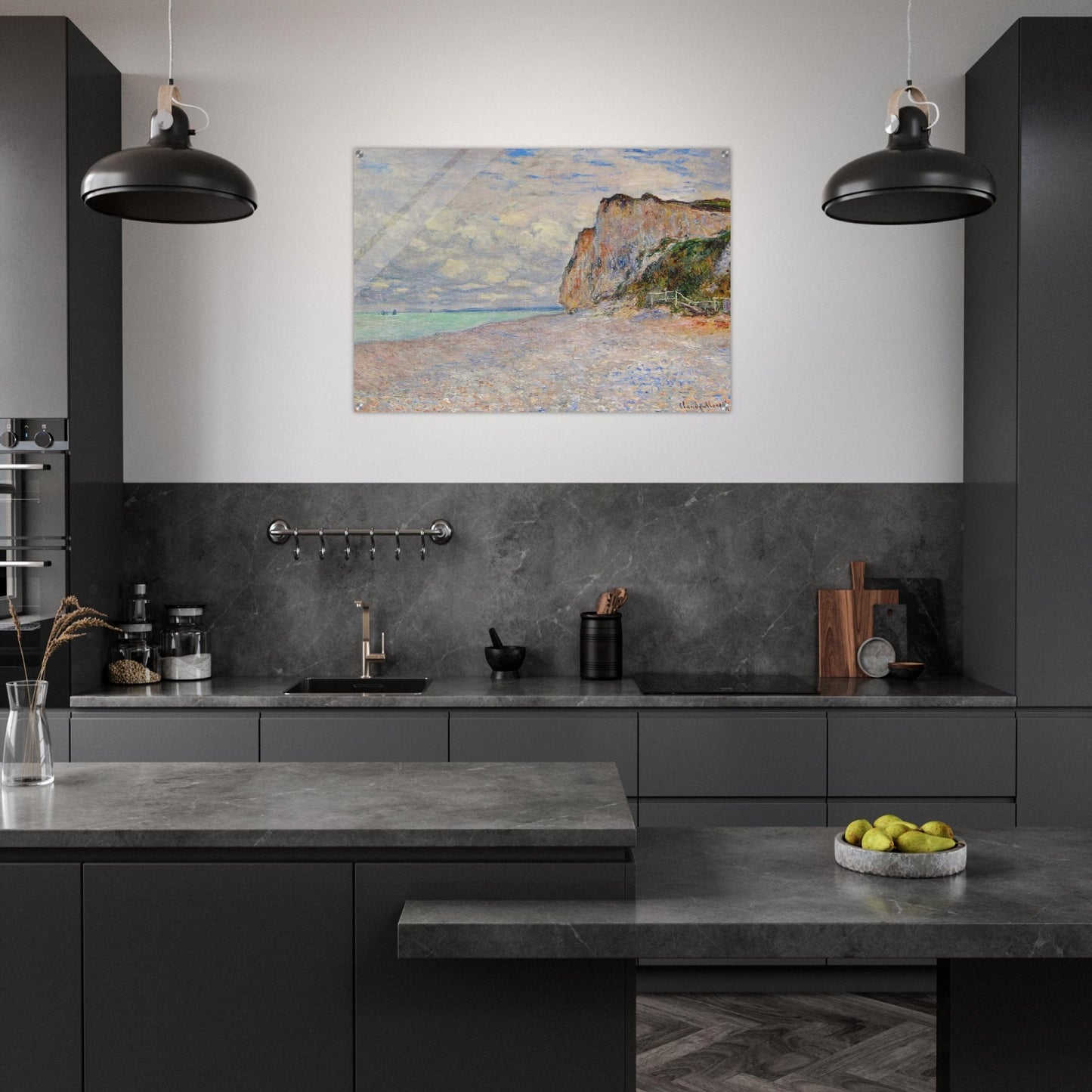
Elevate your home or office with this archival masterpiece, presented on a durable 4mm (0.15") acrylic panel. This modern medium offers a sleek, vibrant, and highly durable finish, ensuring the rich colors and intricate details of Monet's original painting remain vivid for years to come. The straight-cut corners provide a contemporary aesthetic, while the default white background ensures optimal presentation of the artwork. Each print comes complete with a discreet hanging kit, including hardware, screws, and precisely positioned screw holes for effortless installation.
- Artwork: Cliffs near Dieppe by Claude Monet
- Medium: Fine Art Print on 4mm Acrylic
- Dimensions: 70x100 cm / 28x40 inches
- Style: Impressionism
- Features: Museum-quality reproduction, vibrant colors, durable acrylic, modern design, includes hanging kit


Discover Unlimited Art Possibilities
At RedKalion, you can find virtually any artwork from any artist, available in a wide range of sizes to perfectly match your space.
If you didn’t find what you’re looking for, contact us at support@redkalion.com . We will source any artwork and produce it in any size and format you need, including art prints, posters, canvas, framed pieces, framed canvas, and more.
For dedicated art enthusiasts, we also offer handcrafted replicas of any artwork, carefully painted by highly skilled artists using traditional techniques.
For custom requests, contact us at support@redkalion.com .
What is the artwork "Cliffs near Dieppe" by Claude Monet?
"Cliffs near Dieppe" is an Impressionist oil painting by Claude Monet, capturing the dramatic coastal landscapes of Normandy with his characteristic focus on light and atmosphere.
What is the material and finish of this Claude Monet print?
This fine art print is produced on a 4mm (0.15") acrylic panel, offering a sleek, vibrant, and durable finish with straight-cut corners for a modern look.
What are the dimensions of the "Cliffs near Dieppe" acrylic print?
The dimensions of this museum-quality reproduction are 70x100 cm, equivalent to 28x40 inches, perfect for making a statement.
Does the acrylic print come with a hanging kit?
Yes, each acrylic print includes a complete hanging kit with hardware, screws, and pre-drilled holes for straightforward installation.
How long can I expect this archival print to last?
Our museum-quality acrylic prints are designed for exceptional longevity, offering archival brilliance that preserves the vividness of Claude Monet's "Cliffs near Dieppe" for decades.
What is significant about Claude Monet's "Cliffs near Dieppe"?
This piece is significant for its early depiction of coastal erosion and Monet's evolving Impressionist style, showcasing his mastery of capturing fleeting light and atmospheric conditions.
Can you tell me more about Claude Monet's technique in this painting?
Monet employed broken brushstrokes and a direct observation of nature to convey the energy of the sea and the textures of the cliffs, prioritizing visual sensation over precise detail.