RedKalion
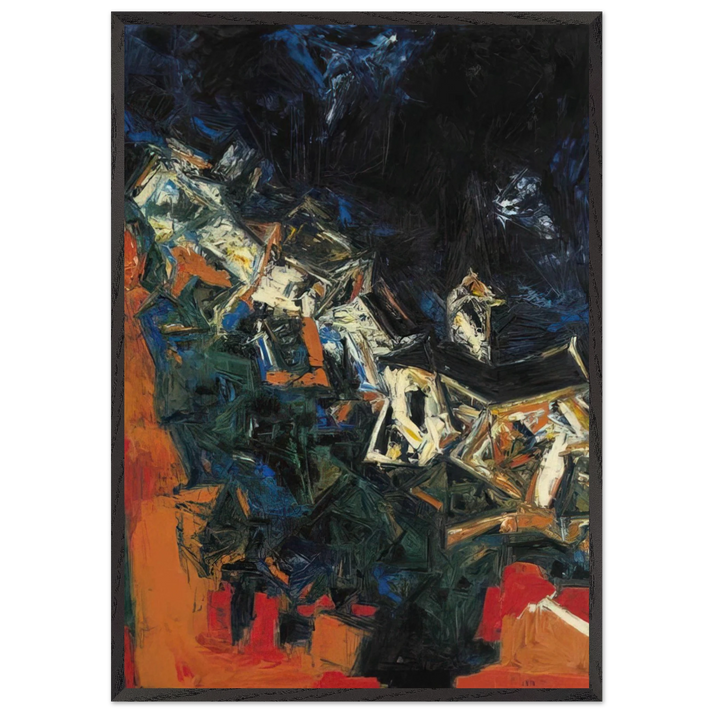
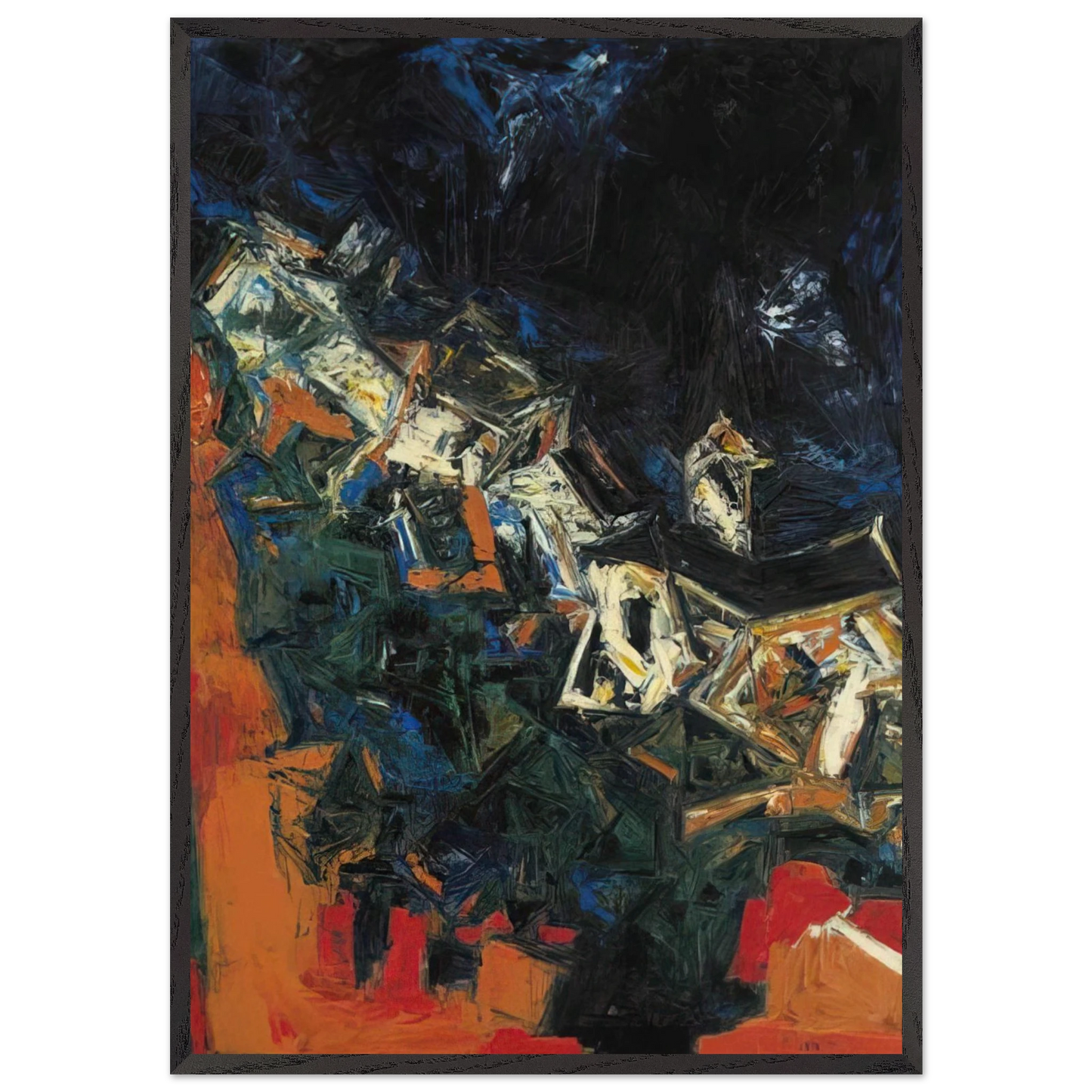
Clocher du Village - 1958 - S H Raza 70x100 cm / 28x40 inches Framed Art Print – Black Wooden Frame
Clocher du Village - 1958 - S H Raza 70x100 cm / 28x40 inches Framed Art Print – Black Wooden Frame
Couldn't load pickup availability
Clocher du Village - 1958 - S.H. Raza 70x100 cm / 28x40 inches Framed Art Print
Elevate your space with a museum-quality reproduction of S.H. Raza's evocative masterpiece, "Clocher du Village," created in 1958. This iconic piece, measuring 70x100 cm (28x40 inches), is a significant work from Raza's early period, showcasing his evolving artistic vision before his later exploration of abstract Bindu symbolism. The 'Village Bell Tower' captures a sense of serene contemplation and architectural form, rendered with Raza's signature sensitivity to light and atmosphere.
RedKalion is proud to present this exquisite fine art print, meticulously crafted on 250 gsm (110 lb), uncoated, natural white archival paper. This substantial 0.29 mm (11.4 mils) thick paper provides a tactile, museum-grade surface perfect for showcasing the subtle nuances of Raza's original work. Our commitment to sustainability means this FSC-certified paper ensures your art is both beautiful and responsibly sourced.
Your "Clocher du Village" framed art print arrives ready to hang, encased in a modern, 20mm (0.79") thick frame made from responsibly sourced oak and ash wood. The print is protected by shatterproof plexiglass, ensuring clarity and durability while preserving the artwork's integrity for generations to come. This archival masterpiece is more than just a print; it's a piece of art history delivered directly to your home, ready to inspire and endure.
- Artwork: Clocher du Village - 1958
- Artist: S.H. Raza
- Dimensions: 70x100 cm / 28x40 inches
- Frame: 20mm (0.79") Thick Wood Frame (Responsibly Sourced Oak/Ash)
- Paper: 250 gsm (110 lb) Matte, Uncoated, Natural White Archival Paper
- Protection: Shatterproof Plexiglass
- Ready to Hang: Includes Hanging Kit
- Sustainability: FSC-certified materials
Discover Unlimited Art Possibilities
At RedKalion, you can find virtually any artwork from any artist, available in a wide range of sizes to perfectly match your space.
If you didn’t find what you’re looking for, contact us at support@redkalion.com . We will source any artwork and produce it in any size and format you need, including art prints, posters, canvas, framed pieces, framed canvas, and more.
For dedicated art enthusiasts, we also offer handcrafted replicas of any artwork, carefully painted by highly skilled artists using traditional techniques.
For custom requests, contact us at support@redkalion.com .
What is the artwork "Clocher du Village" and who is S.H. Raza?
"Clocher du Village" (Village Bell Tower) is a 1958 painting by renowned Indian artist S.H. Raza, representing his early stylistic explorations before his iconic abstract period.
What are the exact dimensions of this framed art print?
This museum-quality reproduction measures 70x100 cm (28x40 inches), framed in a substantial 20mm (0.79") thick wooden frame.
What type of paper is used for this fine art print?
The print is on 250 gsm (110 lb), matte, uncoated, natural white archival paper, offering a premium, tactile museum-quality finish.
How is the print protected and how is it shipped?
The artwork is protected by shatterproof plexiglass. Our prints are carefully packaged for secure transit to ensure they arrive in perfect condition.
What is the expected longevity of this archival art print?
Utilizing archival paper and museum-quality printing techniques, this fine art print is designed for exceptional longevity and resistance to fading.
Can you tell me more about S.H. Raza's artistic journey around 1958?
In 1958, Raza was deeply influenced by European modernism, yet was developing his unique artistic language that would later blossom into profound abstract compositions.
What is the significance of the bell tower in "Clocher du Village"?
The bell tower likely symbolizes a spiritual or communal focal point within a village setting, reflecting Raza's contemplation of place and cultural identity.