RedKalion
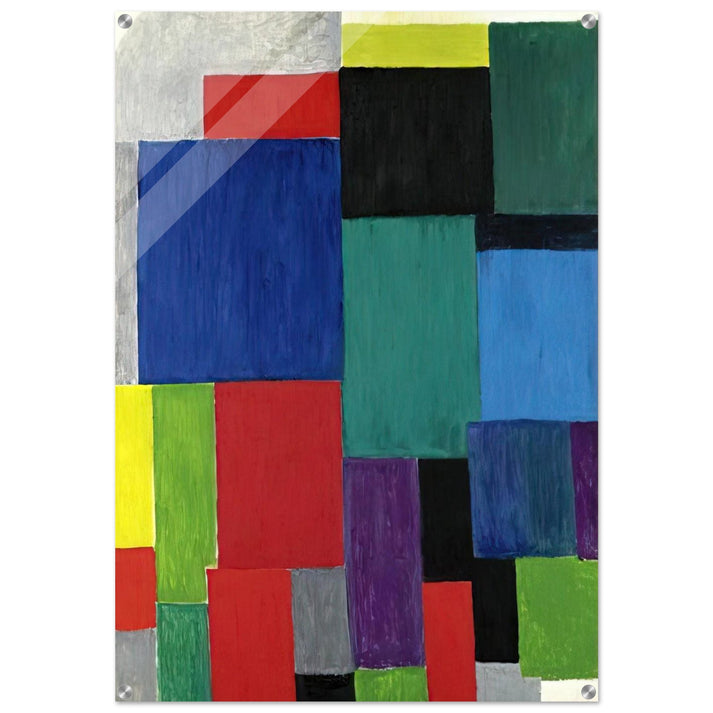
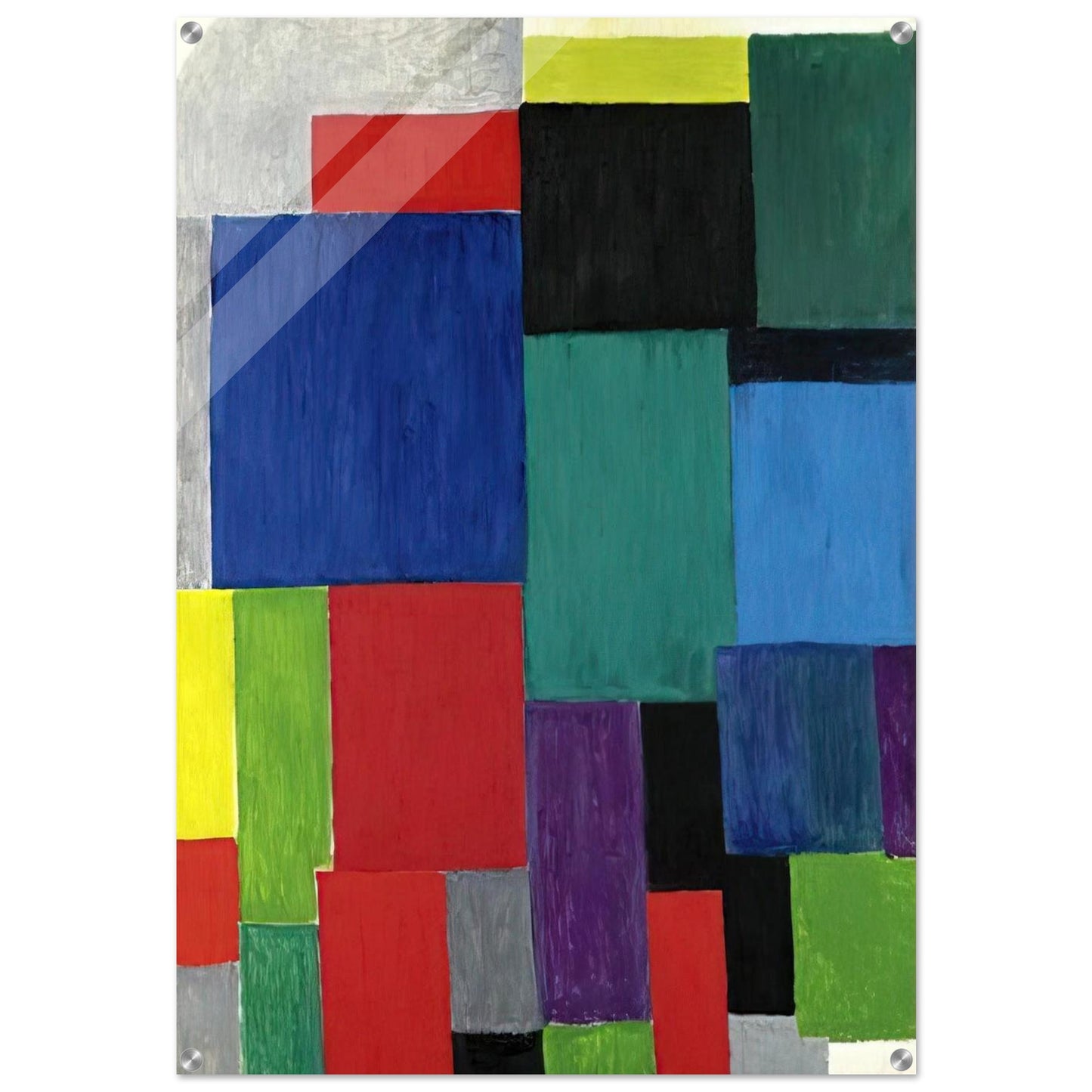
COLOR RHYTHM 1967 - Sonia Delaunay Acrylic Print - 70x100 cm / 28x40″ inches | Sonia Delaunay Wall Art | Sonia Delaunay Prints
COLOR RHYTHM 1967 - Sonia Delaunay Acrylic Print - 70x100 cm / 28x40″ inches | Sonia Delaunay Wall Art | Sonia Delaunay Prints
Couldn't load pickup availability
Sonia Delaunay's "Color Rhythm 1967" - A Masterpiece of Orphism
Immerse yourself in the vibrant world of Sonia Delaunay with this museum-quality fine art print of her iconic 1967 work, "Color Rhythm." This striking piece exemplifies the principles of Orphism, a movement Delaunay co-founded, which emphasized pure abstraction and bright colors. The dynamic interplay of forms and hues in "Color Rhythm" creates a powerful visual symphony, showcasing Delaunay's genius in translating musicality into color.
RedKalion is proud to present this exceptional reproduction, rendered on a sleek, 4mm (0.15") acrylic material. This modern medium enhances the brilliance of Delaunay's palette, offering a vibrant, glossy finish that is both durable and visually stunning. The straight-cut corners provide a contemporary aesthetic, ensuring this Sonia Delaunay wall art seamlessly integrates into any sophisticated interior.
Each Sonia Delaunay print is meticulously crafted to capture the essence of the original artwork. The default transparent background, printed on white, ensures optimal color depth and visual impact. Our prints are designed for longevity and ease of display, complete with a high-quality hanging kit, including hardware, screws, and pre-drilled holes for effortless installation. Elevate your space with an archival masterpiece that endures, celebrating the legacy of Sonia Delaunay's groundbreaking contributions to modern art.
- Artwork: Color Rhythm, 1967
- Artist: Sonia Delaunay
- Medium: Fine Art Acrylic Print
- Dimensions: 70x100 cm / 28x40 inches
- Material: 4mm (0.15") premium acrylic
- Finish: Vibrant, glossy, and durable
- Style: Orphism, Abstract Art
Discover Unlimited Art Possibilities
At RedKalion, you can find virtually any artwork from any artist, available in a wide range of sizes to perfectly match your space.
If you didn’t find what you’re looking for, contact us at support@redkalion.com . We will source any artwork and produce it in any size and format you need, including art prints, posters, canvas, framed pieces, framed canvas, and more.
For dedicated art enthusiasts, we also offer handcrafted replicas of any artwork, carefully painted by highly skilled artists using traditional techniques.
For custom requests, contact us at support@redkalion.com .
What is "Color Rhythm 1967" by Sonia Delaunay?
"Color Rhythm 1967" is a seminal abstract artwork by Sonia Delaunay, a pioneer of Orphism. It showcases her signature vibrant color compositions and dynamic forms.
What is the material of this Sonia Delaunay wall art?
This Sonia Delaunay print is produced on 4mm (0.15") premium acrylic, offering a sleek, vibrant, and highly durable finish that enhances the artwork's colors.
How is the artwork displayed?
The acrylic print features straight-cut corners and comes with a complete hanging kit, including hardware, screws, and pre-drilled holes for easy mounting.
What are the dimensions of this Sonia Delaunay print?
This museum-quality reproduction measures 70x100 cm or approximately 28x40 inches, making it a significant statement piece for any collection.
How long will this archival print last?
Crafted with museum-quality standards and durable acrylic, this fine art print is designed for exceptional longevity, preserving its vibrant colors and integrity for years.
What is Orphism, and how does it relate to "Color Rhythm"?
Orphism, co-founded by Sonia Delaunay, is an art movement focused on pure abstraction and the expressive potential of color. "Color Rhythm" is a prime example of this artistic philosophy in action.
Can you tell me more about Sonia Delaunay's technique in this piece?
Delaunay's technique in "Color Rhythm" involves the strategic juxtaposition of contrasting colors to create a sense of movement and rhythm, reflecting her theories on simultaneity.