


RedKalion
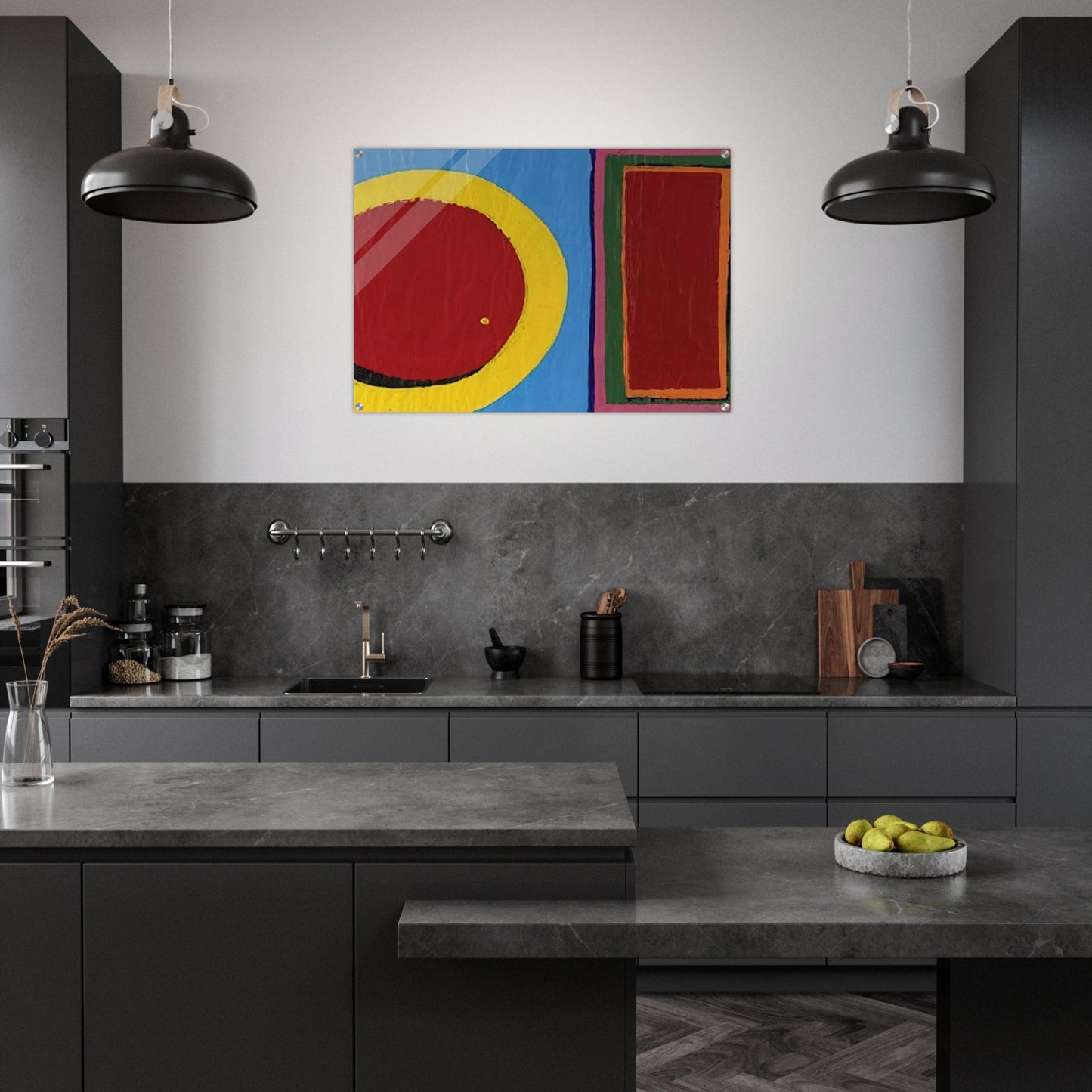
Composition - Al Held Acrylic Print - 70x100 cm / 28x40″ inches
Composition - Al Held Acrylic Print - 70x100 cm / 28x40″ inches
Couldn't load pickup availability
Al Held: Composition - Museum-Quality Acrylic Art Print
Immerse yourself in the bold geometric dynamism of Al Held's iconic 'Composition' with this exquisite museum-quality acrylic art print. Celebrated for his significant contributions to Abstract Expressionism and Color Field painting, Al Held's work is characterized by its powerful use of form and vibrant color. This 'Composition' piece exemplifies his signature style, offering a captivating visual experience that commands attention and sparks intellectual curiosity. The artwork has been meticulously reproduced on a 4mm (0.15") thick acrylic panel, ensuring a sleek, modern presentation that enhances the artwork's inherent depth and luminosity. The print features straight-cut corners for a contemporary aesthetic, and the vibrant colors are preserved with exceptional clarity. The default transparent background is rendered as pure white, providing a pristine canvas for Held's masterful interplay of shapes and hues. This Al Held acrylic print is more than just a decorative piece; it is a testament to modernist innovation and a substantial addition to any discerning art collection. Elevate your space with an archival masterpiece that endures, bringing the intellectual rigor and aesthetic brilliance of Al Held directly into your home or office. Each Al Held print is prepared for effortless display, including a comprehensive hanging kit with hardware, screws, and pre-drilled holes for a seamless installation.
- Artist: Al Held
- Artwork: Composition
- Print Type: Museum-Quality Acrylic Print
- Dimensions: 70x100 cm / 28x40 inches
- Material: 4mm (0.15") thick acrylic
- Finish: Vibrant, sleek, and durable
- Design: Straight-cut corners
- Includes: Hanging kit with hardware and screws


Discover Unlimited Art Possibilities
At RedKalion, you can find virtually any artwork from any artist, available in a wide range of sizes to perfectly match your space.
If you didn’t find what you’re looking for, contact us at support@redkalion.com . We will source any artwork and produce it in any size and format you need, including art prints, posters, canvas, framed pieces, framed canvas, and more.
For dedicated art enthusiasts, we also offer handcrafted replicas of any artwork, carefully painted by highly skilled artists using traditional techniques.
For custom requests, contact us at support@redkalion.com .
What is 'Composition' by Al Held?
'Composition' is a seminal abstract artwork by Al Held, renowned for its exploration of geometric forms and vibrant color relationships, embodying the modernist spirit.
What are the specifications of this Al Held acrylic print?
This museum-quality Al Held print is 70x100 cm (28x40") on 4mm (0.15") acrylic with straight-cut corners and includes a hanging kit.
How is the artwork displayed on the acrylic panel?
The artwork is printed directly onto the 4mm (0.15") acrylic, offering a sleek, vibrant finish. Transparent backgrounds default to white for optimal presentation.
What is the archival quality and longevity of this print?
Our museum-quality reproductions are crafted using archival-grade materials and printing techniques to ensure exceptional colorfastness and longevity for your Al Held fine art print.
What is included with the Al Held acrylic print for hanging?
Each print includes a complete hanging kit with necessary hardware and screws, featuring pre-drilled holes for straightforward installation of your Al Held masterpiece.
Can you tell me more about Al Held's artistic style?
Al Held was a pivotal figure in Abstract Expressionism and Color Field painting, known for his large-scale, geometric abstractions that explore spatial depth and color interaction.
What is the historical context of Al Held's 'Composition' series?
The 'Composition' series reflects Held's move towards a more structured, geometric abstraction in the late 1950s and 60s, engaging with optical effects and formal systems.