RedKalion
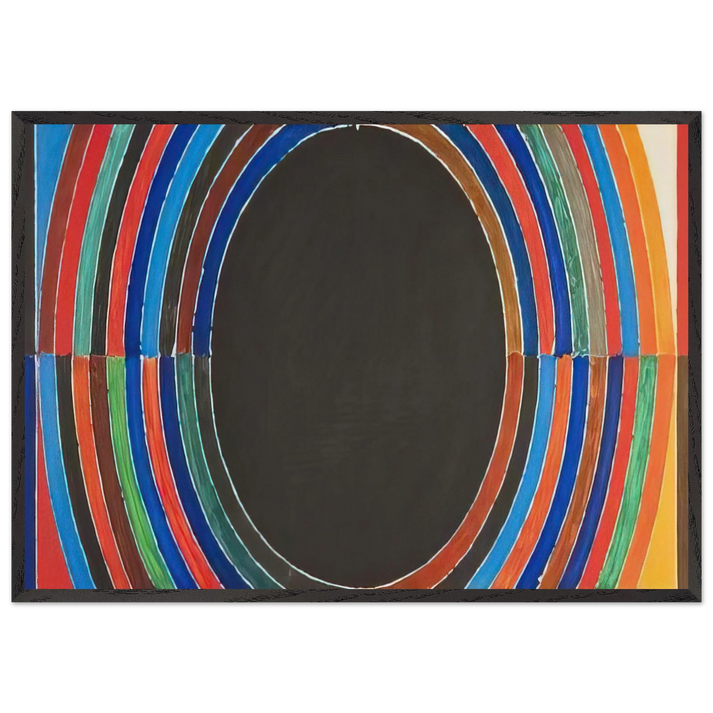
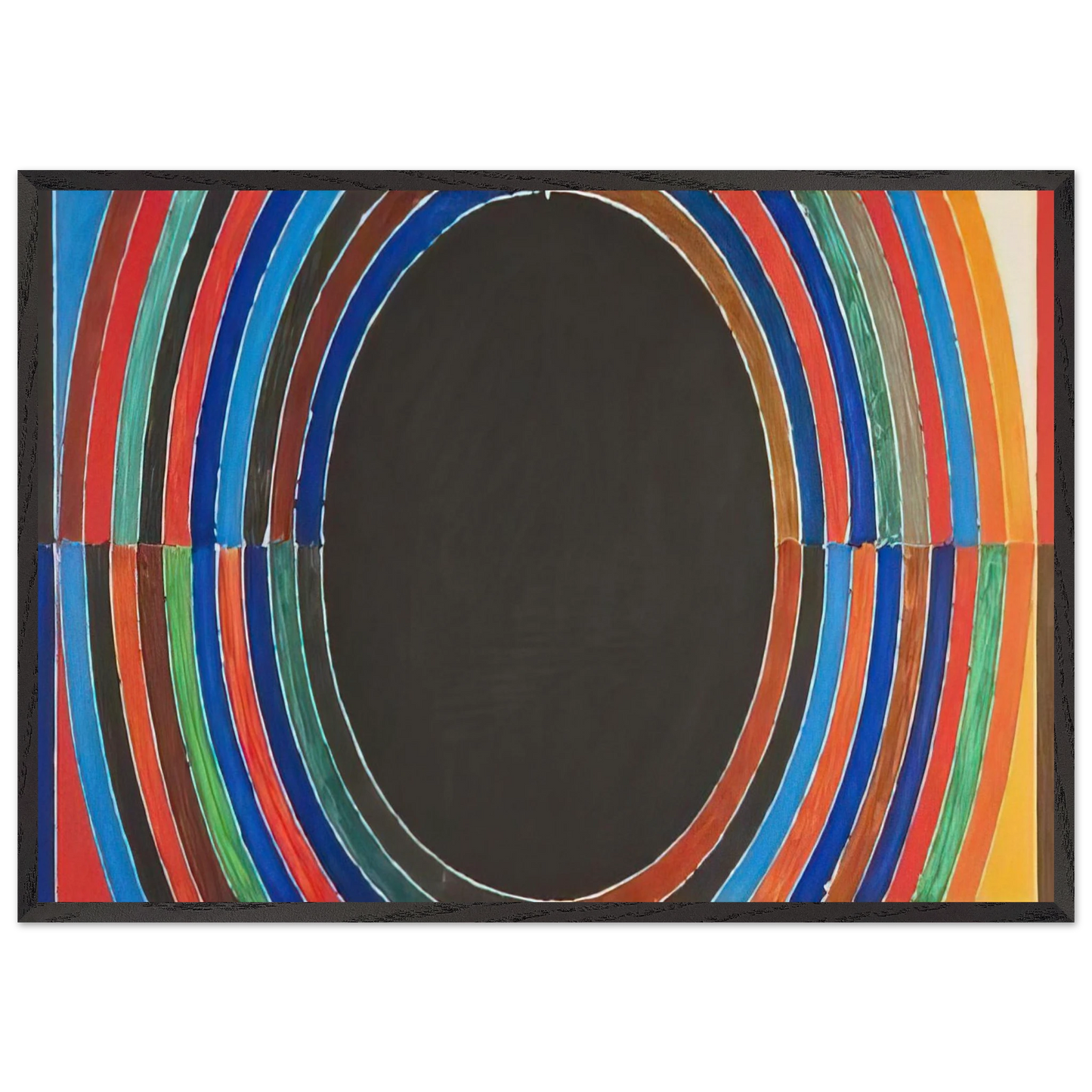
Composition V - Abstract Art - S H Raza 70x100 cm / 28x40 inches Framed Art Print – Black Wooden Frame
Composition V - Abstract Art - S H Raza 70x100 cm / 28x40 inches Framed Art Print – Black Wooden Frame
Couldn't load pickup availability
Syed Haider Raza's "Composition V": An Abstract Masterpiece in Archival Quality
Immerse yourself in the profound visual language of Syed Haider Raza with this museum-quality fine art print of his iconic "Composition V." Raza, a towering figure in Indian modern art, masterfully employs geometric forms and vibrant color palettes to evoke a sense of cosmic order and spiritual exploration. This particular piece, "Composition V," showcases his signature use of the "Bindu" (a point of concentration) and its expansion, representing the genesis of life and the universe. It’s a powerful testament to Raza's philosophical underpinnings and his unique contribution to abstract expressionism.
RedKalion is proud to present this exquisite reproduction, meticulously crafted to honor Raza's original vision. Our commitment to archival excellence ensures that this captivating artwork will be a cherished addition to your collection for generations. Elevate your space with a fine art print that embodies both artistic brilliance and enduring quality.
Museum-Quality Reproduction Features:
- Artwork: "Composition V" by S. H. Raza (70x100 cm / 28x40 inches)
- Frame: Elegantly framed in a 20mm (0.79") thick and wide, responsibly sourced oak and ash wood frame, finished in classic black.
- Paper: Printed on 250 gsm (110 lb) matte, uncoated, natural white archival paper (0.29 mm / 11.4 mils thick), ensuring vibrant colors and sharp details.
- Protection: Features shatterproof plexiglass for enduring clarity and safety.
- Ready to Hang: Comes with a pre-installed hanging kit, making it effortless to display this S. H. Raza artwork immediately.
- Sustainability: Printed on FSC-certified or equivalent sustainable paper, reflecting our commitment to environmental responsibility.
Discover Unlimited Art Possibilities
At RedKalion, you can find virtually any artwork from any artist, available in a wide range of sizes to perfectly match your space.
If you didn’t find what you’re looking for, contact us at support@redkalion.com . We will source any artwork and produce it in any size and format you need, including art prints, posters, canvas, framed pieces, framed canvas, and more.
For dedicated art enthusiasts, we also offer handcrafted replicas of any artwork, carefully painted by highly skilled artists using traditional techniques.
For custom requests, contact us at support@redkalion.com .
What is "Composition V" by S. H. Raza?
"Composition V" is a significant abstract artwork by Indian artist S. H. Raza, known for its exploration of geometric forms and the "Bindu" concept, symbolizing cosmic energy and creation.
What are the dimensions of this framed art print?
This framed art print measures 70x100 cm (28x40 inches), providing a substantial and impactful presence for your wall.
What type of paper is used for this fine art print?
The print utilizes 250 gsm (110 lb) matte, uncoated, natural white archival museum-quality paper, 0.29 mm thick, ensuring longevity and a premium feel.
What is the frame made of and what are its dimensions?
The frame is crafted from responsibly sourced oak and ash wood, featuring a classic black finish. It is 20mm (0.79") thick and wide for a robust, elegant look.
How is the print protected?
The artwork is protected by shatterproof plexiglass, offering excellent clarity while safeguarding the museum-quality print from damage.
Is shipping for this artwork insured?
Yes, all RedKalion art prints are carefully packaged and shipped with insurance to ensure they arrive in perfect condition.
How long will this archival print last?
Utilizing archival paper, museum-grade inks, and protective plexiglass, this fine art reproduction is designed for exceptional longevity, preserving its quality for decades.
Tell me more about S. H. Raza's artistic style.
S. H. Raza is celebrated for his abstract style, often incorporating Indian cultural motifs, particularly the "Bindu," within geometric compositions that convey spiritual and philosophical themes.