RedKalion
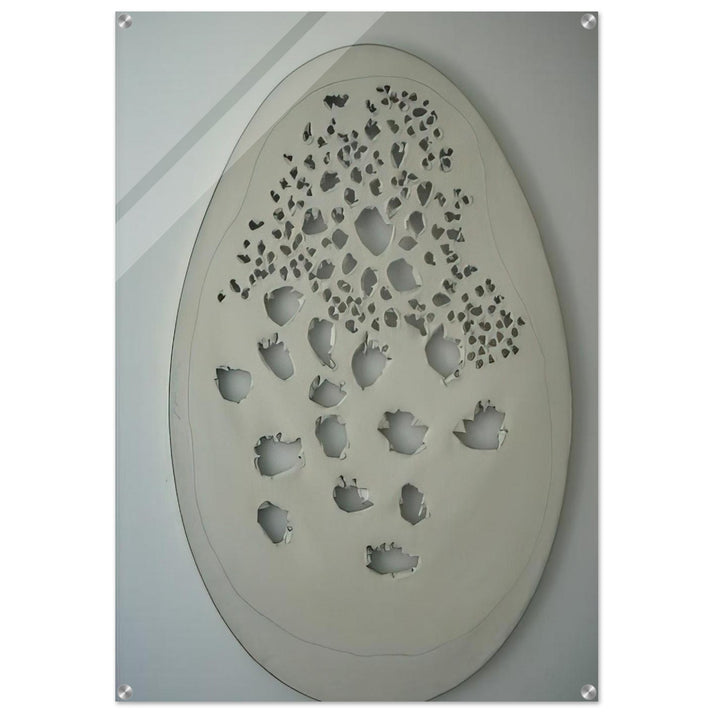
Concept Spatiale - 1963 - Lucio Fontana Acrylic Print - 70x100 cm / 28x40″ inches | Lucio Fontana Wall Art | Lucio Fontana Prints
Concept Spatiale - 1963 - Lucio Fontana Acrylic Print - 70x100 cm / 28x40″ inches | Lucio Fontana Wall Art | Lucio Fontana Prints
Couldn't load pickup availability
Concept Spatiale - 1963 - Lucio Fontana Fine Art Print
Elevate your space with a museum-quality reproduction of Lucio Fontana's seminal 1963 work, Concept Spatiale. This striking piece, meticulously rendered as a premium Lucio Fontana wall art print, captures the essence of Fontana's groundbreaking Spatialism movement. Known for his radical 'cuts' and 'holes' in the canvas, Fontana sought to transcend the traditional picture plane, creating a three-dimensional space that engaged with the viewer on a visceral level. This Concept Spatiale print offers a direct connection to that artistic ambition.
RedKalion is proud to present this Lucio Fontana print, expertly crafted to preserve the integrity and visual impact of the original. The artwork is printed on 4mm (0.15") acrylic, providing a sleek, vibrant, and exceptionally durable finish that enhances the depth and luminosity of Fontana's vision. Its straight-cut corners offer a modern aesthetic, while the transparent background defaults to a crisp white, ensuring the artwork is presented with unparalleled clarity.
This Lucio Fontana wall art is more than just a decorative item; it's an investment in art history. Each print is prepared for immediate display, featuring a robust hanging kit with hardware, screws, and precisely placed screw holes at each corner, facilitating a seamless installation. Bring the avant-garde spirit of Lucio Fontana into your home with this archival masterpiece that endures.
- Artist: Lucio Fontana
- Artwork: Concept Spatiale
- Year: 1963
- Dimensions: 70x100 cm / 28x40 inches
- Material: 4mm (0.15") Acrylic
- Style: Spatialism

Discover Unlimited Art Possibilities
At RedKalion, you can find virtually any artwork from any artist, available in a wide range of sizes to perfectly match your space.
If you didn’t find what you’re looking for, contact us at support@redkalion.com . We will source any artwork and produce it in any size and format you need, including art prints, posters, canvas, framed pieces, framed canvas, and more.
For dedicated art enthusiasts, we also offer handcrafted replicas of any artwork, carefully painted by highly skilled artists using traditional techniques.
For custom requests, contact us at support@redkalion.com .
What are the dimensions of the Lucio Fontana Concept Spatiale print?
This museum-quality reproduction of Lucio Fontana's Concept Spatiale is sized at 70x100 cm (28x40 inches), ideal for making a bold statement as Lucio Fontana wall art.
What material is the Concept Spatiale acrylic print made from?
The artwork is printed on 4mm (0.15") thick acrylic, offering a sleek, vibrant, and durable finish for this fine art print.
How is the Lucio Fontana print shipped?
Your archival Lucio Fontana print is carefully packaged to ensure safe arrival. Shipping logistics for fine art reproductions are handled with utmost care.
What is the expected longevity of this acrylic print?
Printed on durable 4mm acrylic, this museum-quality reproduction of Concept Spatiale is designed for long-lasting visual appeal and archival longevity.
Does the acrylic print come with a hanging kit?
Yes, each Concept Spatiale acrylic print includes a hanging kit with hardware, screws, and pre-drilled holes for easy installation of your Lucio Fontana wall art.
Can you tell me more about Lucio Fontana's Spatialism movement?
Spatialism, pioneered by Lucio Fontana, aimed to break the boundaries of the canvas, creating art that interacted with real space and time, often through his iconic cuts and holes.
What is significant about the "Concept Spatiale" series?
The "Concept Spatiale" series represents Lucio Fontana's exploration of space and dimension, moving beyond traditional painting to create a new form of art that engaged with the void.