RedKalion
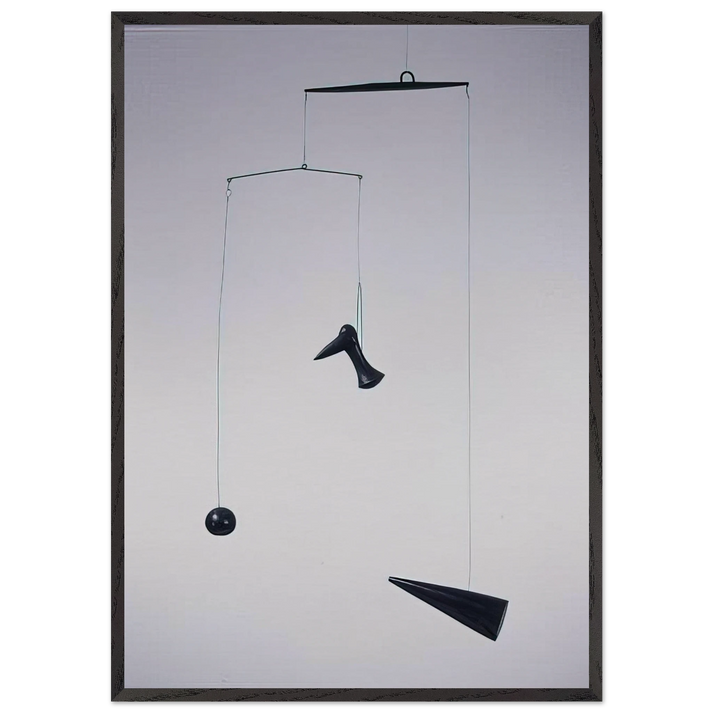
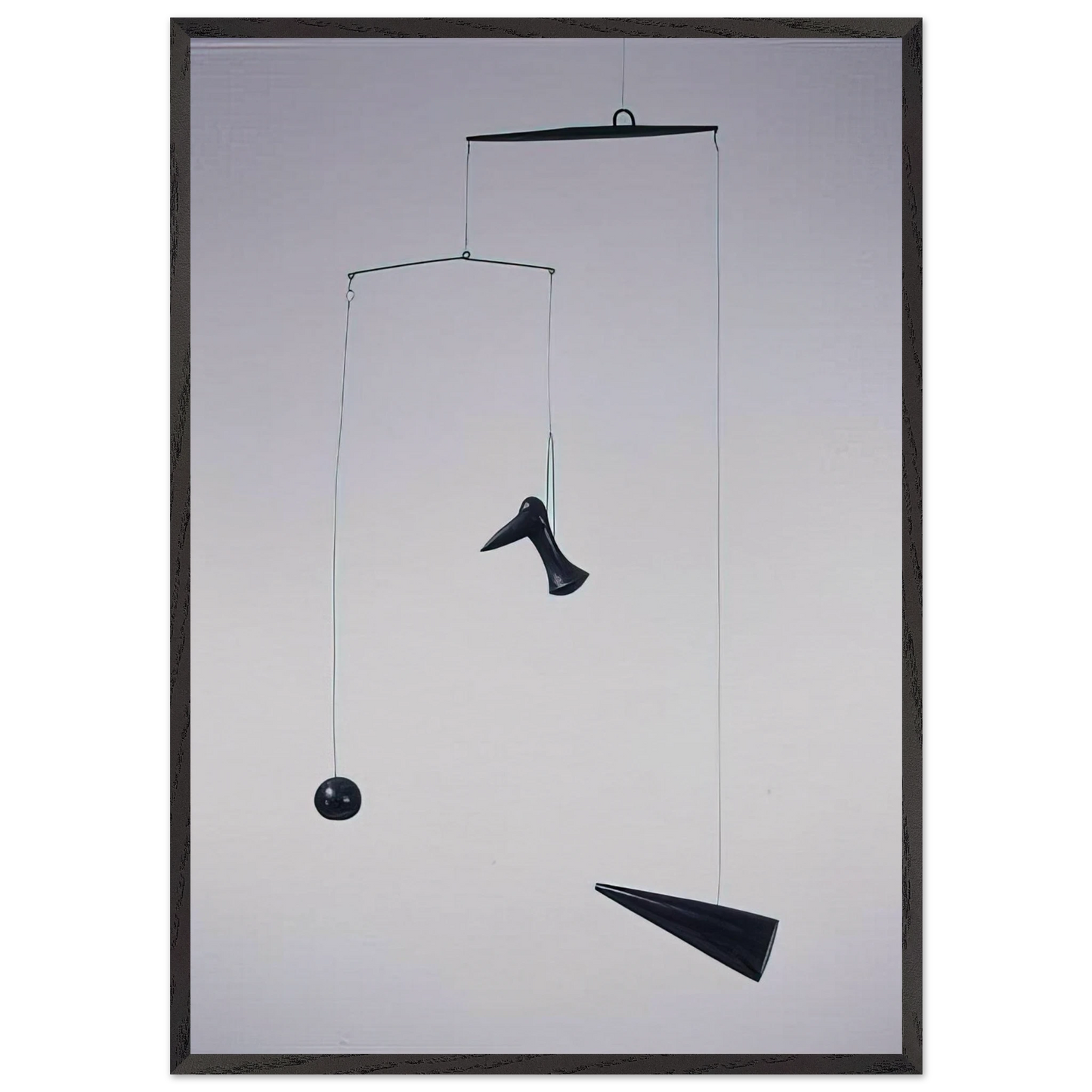
CONE DEBENE 1933 - Alexander Calder 70x100 cm / 28x40 inches Framed Art Print – Black Wooden Frame
CONE DEBENE 1933 - Alexander Calder 70x100 cm / 28x40 inches Framed Art Print – Black Wooden Frame
Couldn't load pickup availability
Alexander Calder "CONE DEBENE 1933" Museum-Quality Art Print
Immerse yourself in the vibrant world of Alexander Calder with this exquisite museum-quality reproduction of his iconic work, "CONE DEBENE 1933." This fine art print captures the playful yet profound spirit characteristic of Calder's pioneering approach to sculpture and drawing. Celebrated for his revolutionary mobiles and stabiles, Calder also produced a significant body of works on paper that showcase his mastery of line, form, and color. This piece, "CONE DEBENE 1933," exemplifies his early explorations into dynamic compositions, offering a glimpse into the evolution of his distinctive artistic language.
RedKalion is proud to present this archival masterpiece, meticulously reproduced on 250 gsm (110 lb) weight, natural white, uncoated, matte paper. Its substantial 0.29 mm (11.4 mils) thickness provides a luxurious feel, ideal for showcasing the intricate details and bold lines of Calder's original work. Printed using fade-resistant inks, this museum-quality print ensures enduring beauty and vividness for generations to come.
Each "CONE DEBENE 1933" art print is presented in a sleek, 20mm (0.79") thick and wide frame crafted from responsibly sourced oak and ash wood. This modern framing choice complements the artwork without overpowering it, offering a sophisticated presentation. For your convenience, your framed print arrives ready-to-hang, complete with a pre-installed hanging kit. Protected by shatterproof plexiglass, this archival fine art print is designed for both beauty and durability, making it a timeless addition to any discerning collection.
Artwork Details:
- Title: CONE DEBENE 1933
- Artist: Alexander Calder
- Print Type: Museum-Quality Art Print
- Dimensions: 70x100 cm / 28x40 inches
- Frame Material: Responsibly sourced oak and ash wood
- Frame Dimensions: 20mm (0.79") thick and wide
- Paper: 250 gsm (110 lb), 0.29 mm (11.4 mils) thickness, matte, uncoated, natural white, archival museum-quality paper
- Protection: Shatterproof plexiglass
- Sustainability: FSC-certified materials or equivalent
- Additional Feature: Ready-to-hang with included hanging kit
Discover Unlimited Art Possibilities
At RedKalion, you can find virtually any artwork from any artist, available in a wide range of sizes to perfectly match your space.
If you didn’t find what you’re looking for, contact us at support@redkalion.com . We will source any artwork and produce it in any size and format you need, including art prints, posters, canvas, framed pieces, framed canvas, and more.
For dedicated art enthusiasts, we also offer handcrafted replicas of any artwork, carefully painted by highly skilled artists using traditional techniques.
For custom requests, contact us at support@redkalion.com .
Frequently Asked Questions
What is "CONE DEBENE 1933" by Alexander Calder?
"CONE DEBENE 1933" is an artwork by Alexander Calder, a seminal figure in 20th-century art, known for his innovative mobiles. This piece reflects his early exploration of form and composition.
What are the specifications of the museum-quality print paper?
This fine art print is on 250 gsm (110 lb), 0.29 mm thick, matte, uncoated, natural white archival museum-quality paper.
How is the artwork framed, and what are the frame dimensions?
The print is framed in responsibly sourced oak and ash wood, measuring 20mm (0.79") thick and wide, offering a substantial and elegant profile.
Is the artwork protected during transit and display?
Yes, the print is protected by shatterproof plexiglass, ensuring durability and safety during shipping and everyday enjoyment.
What makes this print archival and sustainable?
The paper is archival museum-quality and FSC-certified or equivalent. Fade-resistant inks ensure longevity for your fine art print.
Is the Alexander Calder print ready to hang upon arrival?
Absolutely. This framed art print comes with a pre-installed hanging kit, making it ready to display immediately upon delivery.
Tell me more about Alexander Calder's artistic style in 1933.
In 1933, Calder was deepening his exploration of abstract forms and movement, bridging his sculptural innovations with graphic works that often featured dynamic lines and bold shapes.
What is the significance of "CONE DEBENE 1933" within Calder's oeuvre?
This piece is representative of Calder's transitional period, showcasing the development of his signature style which would later define his iconic mobiles and stabiles.