

RedKalion
CRANK DRIVEN MOBILE 1932 - Alexander Calder Brushed Aluminum Print - 70x100 cm / 28x40 inches | Alexander Calder Aluminum Print | Alexander Calder Prints
CRANK DRIVEN MOBILE 1932 - Alexander Calder Brushed Aluminum Print - 70x100 cm / 28x40 inches | Alexander Calder Aluminum Print | Alexander Calder Prints
Couldn't load pickup availability
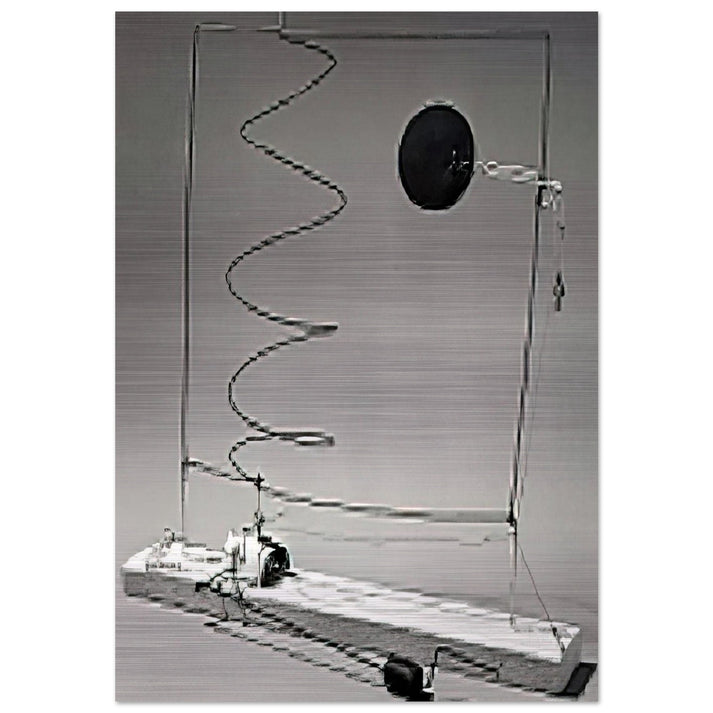
Alexander Calder's CRANK DRIVEN MOBILE (1932) - Museum-Quality Aluminum Print
Immerse yourself in the kinetic genius of Alexander Calder with this exquisite museum-quality print of his iconic 1932 work, CRANK DRIVEN MOBILE. As a pivotal piece from the era of pioneering abstract art, this reproduction captures the dynamic balance and playful movement that defined Calder's revolutionary approach to sculpture and design. This fine art print is more than just a reproduction; it's a testament to Calder's innovative spirit, rendered on a modern medium that complements its avant-garde nature.
RedKalion is proud to present this exceptional Alexander Calder aluminum print, meticulously crafted to preserve the integrity and visual impact of the original masterpiece. Each print is produced using direct printing technology on a 3mm thick Brushed Silver Aluminum DIBOND® panel, featuring a subtle horizontal grain that adds a contemporary, dynamic visual texture. The matte, glare-free finish ensures that the artwork is viewed as intended, with unprinted white areas revealing a striking metallic silver effect, perfect for showcasing the bold lines and forms characteristic of Calder's work.
This Alexander Calder print is ideal for collectors and art enthusiasts seeking to bring a piece of art history into their homes or offices. Elevate your space with an archival masterpiece that endures, celebrating the legacy of one of the 20th century's most influential artists. This museum-quality reproduction offers a unique blend of historical significance and modern presentation, making it a captivating addition to any collection.
Product Details:
- Artwork: CRANK DRIVEN MOBILE (1932)
- Artist: Alexander Calder
- Medium: Fine Art Reproduction on Aluminum
- Material: 3mm Brushed Silver Aluminum DIBOND® with horizontal grain
- Finish: Matte, glare-free with metallic silver effect in unprinted areas
- Dimensions: 70x100 cm / 28x40 inches
- Style: Abstract, Kinetic Art
- Collection: Museum-Quality Alexander Calder Prints
- Includes: Hanging Kit (varies by fulfillment country)


Discover Unlimited Art Possibilities
At RedKalion, you can find virtually any artwork from any artist, available in a wide range of sizes to perfectly match your space.
If you didn’t find what you’re looking for, contact us at support@redkalion.com . We will source any artwork and produce it in any size and format you need, including art prints, posters, canvas, framed pieces, framed canvas, and more.
For dedicated art enthusiasts, we also offer handcrafted replicas of any artwork, carefully painted by highly skilled artists using traditional techniques.
For custom requests, contact us at support@redkalion.com .
What is CRANK DRIVEN MOBILE by Alexander Calder?
CRANK DRIVEN MOBILE (1932) is a significant work by Alexander Calder, representing his pioneering exploration of kinetic art and abstract sculpture, designed to move and interact with its environment.
What is the material of this Alexander Calder print?
This fine art print is produced on 3mm thick Brushed Silver Aluminum DIBOND®, offering a durable, rigid base with a dynamic horizontal grain and a striking metallic silver effect.
What kind of finish does the aluminum print have?
The print features a matte, glare-free finish, ideal for showcasing Calder's abstract designs and allowing the metallic silver effect of the Dibond to shine through.
Are there any special considerations for displaying this print?
The matte finish and metallic effect are best appreciated in good lighting, avoiding direct, intense glare to maintain the artwork's visual depth and clarity.
What is included with the print for hanging?
A hanging kit is included with your museum-quality reproduction, with the specific type varying by fulfillment country for secure and easy installation.
How is the archival longevity of this print ensured?
Our direct printing on AluDibond ensures vibrant colors and longevity. The aluminum substrate provides a stable, archival base resistant to environmental degradation.
Tell me more about Alexander Calder's early work with mobiles.
Calder began creating his famous mobiles in the early 1930s, inspired by his wire sculptures and abstract art. CRANK DRIVEN MOBILE is an early example of this groundbreaking art form.
What is the significance of the 'crank-driven' aspect in Calder's 1932 work?
The 'crank-driven' element highlights Calder's fascination with mechanical movement and audience interaction, showcasing the transition from purely self-moving mobiles to those with manual activation.