RedKalion
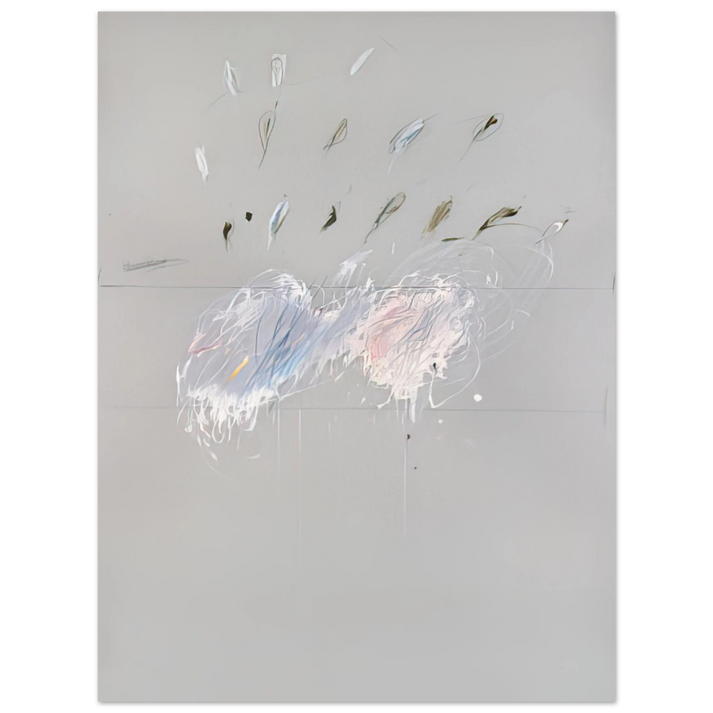
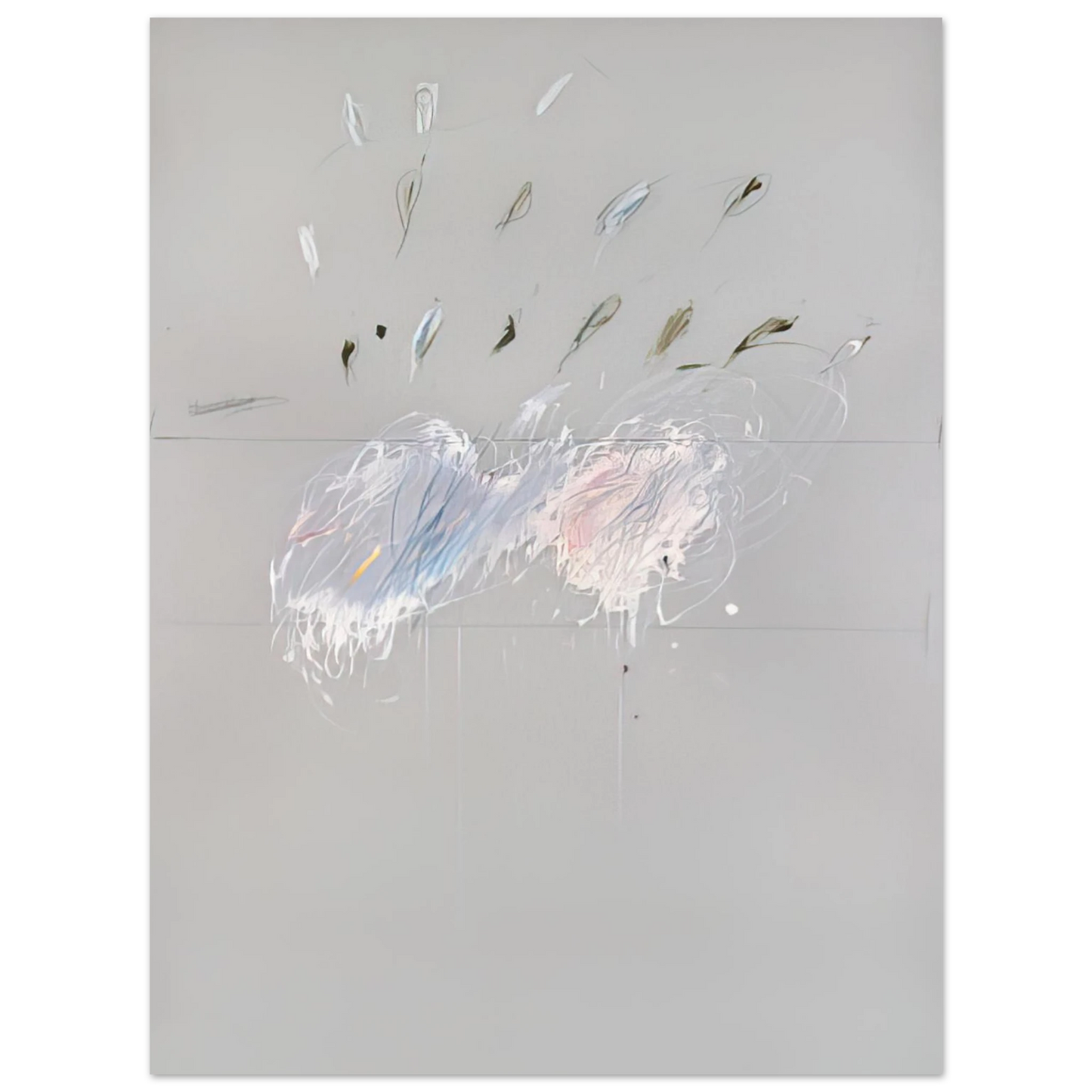
Cy Twombly - Nine Discourses on Commodus, Part VI 75x100 cm / 30x40inches Fine Art Poster
Cy Twombly - Nine Discourses on Commodus, Part VI 75x100 cm / 30x40inches Fine Art Poster
Couldn't load pickup availability
Cy Twombly's "Nine Discourses on Commodus, Part VI" - A Museum-Quality Fine Art Print
Immerse yourself in the raw, gestural brilliance of Cy Twombly with this exceptional museum-quality reproduction of "Nine Discourses on Commodus, Part VI." This striking piece, rendered in a generous 75x100 cm (30x40 inches) format, captures the artist's distinctive blend of lyrical abstraction and primal energy. Twombly, a pivotal figure in post-war Abstract Expressionism, is renowned for his scribbled marks, calligraphic lines, and tonal smudges that evoke a sense of ancient history and contemporary chaos.
This fine art print faithfully reproduces the dynamic tension and nuanced palette of the original. "Nine Discourses on Commodus, Part VI" is a testament to Twombly's exploration of grand themes through a deeply personal visual language. His unique technique, often described as 'writing with paint,' invites contemplation and engages the viewer on an visceral level. Each mark, seemingly spontaneous, is a deliberate act of expression, inviting interpretation and resonating with a profound, almost archaeological depth.
RedKalion is proud to offer this masterwork as an archival-grade fine art print, meticulously produced on Master's Edition archival paper. This premium, uncoated, natural white paper boasts a luxurious matte finish and a substantial weight of 250 gsm (110 lb), with a thickness of 0.29 mm (11.4 mils). Ensuring unparalleled longevity, the paper is acid-free (pH above 7), safeguarding your investment against yellowing and degradation. Printed on demand with a commitment to sustainability, utilizing FSC-certified paper, this reproduction allows you to own a piece of art history that honors both aesthetic excellence and environmental responsibility.
Elevate your space with an archival masterpiece that endures, a tangible connection to the groundbreaking work of Cy Twombly.
Discover Unlimited Art Possibilities
At RedKalion, you can find virtually any artwork from any artist, available in a wide range of sizes to perfectly match your space.
If you didn’t find what you’re looking for, contact us at support@redkalion.com . We will source any artwork and produce it in any size and format you need, including art prints, posters, canvas, framed pieces, framed canvas, and more.
For dedicated art enthusiasts, we also offer handcrafted replicas of any artwork, carefully painted by highly skilled artists using traditional techniques.
For custom requests, contact us at support@redkalion.com .
What is "Nine Discourses on Commodus, Part VI" by Cy Twombly?
This is a significant artwork by Cy Twombly, part of his "Nine Discourses on Commodus" series, characterized by his unique gestural and calligraphic style.
What are the dimensions of this fine art print?
This museum-quality reproduction is available in 75x100 cm (30x40 inches), ideal for making a statement in any art collection.
What type of paper is used for this artwork reproduction?
We use Master's Edition archival paper, a premium, uncoated, natural white stock with a luxurious matte finish for this fine art poster.
What is the paper weight and thickness of this print?
The paper is 250 gsm (110 lb) with a thickness of 0.29 mm (11.4 mils), providing a substantial and high-quality feel for your museum-quality reproduction.
Is this print archival and fade-resistant?
Yes, the Master's Edition paper is acid-free (pH above 7) and uncoated, ensuring the longevity and vibrancy of this fine art print for generations.
How is this artwork fulfilled and shipped?
Each fine art poster is printed on demand and shipped directly from our facility, ensuring a fresh, museum-quality piece arrives at your door.
What is the historical context of Cy Twombly's "Nine Discourses on Commodus" series?
Created in 1963, this series reflects on the Roman emperor Commodus, exploring themes of power, violence, and the ephemeral nature of history through Twombly's signature abstract language.
What makes Twombly's technique unique in this piece?
Twombly's "Nine Discourses on Commodus, Part VI" showcases his distinctive 'scribble' technique, blending raw marks with subtle tonal variations to evoke complex historical and emotional resonances.