RedKalion
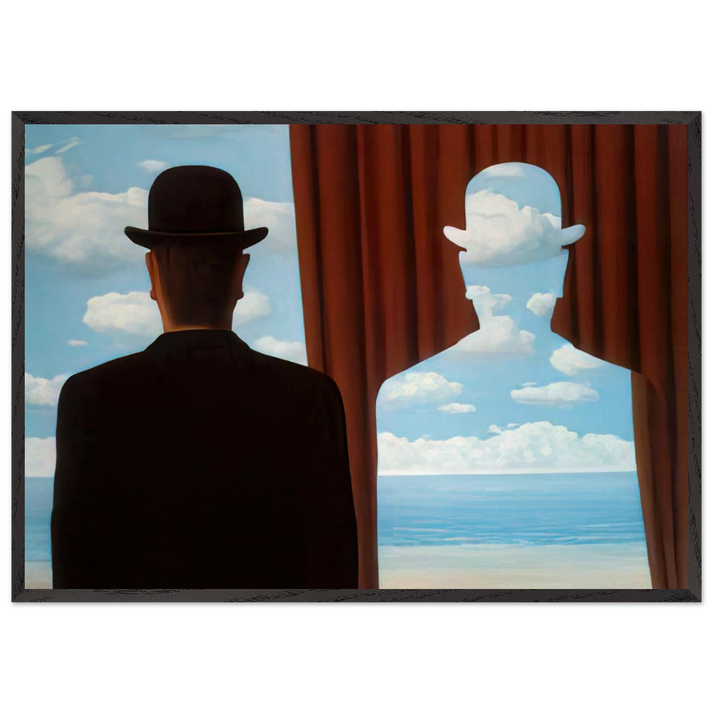
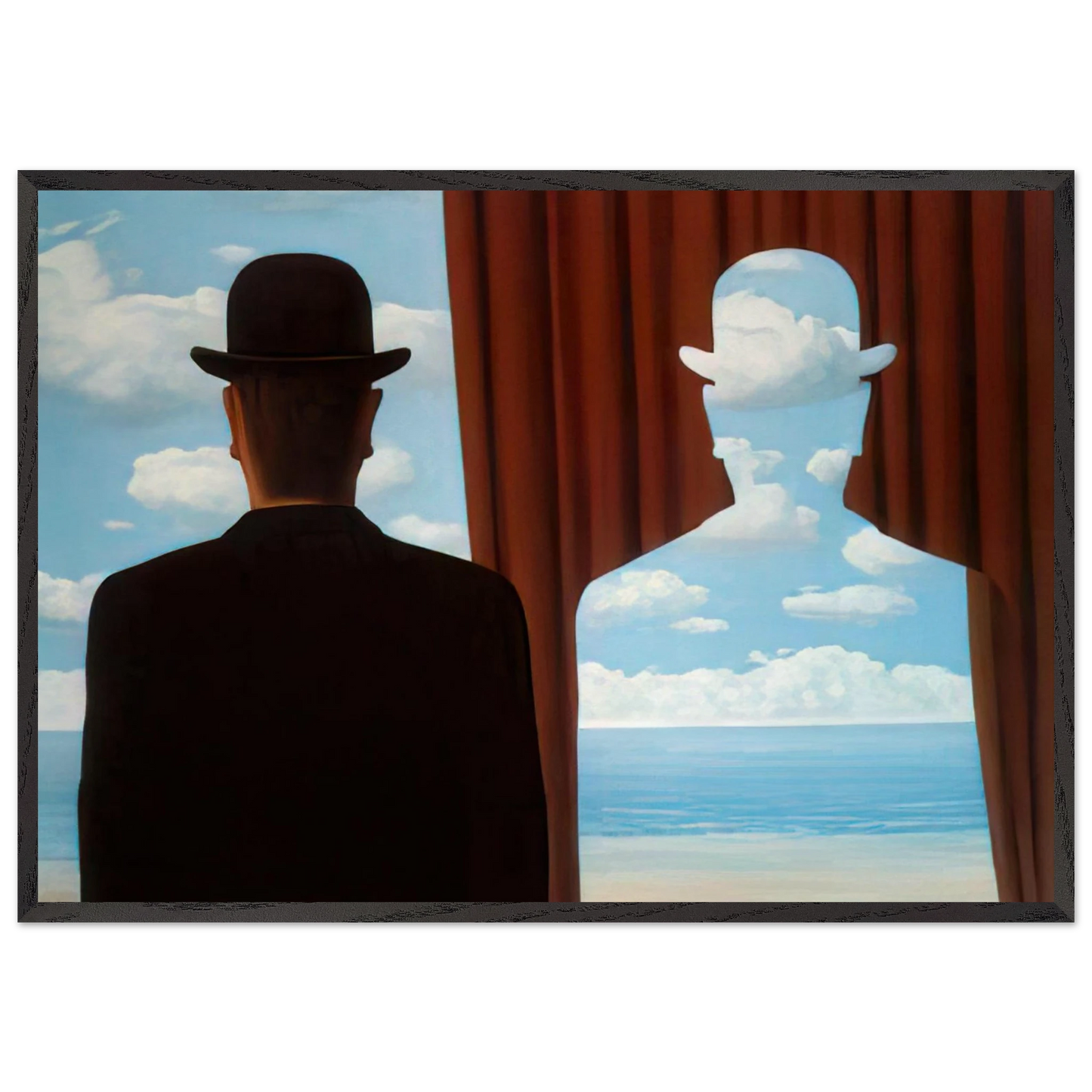
DECALCOMANIA 1966 - Rene Magritte 70x100 cm / 28x40 inches Framed Art Print – Black Wooden Frame
DECALCOMANIA 1966 - Rene Magritte 70x100 cm / 28x40 inches Framed Art Print – Black Wooden Frame
Couldn't load pickup availability
René Magritte Decalcomania 1966 – Museum-Quality Art Print
Immerse yourself in the enigmatic world of Surrealism with this exquisite museum-quality art print of René Magritte's Decalcomania, created in 1966. This captivating piece, presented in a sophisticated Black Wooden Frame, offers a unique opportunity to own a tangible piece of art history. RedKalion is proud to offer this fine art print, meticulously reproduced to capture the depth and mystery of Magritte's original vision.
Decalcomania exemplifies Magritte's signature style, playing with perception and reality to create a dreamlike atmosphere. The artwork features two figures, one facing away and the other facing forward, their forms seemingly merging or reflecting each other in an uncanny manner, a characteristic exploration of identity and perception that defined Magritte's oeuvre. This print is a testament to the artist's genius in subverting everyday imagery into profound visual puzzles.
Our museum-quality reproductions are crafted with the utmost attention to detail. The print is rendered on 250 gsm (110 lb) archival, matte, uncoated, natural white paper with a thickness of 0.29 mm (11.4 mils), ensuring vibrant colors and exceptional longevity. The paper is FSC-certified, reflecting our commitment to sustainability. Each print is protected by shatterproof plexiglass and arrives ready-to-hang with an included hanging kit.
The frame itself is constructed from responsibly sourced oak and ash wood, featuring a substantial 20mm (0.79") width and thickness, providing a premium finish that complements the artwork beautifully. Elevate your space with an archival masterpiece that endures, bringing the intellectual intrigue of René Magritte into your home or office.
- Artist: René Magritte
- Artwork: Decalcomania, 1966
- Print Type: Museum-Quality Fine Art Print
- Frame: Black Wooden Frame (Responsibly Sourced Oak & Ash, 20mm thick/wide)
- Paper: 250 gsm, Matte, Uncoated, Natural White Archival Paper (FSC-certified)
- Protection: Shatterproof Plexiglass
- Dimensions: 70x100 cm / 28x40 inches
- Ready-to-Hang: Includes hanging kit
Discover Unlimited Art Possibilities
At RedKalion, you can find virtually any artwork from any artist, available in a wide range of sizes to perfectly match your space.
If you didn’t find what you’re looking for, contact us at support@redkalion.com . We will source any artwork and produce it in any size and format you need, including art prints, posters, canvas, framed pieces, framed canvas, and more.
For dedicated art enthusiasts, we also offer handcrafted replicas of any artwork, carefully painted by highly skilled artists using traditional techniques.
For custom requests, contact us at support@redkalion.com .
What is the artwork featured in this print?
This is a museum-quality fine art print of René Magritte's iconic Surrealist painting, Decalcomania, originally created in 1966.
What are the dimensions of the print and frame?
The artwork print measures 70x100 cm (28x40 inches). The frame is made from responsibly sourced oak and ash wood and is 20mm (0.79 inches) thick and wide.
What type of paper is used for this art print?
The print is on 250 gsm (110 lb) archival, matte, uncoated, natural white museum-quality paper, 0.29 mm thick, ensuring exceptional longevity and a sophisticated finish.
Is the print ready to hang upon arrival?
Yes, this fine art print comes with an included hanging kit, making it ready-to-hang straight out of the package to adorn your walls immediately.
How long will this archival print last?
Utilizing museum-quality, archival paper and protective plexiglass, this fine art reproduction is designed for exceptional longevity, preserving the integrity of Magritte's vision for decades.
What is the significance of "Decalcomania" in Magritte's work?
In Magritte's context, "Decalcomania" refers to a technique of transferring images, but he used the term to explore themes of self-reflection, doubled identities, and the uncanny mirroring of reality and perception.
Can you tell me more about René Magritte's style in 1966?
By 1966, Magritte was firmly established in his mature Surrealist style, consistently challenging viewers' perceptions with his juxtaposition of ordinary objects in extraordinary contexts and explorations of the visible versus the invisible.