RedKalion
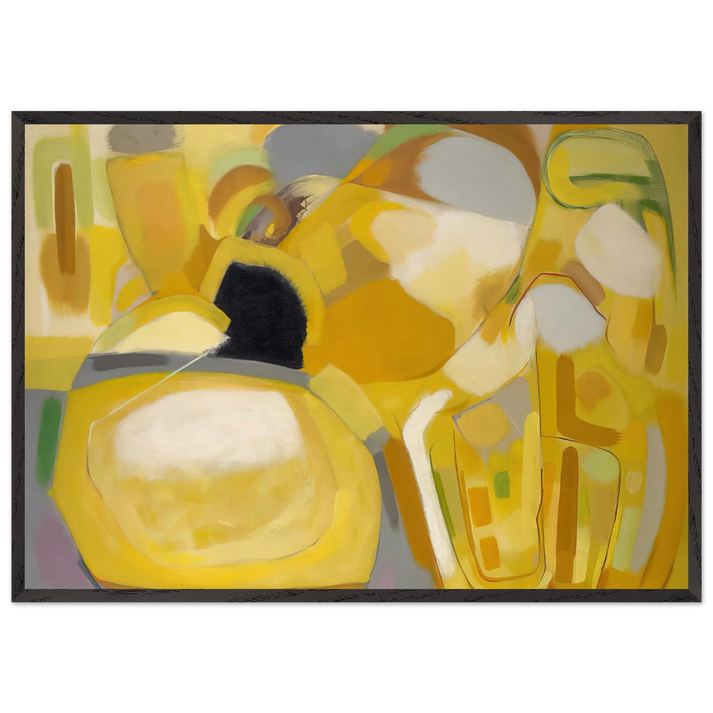
Desert Landscape - 1951 - John Ferren 70x100 cm / 28x40 inches Framed Art Print – Black Wooden Frame
Desert Landscape - 1951 - John Ferren 70x100 cm / 28x40 inches Framed Art Print – Black Wooden Frame
Couldn't load pickup availability
Desert Landscape - 1951 - John Ferren 70x100 cm / 28x40 inches Framed Art Print
Immerse yourself in the arid majesty of John Ferren's 'Desert Landscape,' a seminal work from 1951. This museum-quality reproduction captures the raw, textured beauty of the American Southwest as interpreted by Ferren, a prominent figure in abstract expressionism who also explored more representational themes. The original artwork, known for its evocative use of color and form to convey the vastness and starkness of the desert, is masterfully translated to this fine art print.
RedKalion is proud to present this archival masterpiece, meticulously crafted for discerning collectors. The print itself is produced on a substantial 250 gsm (110 lb) matte, uncoated, natural white paper, measuring 0.29 mm (11.4 mils) in thickness – an ideal substrate for preserving the nuanced tones and details of Ferren's vision. This paper is FSC-certified, ensuring sustainable sourcing.
This exceptional 'Desert Landscape - 1951 - John Ferren' print comes expertly framed in a 20mm (0.79") thick and wide frame made from responsibly sourced oak and ash wood, offering a more robust and contemporary look than standard frames. The artwork is protected by shatterproof plexiglass, ensuring clarity and durability. The framed print is ready-to-hang, complete with a hanging kit, allowing you to effortlessly elevate your space with this significant piece of mid-century American art.
Art Print Specifications:
- Artwork: Desert Landscape - 1951
- Artist: John Ferren
- Print Size: 70x100 cm / 28x40 inches
- Paper: 250 gsm (110 lb) weight, 0.29 mm (11.4 mils) thickness, matte, uncoated, natural white, archival museum-quality paper, FSC-certified.
- Frame: 20mm (0.79") thick and wide, made from responsibly sourced oak and ash wood.
- Protection: Shatterproof plexiglass.
- Orientation: Landscape
- Ready-to-Hang: Includes hanging kit.

Discover Unlimited Art Possibilities
At RedKalion, you can find virtually any artwork from any artist, available in a wide range of sizes to perfectly match your space.
If you didn’t find what you’re looking for, contact us at support@redkalion.com . We will source any artwork and produce it in any size and format you need, including art prints, posters, canvas, framed pieces, framed canvas, and more.
For dedicated art enthusiasts, we also offer handcrafted replicas of any artwork, carefully painted by highly skilled artists using traditional techniques.
For custom requests, contact us at support@redkalion.com .
What is the artwork depicted in this framed print?
This museum-quality print features John Ferren's 1951 painting, 'Desert Landscape,' showcasing his interpretation of the arid American Southwest.
What are the dimensions of the artwork and frame?
The art print measures 70x100 cm (28x40 inches). The frame is 20mm (0.79 inches) thick and wide, adding to the overall presentation of this fine art reproduction.
What type of paper is used for this fine art print?
The print utilizes archival, museum-quality paper with a substantial 250 gsm (110 lb) weight and 0.29 mm thickness. It is matte, uncoated, natural white, and FSC-certified for sustainability.
What material is the frame made from, and is it sustainable?
The frame is crafted from responsibly sourced oak and ash wood, featuring a robust 20mm (0.79") thickness and width. All materials are chosen for longevity and environmental consideration.
How is the print protected, and is it ready to hang?
The print is protected by shatterproof plexiglass. This framed art print comes complete with a hanging kit, making it ready to hang directly upon arrival.
What is the historical significance of John Ferren's 'Desert Landscape'?
Painted in 1951, 'Desert Landscape' reflects John Ferren's exploration of American landscapes during a period of significant artistic development, bridging abstraction and representation.
Can you tell me more about John Ferren's artistic style in this period?
In 1951, John Ferren was exploring various stylistic avenues, often influenced by abstract expressionism but retaining a connection to representational subject matter, as seen in 'Desert Landscape.'