RedKalion
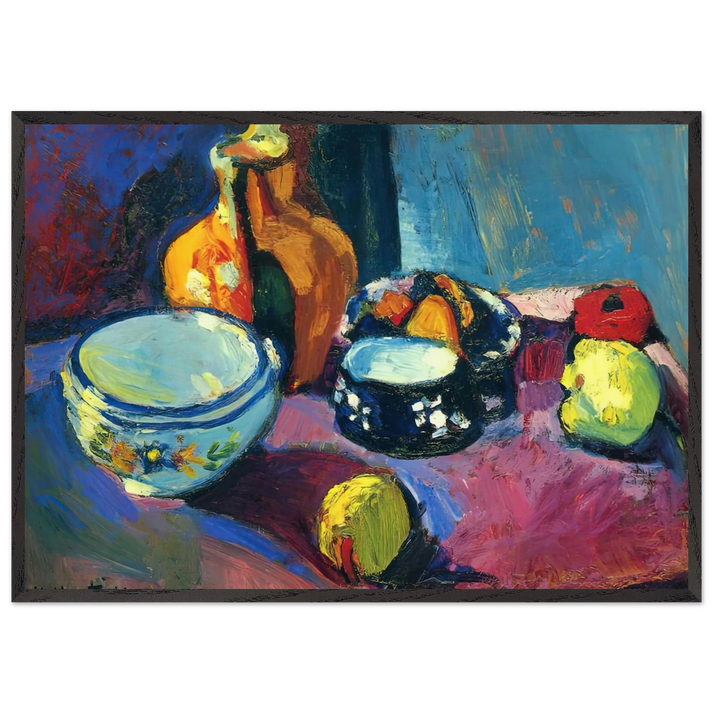
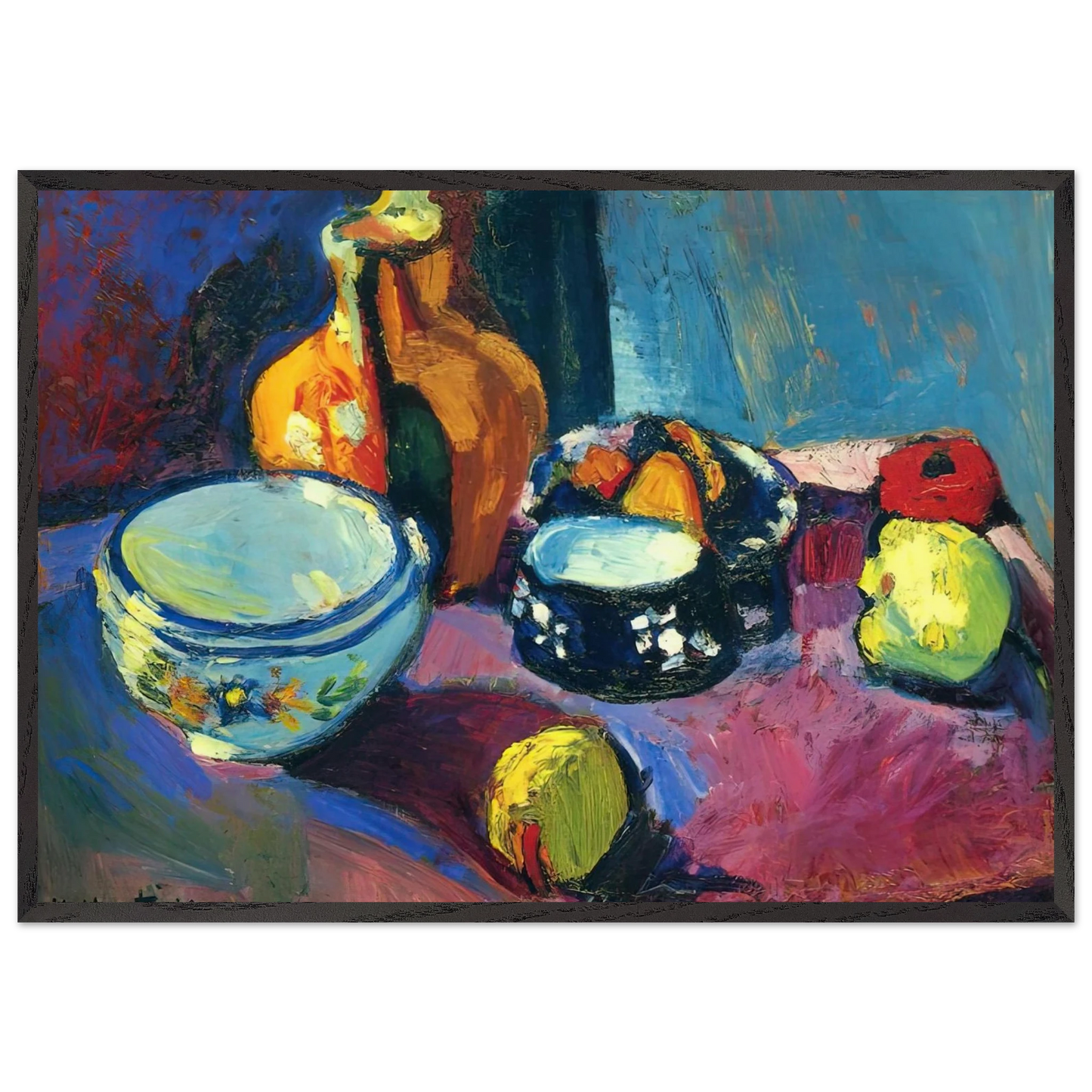
DISHES AND FRUIT ON A RED AND BLACK CARPET 1901 - Henri Matisse 70x100 cm / 28x40 inches Framed Art Print – Black Wooden Frame
DISHES AND FRUIT ON A RED AND BLACK CARPET 1901 - Henri Matisse 70x100 cm / 28x40 inches Framed Art Print – Black Wooden Frame
Couldn't load pickup availability
DISHES AND FRUIT ON A RED AND BLACK CARPET 1901 - Henri Matisse | Museum-Quality Fine Art Print
Immerse yourself in the bold early explorations of Henri Matisse with this striking museum-quality fine art print of Dishes and Fruit on a Red and Black Carpet, created in 1901. This exceptional reproduction captures the nascent Fauvist spirit that would soon define Matisse's groundbreaking career. The composition, characterized by its vibrant interplay of color and pattern, showcases Matisse's early fascination with decorative elements and simplified forms. This powerful piece is an ideal addition for collectors seeking to own a tangible connection to the dawn of modern art.
Each Henri Matisse art print from RedKalion is meticulously crafted on 250 gsm (110 lb) matte, uncoated, natural white archival paper. This paper, with a substantial thickness of 0.29 mm (11.4 mils), is specifically chosen for its ability to render rich colors and fine details, ensuring longevity and a tactile, museum-grade feel. The print is protected by shatterproof plexiglass, offering clarity and durability.
Presented in a ready-to-hang format, this framed art print features a substantial 20mm (0.79") thick and wide frame crafted from responsibly sourced oak and ash wood, providing a more robust and visually impactful presence than standard frames. The inclusion of a hanging kit ensures immediate display. Elevate your space with an archival masterpiece that endures, a testament to Matisse's revolutionary vision.
- Artist: Henri Matisse
- Artwork: Dishes and Fruit on a Red and Black Carpet, 1901
- Print Type: Museum-Quality Fine Art Reproduction
- Paper: 250 gsm, Matte, Uncoated, Archival
- Frame: Responsibly Sourced Oak/Ash Wood, 20mm thickness
- Protection: Shatterproof Plexiglass
- Ready-to-Hang: Includes hanging kit
Discover Unlimited Art Possibilities
At RedKalion, you can find virtually any artwork from any artist, available in a wide range of sizes to perfectly match your space.
If you didn’t find what you’re looking for, contact us at support@redkalion.com . We will source any artwork and produce it in any size and format you need, including art prints, posters, canvas, framed pieces, framed canvas, and more.
For dedicated art enthusiasts, we also offer handcrafted replicas of any artwork, carefully painted by highly skilled artists using traditional techniques.
For custom requests, contact us at support@redkalion.com .
What is "DISHES AND FRUIT ON A RED AND BLACK CARPET 1901" by Henri Matisse?
This is an early still life by Henri Matisse from 1901, showcasing his bold use of color and pattern, hinting at the Fauvist movement he would later pioneer.
What are the specifications of the fine art paper used for this print?
The print is on 250 gsm, matte, uncoated, natural white archival museum-quality paper, 0.29 mm thick, perfect for a rich, lasting fine art experience.
How is the artwork framed and protected?
It's framed in 20mm thick oak/ash wood with shatterproof plexiglass, offering durability and a museum-quality finish.
Is the print ready to hang upon arrival?
Yes, each framed art print comes with a pre-attached hanging kit, making it ready to display straight out of the packaging.
What is the significance of the materials used for longevity?
We use archival, FSC-certified paper and durable frames to ensure your Matisse reproduction maintains its integrity and visual appeal for generations.
What artistic period does this Matisse piece represent?
Created in 1901, this work represents Matisse's early stylistic development, preceding the peak of Fauvism but demonstrating his experimental approach to color and form.
How does this artwork reflect Matisse's evolving style?
It showcases Matisse's early interest in bold color contrasts and decorative patterns, laying the groundwork for his later, more radical explorations in Fauvism and beyond.