RedKalion
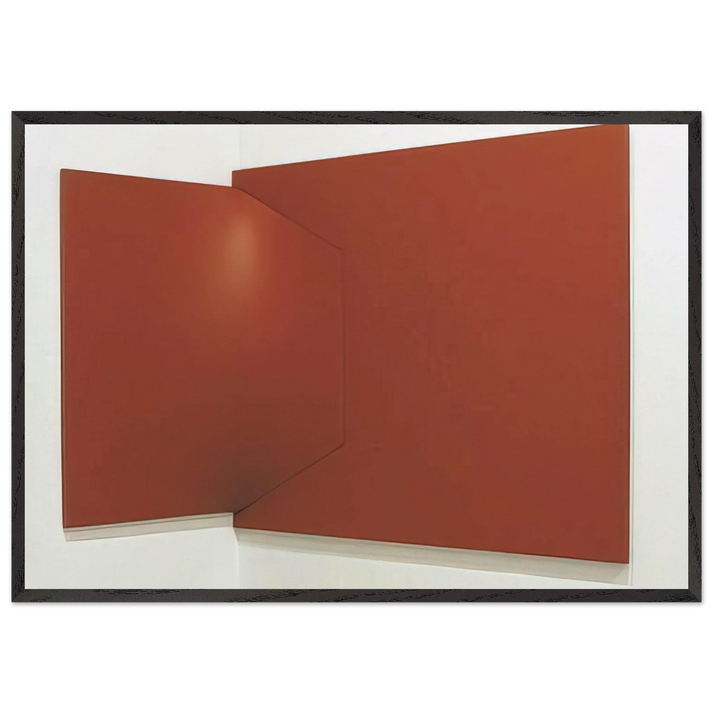
Dittico rosso - 1966 - Enrico Castellani 70x100 cm / 28x40 inches Framed Art Print – Black Wooden Frame
Dittico rosso - 1966 - Enrico Castellani 70x100 cm / 28x40 inches Framed Art Print – Black Wooden Frame
Couldn't load pickup availability
Dittico rosso - 1966 - Enrico Castellani 70x100 cm / 28x40 inches Framed Art Print
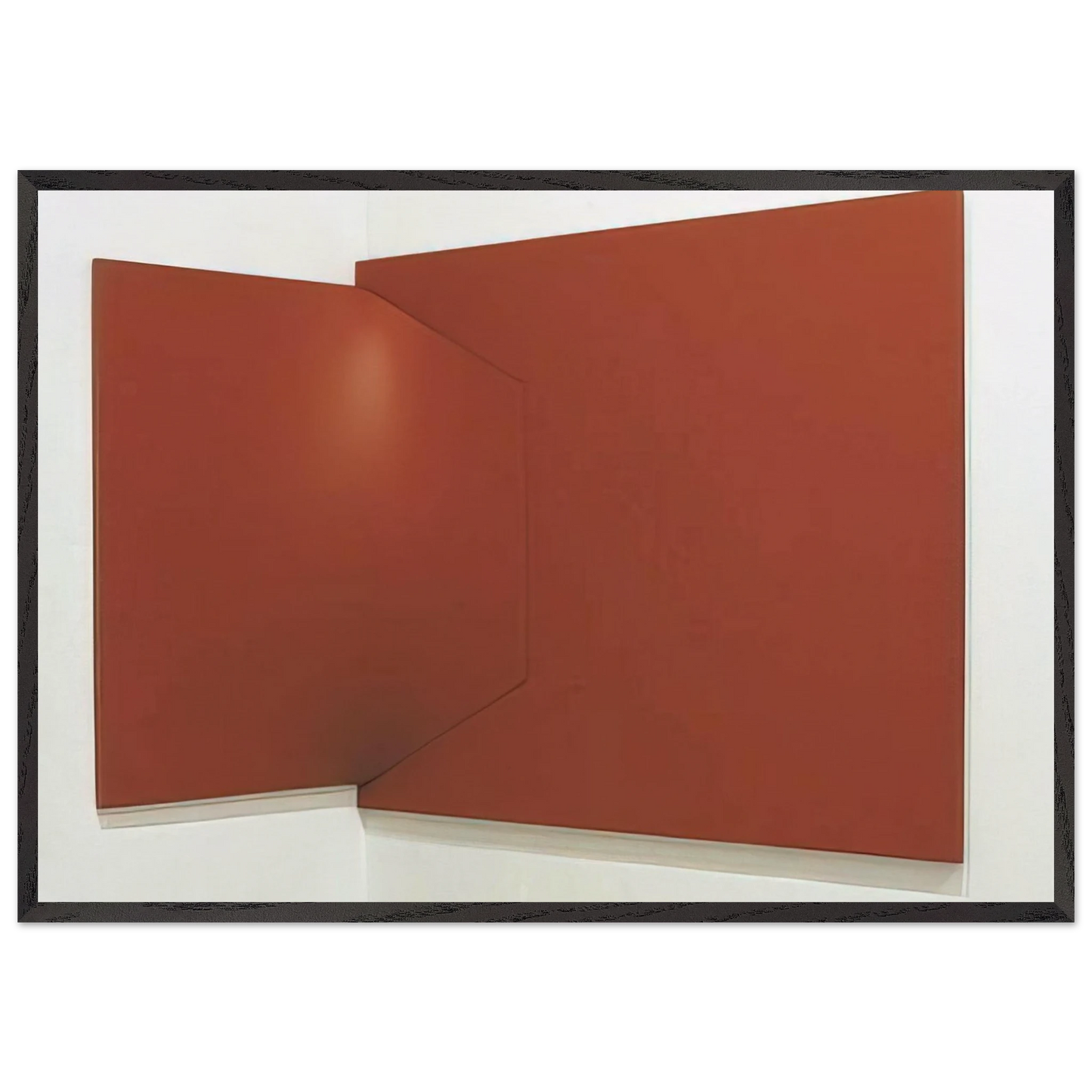
Elevate your space with a museum-quality reproduction of Enrico Castellani's seminal work, "Dittico rosso," from 1966. This striking piece exemplifies Castellani's pioneering approach to shaped canvases and his exploration of geometric form and spatial depth. As a leading figure of the Spatialism movement, Castellani's "Dittico rosso" engages the viewer with its dynamic interplay of color and surface tension, making it a significant addition to any art collection.
This fine art print is meticulously crafted on 250 gsm (110 lb) matte, uncoated, natural white archival paper, chosen for its superior texture and longevity. The paper's substantial thickness (0.29 mm / 11.4 mils) ensures a tactile and luxurious feel, characteristic of museum-grade reproductions. Protected by shatterproof plexiglass, this artwork is designed to maintain its vibrancy and integrity for generations.
Presented in a sleek black wooden frame made from responsibly sourced oak and ash, this 70x100 cm (28x40 inches) framed art print is ready to hang. The frame's robust dimensions—20mm (0.79") thick and wide—provide a substantial and elegant border that complements the artwork without overpowering it. Each print is accompanied by a hanging kit, ensuring effortless installation.
RedKalion is dedicated to curating and delivering archival masterpieces. Our commitment to using FSC-certified materials and state-of-the-art printing techniques ensures that you receive a reproduction that honors the original artwork's spirit and quality. Experience the enduring power of Enrico Castellani's "Dittico rosso" in your home or office, a testament to mid-century avant-garde art.
Discover Unlimited Art Possibilities
At RedKalion, you can find virtually any artwork from any artist, available in a wide range of sizes to perfectly match your space.
If you didn’t find what you’re looking for, contact us at support@redkalion.com . We will source any artwork and produce it in any size and format you need, including art prints, posters, canvas, framed pieces, framed canvas, and more.
For dedicated art enthusiasts, we also offer handcrafted replicas of any artwork, carefully painted by highly skilled artists using traditional techniques.
For custom requests, contact us at support@redkalion.com .
What is the artwork "Dittico rosso - 1966" by Enrico Castellani?
"Dittico rosso" is a 1966 artwork by Enrico Castellani, a key figure in Spatialism, known for his shaped canvases and exploration of surface and space. This print is a museum-quality reproduction.
What are the dimensions and framing details of this print?
The framed art print measures 70x100 cm (28x40 inches). It features a 20mm (0.79") thick and wide black wooden frame made from responsibly sourced oak and ash.
What type of paper is used for this fine art print?
This high-quality print utilizes 250 gsm (110 lb) matte, uncoated, natural white archival paper with a thickness of 0.29 mm (11.4 mils), ideal for fine art reproductions.
How is the artwork protected and prepared for display?
The print is protected by shatterproof plexiglass. It comes ready-to-hang with an included hanging kit for immediate wall display.
What makes this print archival and sustainable?
It is printed on sustainable, FSC-certified paper. The archival quality ensures longevity, while the materials meet high standards for responsible sourcing and durability.
Tell me more about Enrico Castellani's artistic style.
Castellani was a pioneer of Spatialism, famous for his "monochromatic" canvases with surface-based protrusions and indentations, creating a unique spatial effect.
What is the significance of the "rosso" (red) in the title?
The title "Dittico rosso" translates to "Red Diptych," indicating the artwork's composition as two panels and its dominant red color palette, characteristic of Castellani's bold use of color.