RedKalion
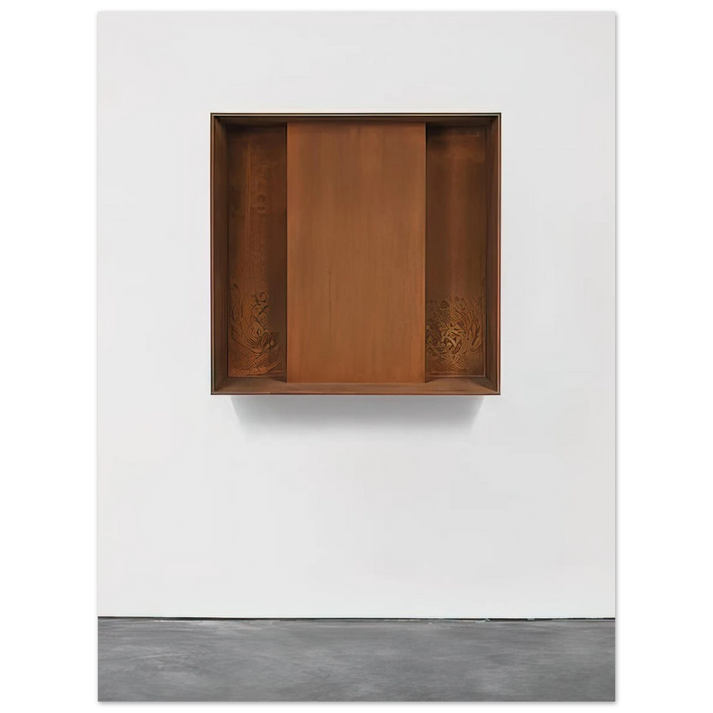
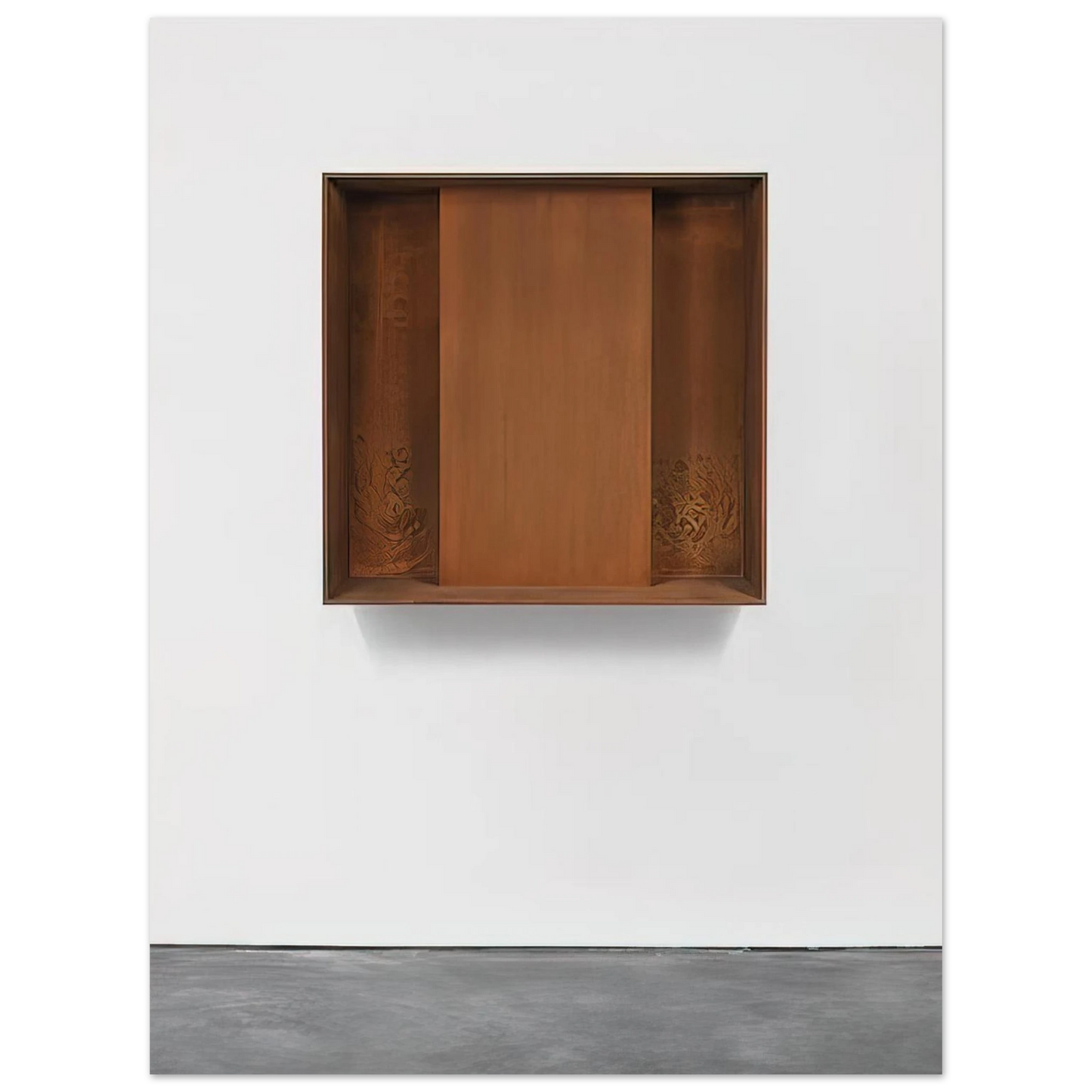
Donald Judd - Untitled JUDDO0510 - 1989 75x100 cm / 30x40inches Fine Art Poster
Donald Judd - Untitled JUDDO0510 - 1989 75x100 cm / 30x40inches Fine Art Poster
Couldn't load pickup availability
Donald Judd - Untitled (JUDDO0510), 1989 - A Masterpiece of Minimalist Art
Immerse yourself in the profound simplicity of Donald Judd's Untitled (JUDDO0510), a commanding 1989 work that exemplifies the artist's pioneering approach to Minimalism. This museum-quality print captures the essence of Judd's rigorous exploration of form, space, and material, translating his iconic aesthetic into a tangible art experience for your home or office.
Donald Judd (1928-1994) is celebrated for his departure from traditional sculpture, advocating for 'specific objects' that occupied their own space without illusion or representation. His precise geometric forms and serial arrangements challenged the viewer's perception of art, emphasizing material honesty and industrial fabrication. This particular piece, Untitled (JUDDO0510), showcases Judd's mastery in manipulating simple volumes to create complex spatial dialogues. Its clean lines and inherent material presence make it a quintessential example of late 20th-century abstract art.
RedKalion is proud to present this fine art poster as a museum-quality reproduction, meticulously crafted for discerning collectors. Each print is rendered on Master's Edition archival paper, a substantial 250 gsm (110 lb) paper with a thickness of 0.29 mm (11.4 mils). This premium, uncoated, natural white paper offers a luxurious matte finish, providing an exceptional tactile quality and a subtle elegance that honors the original artwork. Our commitment to archival integrity ensures that your print is acid-free (pH above 7), guaranteeing its longevity and resistance to yellowing, so your investment remains vibrant for generations. Printed on FSC-certified paper, this reproduction supports sustainable forestry practices.
Elevate your space with an archival masterpiece that endures. This museum-quality print of Donald Judd's Untitled (JUDDO0510) is produced on demand, ensuring the highest standards of quality and care.
- Artwork: Untitled (JUDDO0510)
- Artist: Donald Judd
- Year: 1989
- Dimensions: 75x100 cm / 30x40 inches
- Print Type: Museum-Quality Fine Art Print
- Paper: Master's Edition Archival Paper, 250 gsm (110 lb), Matte, Uncoated, Natural White
- Features: Acid-Free, FSC-Certified
Discover Unlimited Art Possibilities
At RedKalion, you can find virtually any artwork from any artist, available in a wide range of sizes to perfectly match your space.
If you didn’t find what you’re looking for, contact us at support@redkalion.com . We will source any artwork and produce it in any size and format you need, including art prints, posters, canvas, framed pieces, framed canvas, and more.
For dedicated art enthusiasts, we also offer handcrafted replicas of any artwork, carefully painted by highly skilled artists using traditional techniques.
For custom requests, contact us at support@redkalion.com .
What is this artwork?
This is a museum-quality fine art print of Donald Judd's 'Untitled (JUDDO0510),' created in 1989. It measures 75x100 cm (30x40 inches) and represents Judd's signature minimalist aesthetic.
What paper is used for this fine art print?
This archival print uses Master's Edition paper, a premium, uncoated, natural white stock. It boasts a substantial 250 gsm (110 lb) weight and a matte finish for a luxurious feel.
How long will this print last?
The print is produced on acid-free (pH > 7) archival paper. This ensures it resists yellowing and degradation over time, preserving the artwork's integrity for decades.
What are the physical specifications of the print?
The print is on 250 gsm (110 lb) archival paper, 0.29 mm (11.4 mils) thick, with a matte, uncoated, natural white finish. It's acid-free and FSC-certified.
How is the print produced and shipped?
Each museum-quality reproduction is printed and shipped on demand. This allows for meticulous quality control and ensures your artwork is handled with care.
What is the significance of Donald Judd's work?
Donald Judd was a key figure in Minimalism, known for his 'specific objects' that emphasize material and form, challenging traditional notions of sculpture and art.
What is the aesthetic appeal of 'Untitled (JUDDO0510)'?
This 1989 artwork embodies Judd's precise geometric forms and serial arrangements, offering a powerful visual statement through simple volumes and spatial exploration.