

RedKalion
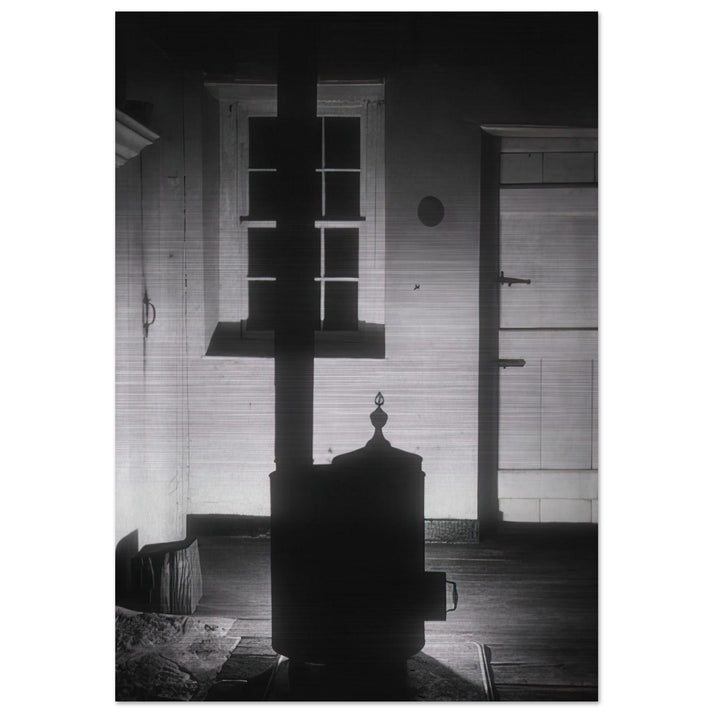
Doylestown House—The Stove - 1917 - Charles Sheeler Brushed Aluminum Print - 70x100 cm / 28x40 inches | Charles Sheeler Aluminum Print | Charles Sheeler Prints
Doylestown House—The Stove - 1917 - Charles Sheeler Brushed Aluminum Print - 70x100 cm / 28x40 inches | Charles Sheeler Aluminum Print | Charles Sheeler Prints
Couldn't load pickup availability
Doylestown House—The Stove (1917) by Charles Sheeler - Museum-Quality Brushed Aluminum Print
Immerse yourself in the precision and iconic aesthetic of American modernism with this museum-quality fine art print of Charles Sheeler's Doylestown House—The Stove. Created in 1917, this striking image captures Sheeler's fascination with industrial forms and geometric abstraction, translating the utilitarian into a study of light, shadow, and form. This Charles Sheeler print is a testament to his pioneering vision, often associated with the Precisionism movement.
This exceptional reproduction is rendered on a 3mm thick Brushed Silver Aluminum DIBOND® panel, featuring a dynamic horizontal grain that enhances its contemporary appeal. The direct print onto the AluDibond substrate ensures vivid color reproduction and a sophisticated matte finish. Unprinted white areas of the artwork will beautifully reveal the metallic silver base, creating a unique depth and luminous quality, particularly striking for black-and-white designs.
Key Features:
- Artwork: Doylestown House—The Stove by Charles Sheeler
- Style: Precisionism, American Modernism
- Material: 3mm Brushed Silver Aluminum DIBOND® with horizontal grain
- Finish: Matte, glare-free
- Print Technology: Direct print on AluDibond
- Dimensions: 70x100 cm / 28x40 inches
- Included: Hanging kit for easy installation
Elevate your space with an archival masterpiece that endures, celebrating the sharp lines and compelling compositions of Charles Sheeler. This Charles Sheeler print is more than decor; it's a piece of art history, meticulously reproduced for discerning collectors.


Discover Unlimited Art Possibilities
At RedKalion, you can find virtually any artwork from any artist, available in a wide range of sizes to perfectly match your space.
If you didn’t find what you’re looking for, contact us at support@redkalion.com . We will source any artwork and produce it in any size and format you need, including art prints, posters, canvas, framed pieces, framed canvas, and more.
For dedicated art enthusiasts, we also offer handcrafted replicas of any artwork, carefully painted by highly skilled artists using traditional techniques.
For custom requests, contact us at support@redkalion.com .
What is Doylestown House—The Stove by Charles Sheeler?
This 1917 artwork by Charles Sheeler, titled 'Doylestown House—The Stove,' is a significant piece of American Precisionism, focusing on geometric abstraction and industrial forms.
What material is the Charles Sheeler print made from?
This fine art print is produced on 3mm thick Brushed Silver Aluminum DIBOND® with a horizontal grain, offering a unique metallic finish and a durable, rigid base.
What is the printing and finish of this reproduction?
It features a direct print on AluDibond for vivid colors and a matte, glare-free finish. Unprinted white areas reveal a striking brushed silver metallic effect.
How is this Charles Sheeler reproduction mounted and shipped?
A hanging kit is included for easy installation. Shipping logistics vary by fulfillment country, ensuring secure delivery of your museum-quality print.
How long is the archival longevity of this Aluminum DIBOND® print?
Prints on AluDibond are known for their durability and resistance to fading, providing lasting archival quality for your fine art investment.
What is the significance of Charles Sheeler's Doylestown House—The Stove?
It exemplifies Sheeler's Precisionist style, transforming everyday objects like a stove into subjects of formal, abstract beauty, reflecting the machine age.
What is the artistic movement associated with Charles Sheeler?
Charles Sheeler is prominently associated with the Precisionism movement, characterized by its clean lines, geometric forms, and often depicting industrial or architectural subjects.