
RedKalion
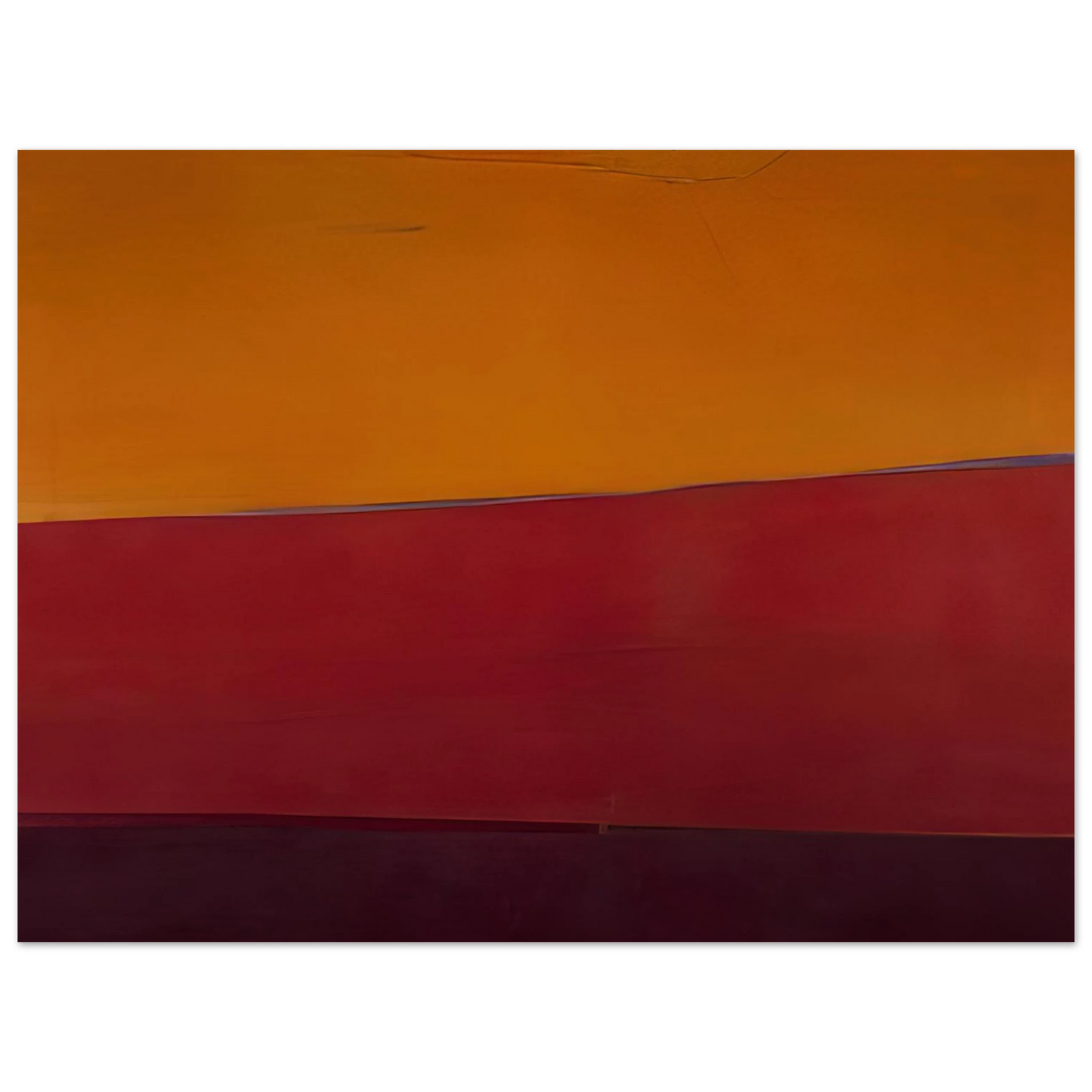
Edward Corbett - Washington D.C. December 1964 #10 I - 1964 75x100 cm / 30x40inches Fine Art Poster
Edward Corbett - Washington D.C. December 1964 #10 I - 1964 75x100 cm / 30x40inches Fine Art Poster
Couldn't load pickup availability
Edward Corbett - Washington D.C. December 1964 #10 I - 1964 | Museum-Quality Fine Art Print
Immerse yourself in the evocative atmosphere of mid-century America with this striking museum-quality fine art print of Edward Corbett's "Washington D.C. December 1964 #10 I." Created in 1964, this powerful image captures a specific moment in time, offering a unique perspective on the nation's capital during a pivotal era.
Edward Corbett, a photographer known for his keen eye for composition and mood, brings us a compelling visual narrative. This particular piece, "Washington D.C. December 1964 #10 I," showcases Corbett's mastery in freezing transient moments, transforming them into enduring works of art. The composition and subject matter invite contemplation, making it an ideal addition to any discerning art collection.
At RedKalion, we pride ourselves on delivering exceptional reproductions that honor the integrity of the original artwork. This fine art poster is meticulously printed on Master's Edition archival paper, a premium, museum-quality stock chosen for its luxurious matte, uncoated, natural white finish. The substantial 250 gsm (110 lb) weight and 0.29 mm (11.4 mils) thickness provide a tangible sense of quality and permanence.
Ensuring the longevity of your investment, our prints are acid-free (pH above 7), preventing the yellowing and degradation common in lesser prints. This commitment to archival standards guarantees that your Edward Corbett reproduction will remain vibrant for generations. Furthermore, the paper is FSC-certified, reflecting our dedication to sustainable practices.
Elevate your space with an archival masterpiece that endures. This Edward Corbett print is produced on demand, ensuring that each piece is crafted with the utmost care and attention to detail, ready to be shipped directly to you.
- Artist: Edward Corbett
- Artwork: Washington D.C. December 1964 #10 I
- Year: 1964
- Dimensions: 75x100 cm / 30x40 inches
- Paper Type: Master's Edition Archival Paper, Museum-Quality
- Finish: Matte, Uncoated, Natural White
- Weight: 250 gsm (110 lb)
- Thickness: 0.29 mm (11.4 mils)
- Archival Quality: Acid-Free (pH > 7)
- Sustainability: FSC-Certified Paper
Discover Unlimited Art Possibilities
At RedKalion, you can find virtually any artwork from any artist, available in a wide range of sizes to perfectly match your space.
If you didn’t find what you’re looking for, contact us at support@redkalion.com . We will source any artwork and produce it in any size and format you need, including art prints, posters, canvas, framed pieces, framed canvas, and more.
For dedicated art enthusiasts, we also offer handcrafted replicas of any artwork, carefully painted by highly skilled artists using traditional techniques.
For custom requests, contact us at support@redkalion.com .
What is the artwork "Washington D.C. December 1964 #10 I"?
This is a museum-quality fine art print of a photograph by Edward Corbett, captured in Washington D.C. in December 1964. It reflects the era's atmosphere and the artist's distinctive style.
What type of paper is used for this Edward Corbett print?
The print is produced on Master's Edition archival paper. This museum-quality paper is uncoated, natural white, and has a matte finish for a luxurious feel.
What are the physical specifications of the print paper?
The paper is 250 gsm (110 lb) in weight and 0.29 mm (11.4 mils) thick, offering substantial quality and durability for this fine art reproduction.
How does RedKalion ensure the longevity of this archival print?
Our prints are acid-free (pH above 7) to prevent yellowing and degradation, ensuring the lasting vibrancy of this Edward Corbett masterpiece.
Is the paper used for this print sustainable?
Yes, the Master's Edition archival paper is FSC-certified, supporting responsible forest management and sustainable printing practices.
What is the historical context of Edward Corbett's "Washington D.C. December 1964 #10 I"?
The photograph captures Washington D.C. in 1964, a period of significant cultural and political change in the United States, reflecting Corbett's documentary style.
How does the matte, natural white finish enhance the artwork?
The uncoated, matte finish provides a sophisticated texture and prevents glare, allowing the subtle details and tones of Edward Corbett's "Washington D.C. December 1964 #10 I" to be fully appreciated.