
RedKalion
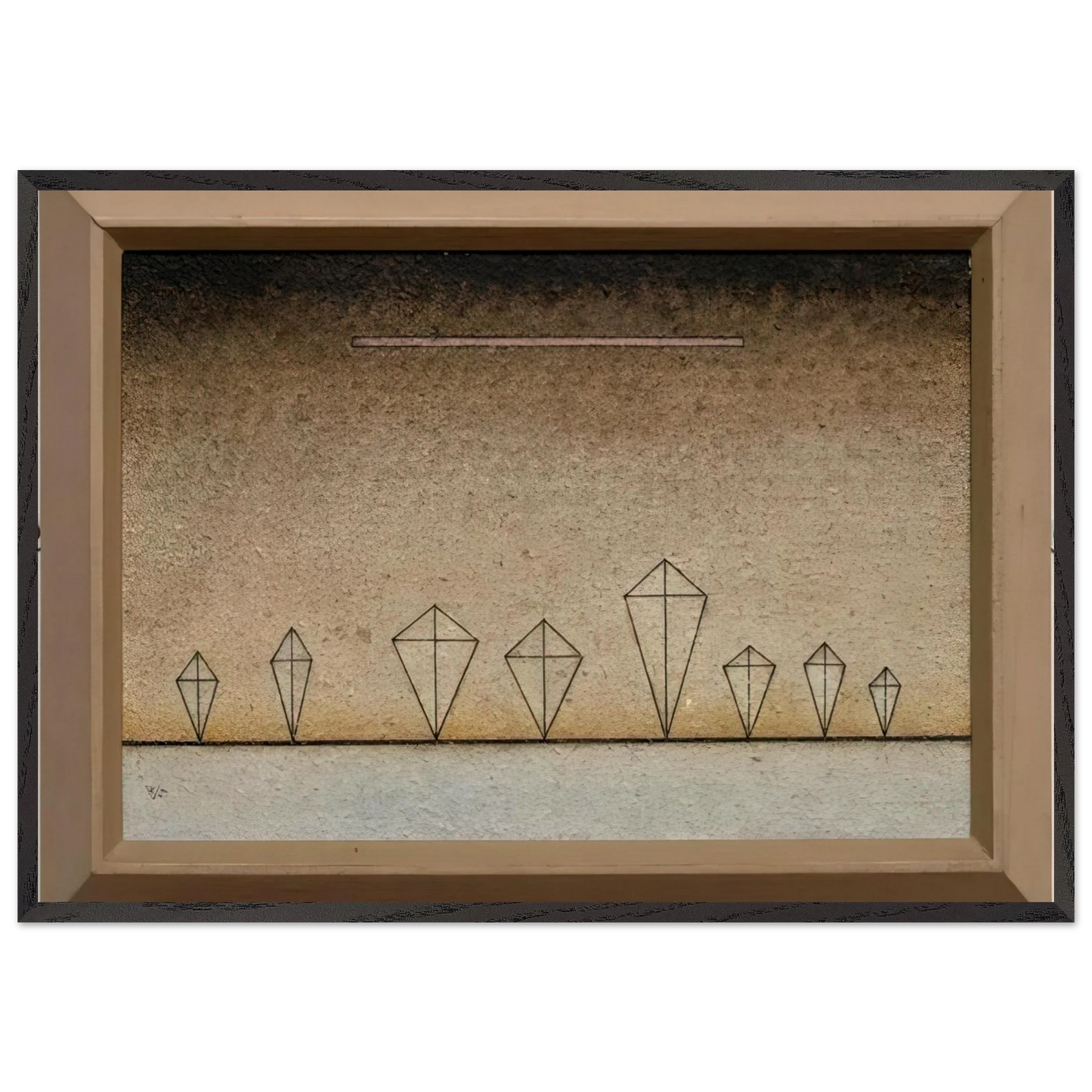
EIGHT TIMES 1929 - Wassily Kandinsky 70x100 cm / 28x40 inches Framed Art Print – Black Wooden Frame
EIGHT TIMES 1929 - Wassily Kandinsky 70x100 cm / 28x40 inches Framed Art Print – Black Wooden Frame
Couldn't load pickup availability
Wassily Kandinsky's EIGHT TIMES 1929: A Masterpiece of Abstract Expressionism
Immerse yourself in the vibrant world of Wassily Kandinsky with this museum-quality fine art print of his iconic 1929 masterpiece, "EIGHT TIMES 1929." Kandinsky, a pioneer of abstract art, masterfully employs color and form to evoke a sense of dynamic energy and spiritual depth, reflecting the Bauhaus era's influence on his work. This stunning reproduction captures the intricate interplay of shapes and hues that define Kandinsky's unique visual language, making it a captivating centerpiece for any discerning art collector.
RedKalion is proud to present this exceptional artwork as an archival-grade print, meticulously crafted to preserve the integrity and brilliance of the original. Each print is produced on premium, uncoated, natural white paper with a substantial weight of 250 gsm (110 lb) and a thickness of 0.29 mm (11.4 mils), ensuring a tactile and visually rich experience akin to owning a piece of art history.
Expertly framed in a sleek, 20mm (0.79") wide black frame made from responsibly sourced oak and ash wood, this piece is designed for immediate enjoyment. The frame is wider than the classic 14mm (0.55") standard, offering a more robust and contemporary presentation. Protected by shatterproof plexiglass, this artwork arrives ready-to-hang, complete with a hanging kit, allowing you to effortlessly elevate your space with a piece of profound artistic significance.
- Artist: Wassily Kandinsky
- Artwork: EIGHT TIMES 1929
- Print Size: 70x100 cm / 28x40 inches
- Frame: Black, 20mm (0.79") wide, sustainably sourced oak and ash
- Paper: 250 gsm (110 lb) matte, uncoated, natural white, archival museum-quality
- Protection: Shatterproof plexiglass
- Features: Ready-to-hang with included kit
Elevate your collection with this extraordinary Wassily Kandinsky "EIGHT TIMES 1929" framed art print, a testament to abstract art and archival printing excellence from RedKalion.
Discover Unlimited Art Possibilities
At RedKalion, you can find virtually any artwork from any artist, available in a wide range of sizes to perfectly match your space.
If you didn’t find what you’re looking for, contact us at support@redkalion.com . We will source any artwork and produce it in any size and format you need, including art prints, posters, canvas, framed pieces, framed canvas, and more.
For dedicated art enthusiasts, we also offer handcrafted replicas of any artwork, carefully painted by highly skilled artists using traditional techniques.
For custom requests, contact us at support@redkalion.com .
What is the artwork "EIGHT TIMES 1929" by Wassily Kandinsky?
"EIGHT TIMES 1929" is a seminal abstract artwork by Wassily Kandinsky, created during his influential Bauhaus period, showcasing his pioneering use of color and geometric forms to express inner spiritual states.
What are the specifications of the fine art print paper?
This museum-quality reproduction is printed on 250 gsm (110 lb), 0.29 mm (11.4 mils) thick, matte, uncoated, natural white archival paper, providing a superior tactile and visual art experience.
What is the frame made of and what are its dimensions?
The frame is constructed from responsibly sourced oak and ash wood, featuring a modern 20mm (0.79") width, offering a substantial and elegant presentation for your art print.
How is the print protected?
The artwork is protected by durable, shatterproof plexiglass, ensuring its longevity and clarity while safeguarding against potential damage.
Is the artwork ready to hang upon arrival?
Yes, this framed art print comes complete with a hanging kit, making it ready-to-hang straight out of the box for your immediate enjoyment.
What makes this paper archival and sustainable?
The paper is archival-grade for longevity and is FSC-certified or equivalent, ensuring it meets high standards for sustainable forest management.
Can you tell me more about Wassily Kandinsky's style in 1929?
In 1929, Kandinsky's work, influenced by the Bauhaus, increasingly featured geometric shapes, circles, and precise compositions, moving towards a more structured yet still profoundly expressive abstract language.