RedKalion
Electric lamp - 1913 - Natalia Goncharova Acrylic Print - 70x100 cm / 28x40″ inches | Natalia Goncharova Wall Art | Natalia Goncharova Prints
Electric lamp - 1913 - Natalia Goncharova Acrylic Print - 70x100 cm / 28x40″ inches | Natalia Goncharova Wall Art | Natalia Goncharova Prints
Couldn't load pickup availability
Natalia Goncharova: Electric Lamp (1913) - Museum-Quality Acrylic Print
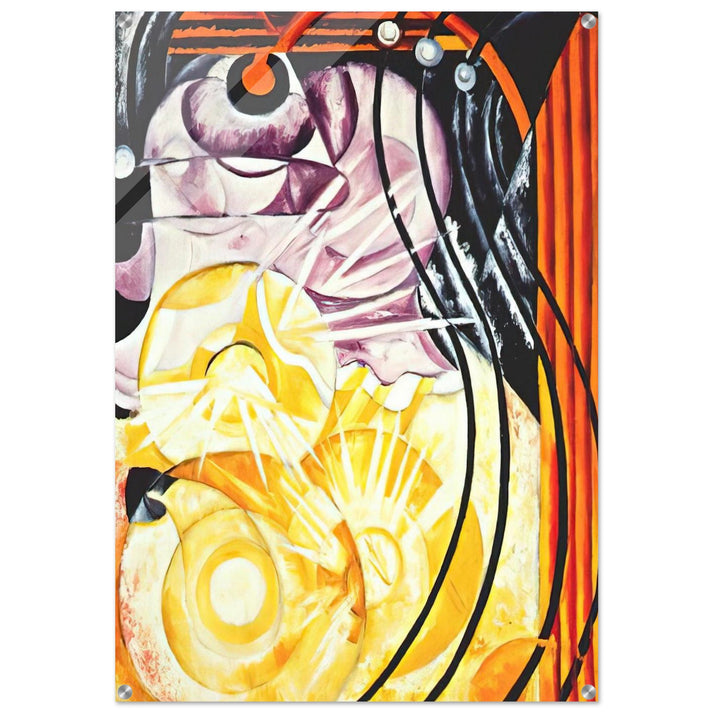
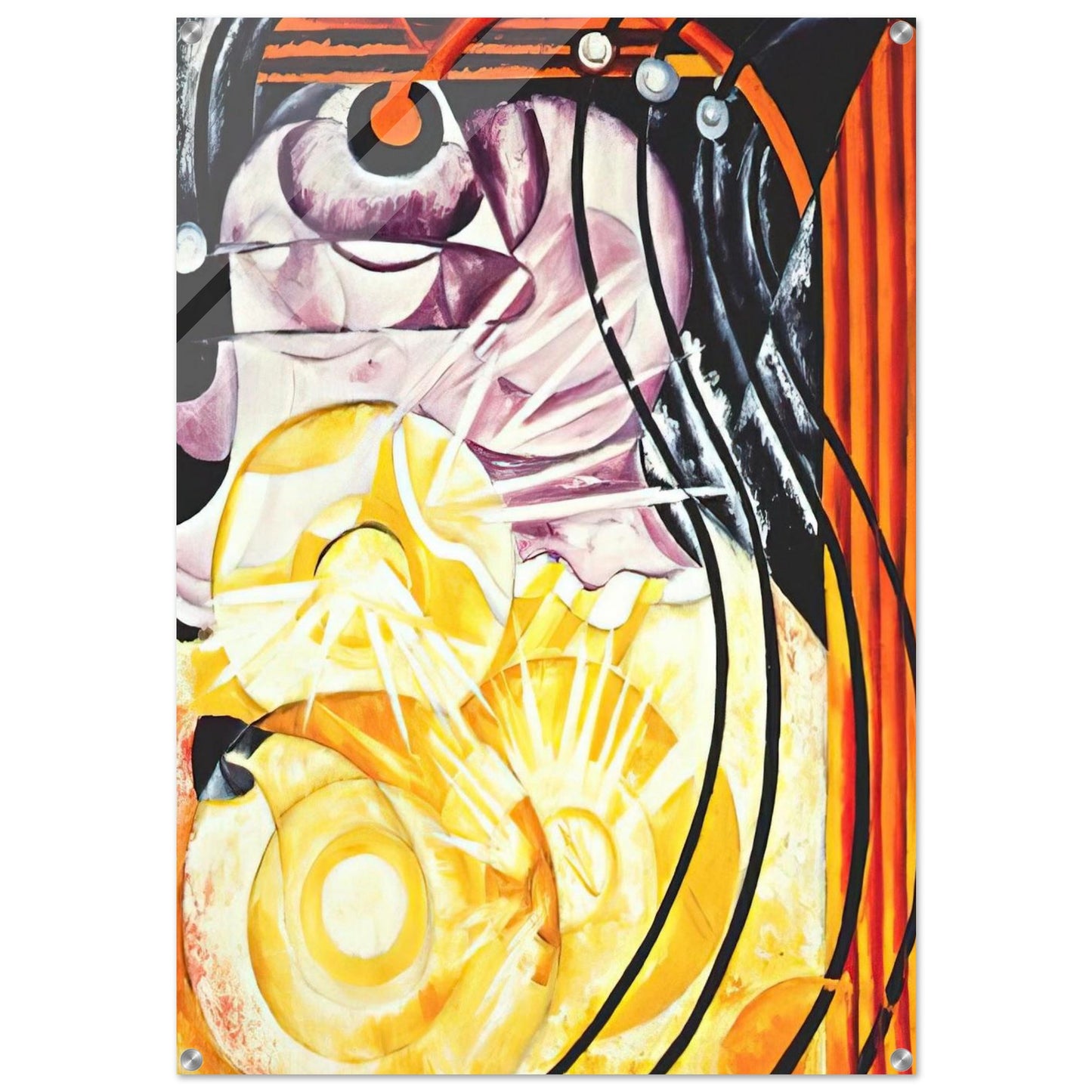
Immerse yourself in the vibrant energy of the early 20th century with this stunning museum-quality reproduction of Natalia Goncharova's iconic "Electric Lamp," created in 1913. Goncharova, a pioneering figure of Russian avant-garde art, masterfully captures the dynamism and modernity brought by industrial advancements. This striking composition, rendered on a durable 4mm (0.15") acrylic surface, offers a contemporary and visually captivating way to experience her revolutionary vision.
"Electric Lamp" exemplifies Goncharova's bold use of color and form, characteristic of her Futurist and Rayonist influences. The artwork, presented here as a fine art print, retains the original's intense visual impact, making it a powerful statement piece for any discerning collector. The inherent brilliance of the acrylic enhances the artwork's rich tones and sharp details, creating a luminous effect that draws the viewer in.
RedKalion is proud to offer this exceptional Natalia Goncharova wall art, meticulously crafted to preserve the integrity and spirit of the original masterpiece. Each print features a sleek, modern design with straight-cut corners, and the default transparent background is expertly rendered on a white base for optimal presentation. This archival-grade reproduction ensures lasting beauty and is ready to elevate your space with a touch of artistic history.
Product Features:
- Artwork: Electric Lamp (1913) by Natalia Goncharova
- Medium: Museum-Quality Acrylic Print
- Material: 4mm (0.15") durable acrylic
- Dimensions: 70x100 cm / 28x40 inches
- Finish: Vibrant, luminous, and scratch-resistant
- Design: Modern straight-cut corners
- Hanging: Includes a pre-installed, easy-to-use hanging kit
Discover Unlimited Art Possibilities
At RedKalion, you can find virtually any artwork from any artist, available in a wide range of sizes to perfectly match your space.
If you didn’t find what you’re looking for, contact us at support@redkalion.com . We will source any artwork and produce it in any size and format you need, including art prints, posters, canvas, framed pieces, framed canvas, and more.
For dedicated art enthusiasts, we also offer handcrafted replicas of any artwork, carefully painted by highly skilled artists using traditional techniques.
For custom requests, contact us at support@redkalion.com .
What is the artwork "Electric Lamp" by Natalia Goncharova?
"Electric Lamp" is a 1913 artwork by Natalia Goncharova, a key figure in Russian avant-garde art, known for her vibrant and modern compositions reflecting industrial progress.
What are the dimensions of this Natalia Goncharova print?
This fine art print measures 70x100 cm (approximately 28x40 inches), providing a significant and impactful presence for your wall art.
What material is used for this museum-quality reproduction?
This reproduction is printed on a 4mm (0.15") thick acrylic panel, offering a sleek, vibrant, and durable finish that enhances the artwork's visual appeal.
How is this Natalia Goncharova wall art hung?
The print comes with a complete hanging kit, including hardware, screws, and pre-drilled holes at each corner for secure and straightforward installation.
How long will this archival-grade print last?
Printed on durable acrylic, this museum-quality reproduction is designed for longevity, ensuring its vibrant colors and sharp details endure for many years.
What artistic movement is Natalia Goncharova associated with?
Natalia Goncharova was a leading figure of Russian avant-garde art, associated with movements like Cubo-Futurism and Rayonism, often blending traditional Russian motifs with modern European styles.
What is the significance of "Electric Lamp" in Goncharova's work?
Created in 1913, "Electric Lamp" reflects Goncharova's engagement with modernity and the advent of new technologies, capturing the era's fascination with urban life and industrial innovation.