RedKalion
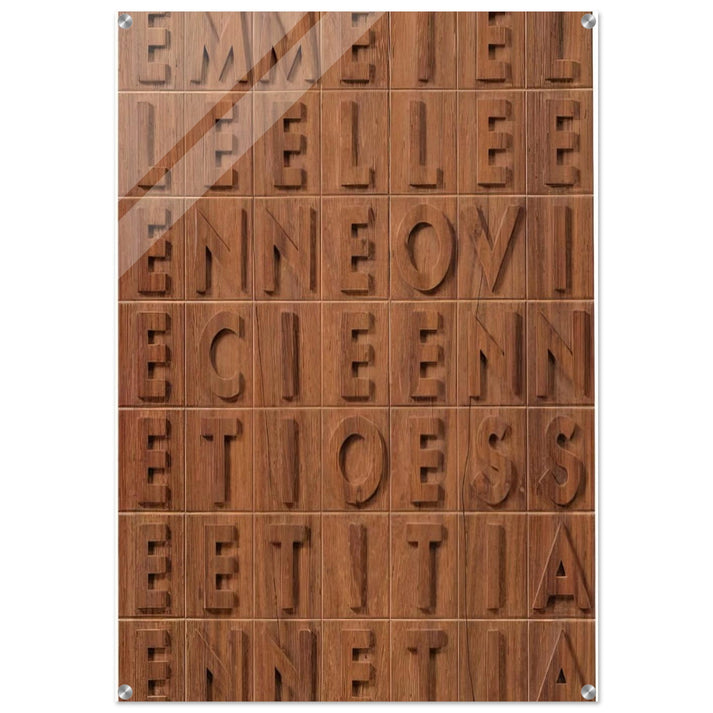
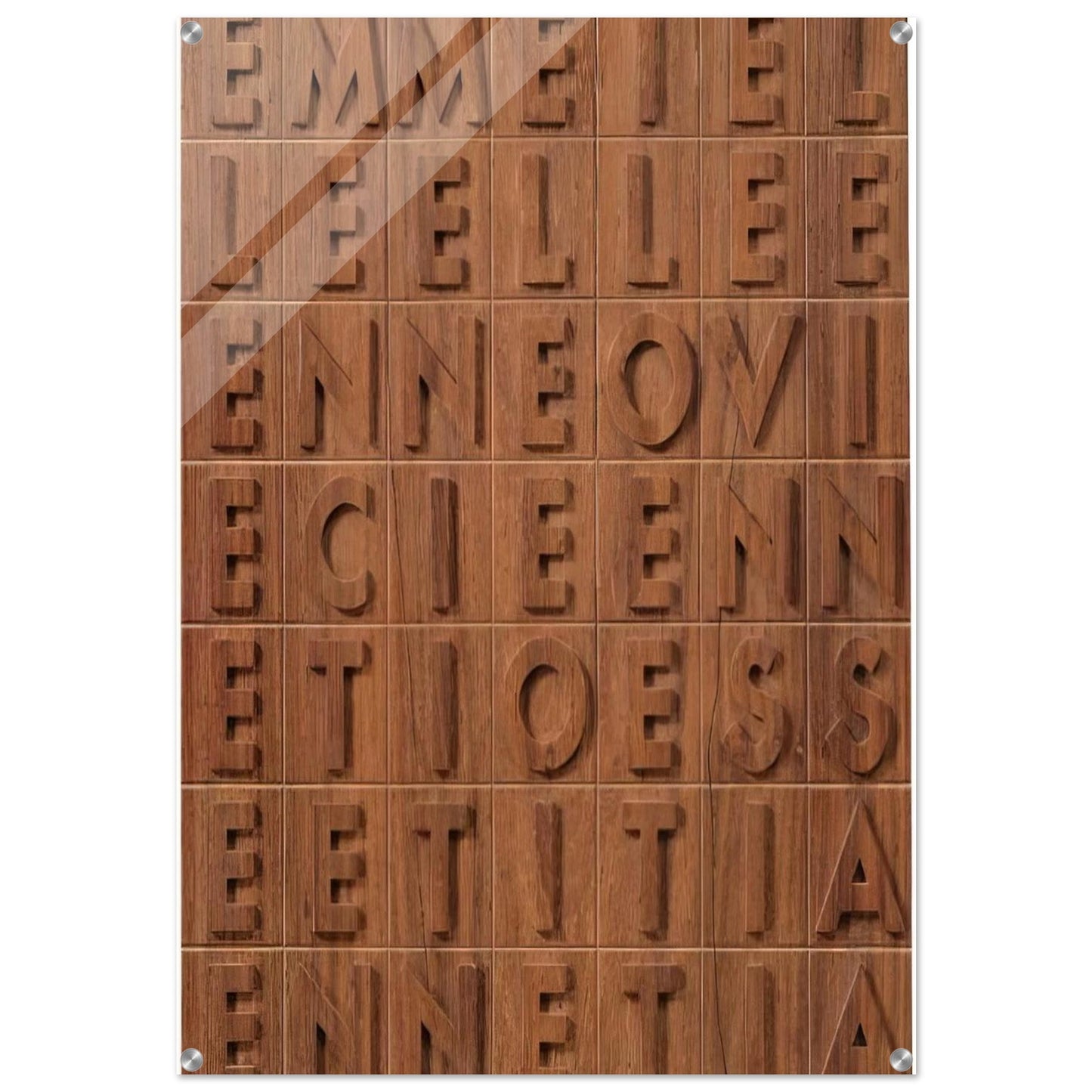
EMME I ELLE 1970 - Alighiero Boetti Acrylic Print - 70x100 cm / 28x40″ inches | Alighiero Boetti Wall Art | Alighiero Boetti Prints
EMME I ELLE 1970 - Alighiero Boetti Acrylic Print - 70x100 cm / 28x40″ inches | Alighiero Boetti Wall Art | Alighiero Boetti Prints
Couldn't load pickup availability
Alighiero Boetti EMME I ELLE 1970 Museum-Quality Acrylic Print
Experience the conceptual brilliance of Alighiero Boetti with this stunning museum-quality reproduction of his iconic 1970 work, EMME I ELLE. This fine art print captures the essence of Boetti's groundbreaking explorations in language, systems, and the everyday, presented in a contemporary and striking format.
Alighiero Boetti, a pivotal figure in Arte Povera and conceptual art, consistently challenged traditional notions of art-making. In works like EMME I ELLE, he meticulously explored the visual and conceptual interplay of letters and words, inviting viewers to engage with meaning on multiple levels. This Alighiero Boetti print is a testament to his enduring legacy, rendered with exceptional clarity and depth.
Our Alighiero Boetti wall art is meticulously crafted to museum standards. The artwork is printed on a durable 4mm (0.15") acrylic panel, offering a sleek, vibrant, and highly durable finish. The straight-cut corners provide a modern aesthetic, complementing the conceptual nature of the piece. Unlike traditional paper prints, this acrylic reproduction offers a luminous quality, making the colors pop and the details sharp. The default transparent background is presented on a pure white surface for optimal visual impact, ensuring the integrity of Boetti's design.
This Alighiero Boetti print is more than just a decorative item; it is an investment in art history, a conversation starter, and a piece that will elevate any space. RedKalion is proud to offer archival-grade reproductions that honor the artist's original vision while providing a contemporary and lasting display solution. Elevate your space with an archival masterpiece that endures.
Product Features:
- Artwork: EMME I ELLE 1970
- Artist: Alighiero Boetti
- Dimensions: 70x100 cm / 28x40″ inches
- Material: 4mm (0.15") premium acrylic
- Finish: Sleek, vibrant, and durable with straight-cut corners
- Hanging: Includes a complete hanging kit with hardware, screws, and pre-drilled holes (14mm (0.55") from edge, 8mm (0.31") diameter hole).
Discover Unlimited Art Possibilities
At RedKalion, you can find virtually any artwork from any artist, available in a wide range of sizes to perfectly match your space.
If you didn’t find what you’re looking for, contact us at support@redkalion.com . We will source any artwork and produce it in any size and format you need, including art prints, posters, canvas, framed pieces, framed canvas, and more.
For dedicated art enthusiasts, we also offer handcrafted replicas of any artwork, carefully painted by highly skilled artists using traditional techniques.
For custom requests, contact us at support@redkalion.com .
What is the artwork "EMME I ELLE 1970" by Alighiero Boetti?
"EMME I ELLE 1970" is a significant conceptual artwork by Alighiero Boetti, exploring the visual and linguistic properties of letters and words through his distinctive minimalist style.
What are the dimensions of this Alighiero Boetti print?
This Alighiero Boetti print is available in the dimensions of 70x100 cm (approximately 28x40 inches), a substantial size ideal for making a statement.
What material is this Alighiero Boetti wall art made from?
This museum-quality reproduction is printed on a 4mm (0.15") thick acrylic panel, offering a vibrant, durable, and modern finish with straight-cut corners.
How is the artwork shipped and packaged for protection?
Your Alighiero Boetti print is carefully packaged to ensure it arrives safely. Shipping details and timelines are provided during checkout for your convenience.
How long can I expect this acrylic print to last?
Printed on archival-grade acrylic, this Alighiero Boetti reproduction is designed for exceptional longevity and resistance to fading, ensuring lasting visual integrity.
Can you tell me more about Alighiero Boetti's artistic style in 1970?
In 1970, Alighiero Boetti was deeply involved in conceptual art, focusing on systems, language, and everyday objects, often using repetition and serialization in his work.
What is the significance of the title "EMME I ELLE"?
The title "EMME I ELLE" likely refers to the phonetic sounds or visual forms of the letters 'M' and 'L', reflecting Boetti's interest in language and its inherent structures.