RedKalion
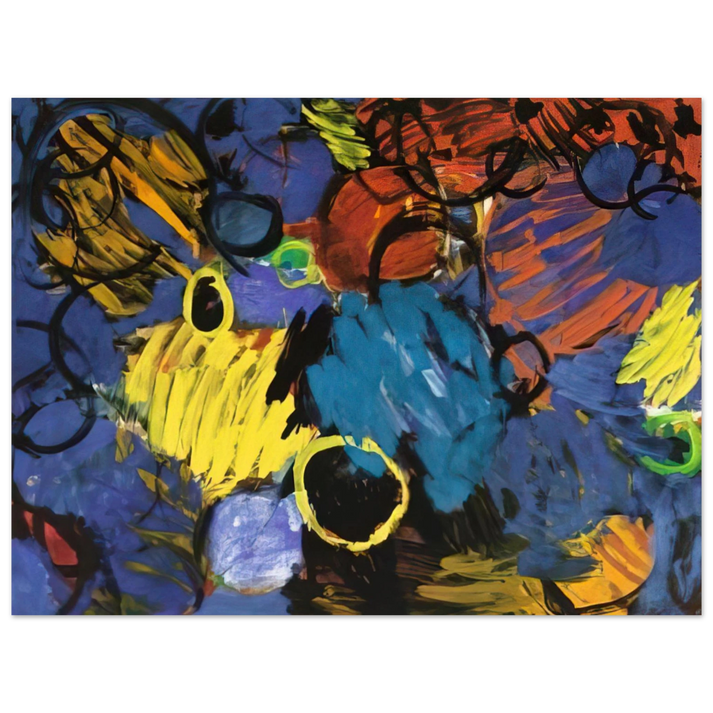
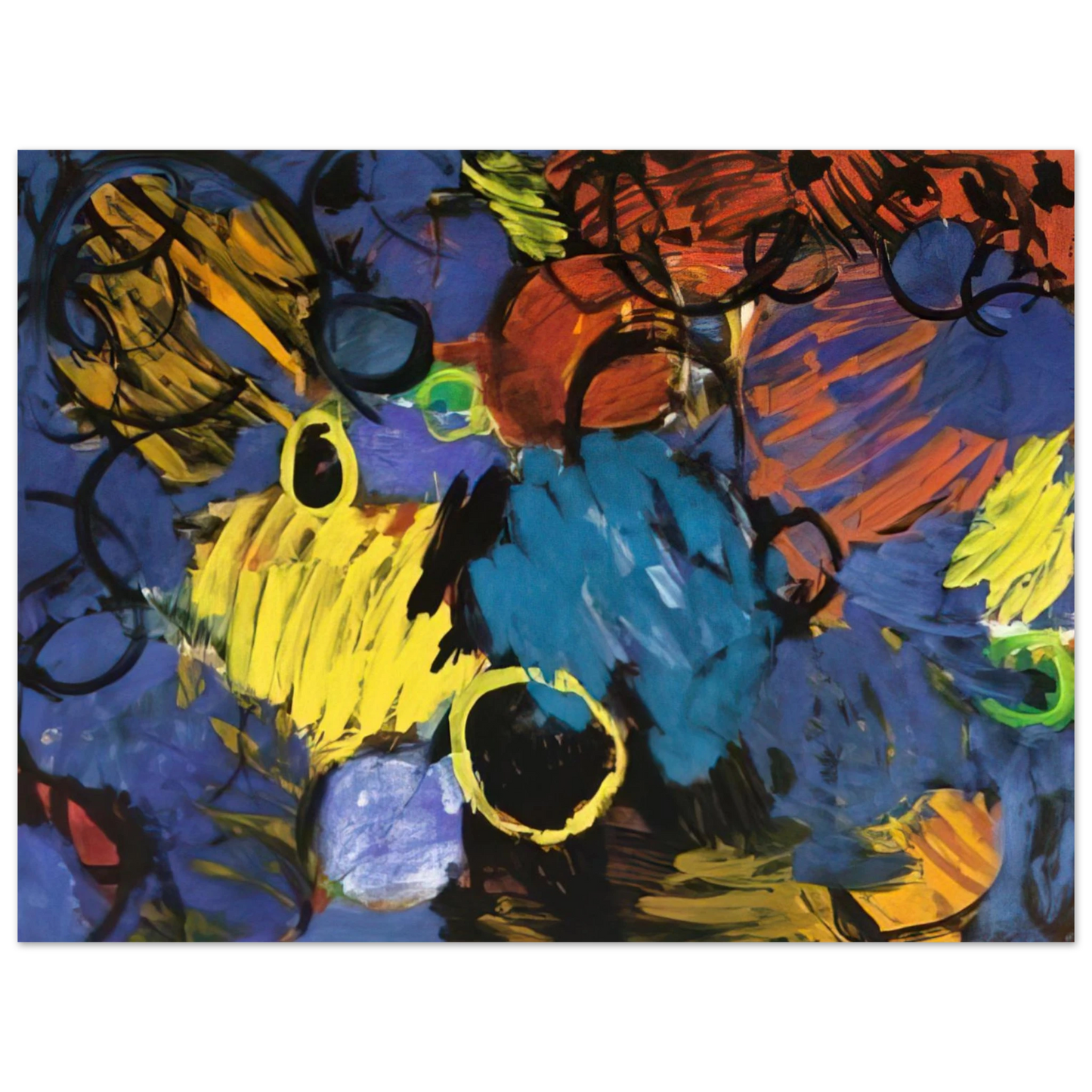
Ernst Wilhelm Nay - Motion - 1962 75x100 cm / 30x40inches Fine Art Poster
Ernst Wilhelm Nay - Motion - 1962 75x100 cm / 30x40inches Fine Art Poster
Couldn't load pickup availability
Ernst Wilhelm Nay: Motion, 1962 - A Masterpiece of Post-War German Abstraction
Experience the vibrant dynamism of Ernst Wilhelm Nay's Motion, 1962, a seminal work from the artist's prolific period. This arresting abstract composition, originally measuring 75x100 cm (approximately 30x40 inches), captures the essence of post-war German art's push towards expressive freedom and coloristic exploration. Nay, a key figure in post-war abstraction, masterfully employs bold forms and a sophisticated palette to create a sense of movement and energy that continues to captivate viewers today. This museum-quality reproduction brings the spirit of Nay's groundbreaking vision into your home or office.
RedKalion is proud to present this exceptional fine art print, meticulously crafted on Master's Edition archival paper. This museum-quality paper boasts a substantial 250 gsm (110 lb) weight and a thickness of 0.29 mm (11.4 mils), providing a luxurious feel and remarkable durability. The natural white, uncoated matte finish offers a sophisticated, glare-free surface that enhances the depth and richness of Nay's original colors, ensuring longevity and aesthetic integrity.
Our commitment to sustainability is reflected in the use of FSC-certified paper, guaranteeing responsible sourcing. Each print is produced on demand, embodying our dedication to minimizing waste and providing you with a bespoke piece of art. The acid-free nature of this paper (pH above 7) actively prevents yellowing, preserving the vivid impact of Motion, 1962 for generations to come. Elevate your space with an archival masterpiece that endures.
Product Details:
- Artist: Ernst Wilhelm Nay
- Title: Motion
- Year: 1962
- Original Size: 75x100 cm / 30x40 inches
- Paper Type: Master's Edition Archival Paper, Museum-Quality
- Paper Finish: Matte, Uncoated, Natural White (Off-White)
- Paper Weight: 250 gsm (110 lb)
- Paper Thickness: 0.29 mm (11.4 mils)
- Archival Quality: Acid-free (pH > 7)
- Sustainability: FSC-Certified Paper
- Fulfillment: Printed and shipped on demand
Discover Unlimited Art Possibilities
At RedKalion, you can find virtually any artwork from any artist, available in a wide range of sizes to perfectly match your space.
If you didn’t find what you’re looking for, contact us at support@redkalion.com . We will source any artwork and produce it in any size and format you need, including art prints, posters, canvas, framed pieces, framed canvas, and more.
For dedicated art enthusiasts, we also offer handcrafted replicas of any artwork, carefully painted by highly skilled artists using traditional techniques.
For custom requests, contact us at support@redkalion.com .
What is the artwork "Motion" by Ernst Wilhelm Nay?
"Motion" is an abstract oil painting created by Ernst Wilhelm Nay in 1962, renowned for its dynamic composition and vibrant color interactions, reflecting post-war German art.
What is the significance of the 1962 date for Ernst Wilhelm Nay's work?
1962 falls within Nay's prolific 'rhythmic' period, characterized by his mature abstract style, marked by increased color saturation and complex formal arrangements.
What kind of paper is used for this fine art print?
This fine art poster is printed on Master's Edition archival paper, a museum-quality, uncoated, natural white stock with a matte finish.
What are the specifications of the archival paper used?
The paper is 250 gsm (110 lb) thick (0.29 mm) and acid-free (pH above 7), ensuring longevity and preventing yellowing.
Is the paper environmentally friendly?
Yes, the Master's Edition archival paper is FSC-certified, guaranteeing it comes from responsibly managed forests.
How is this museum-quality reproduction produced?
Each museum-quality reproduction is printed on demand, ensuring a fresh, high-fidelity print tailored to your order.
What is the intended mood or feeling of Ernst Wilhelm Nay's "Motion"?
"Motion" evokes a sense of energetic movement, visual rhythm, and bold chromatic expression, characteristic of Nay's abstract style.
Can you describe Ernst Wilhelm Nay's artistic style in "Motion"?
Nay's style in "Motion" is characterized by bold, biomorphic forms and a powerful, nuanced use of color, typical of his mature abstract expressionist phase.