RedKalion
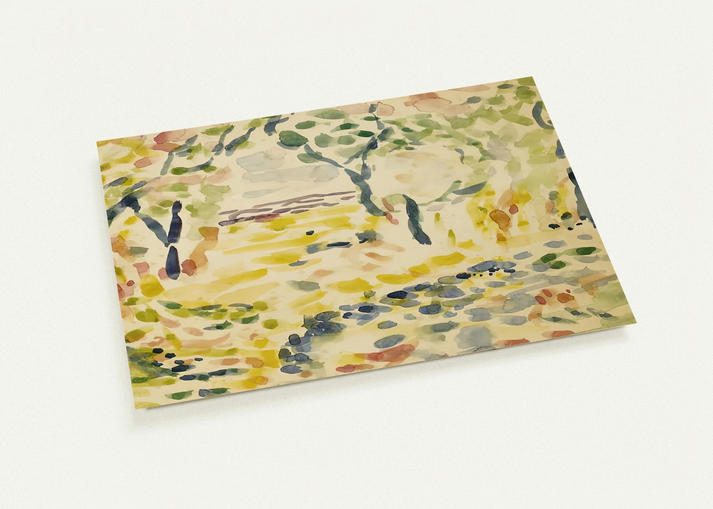
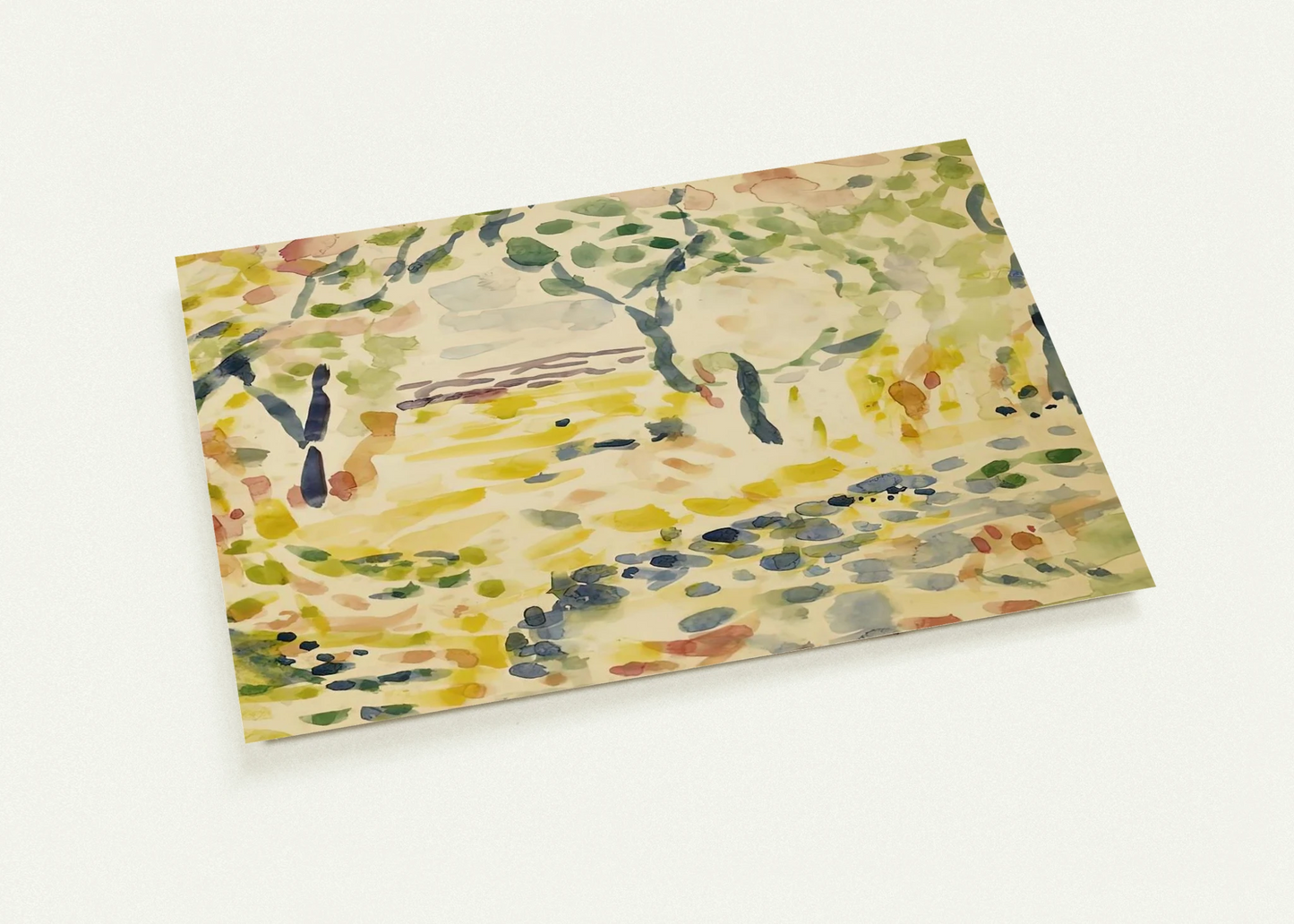
ETUDE POUR LE BONHEUR DE VIVRE 1905 By Henri Matisse Pack of 10 Post Cards | Henri Matisse Post Cards | A6 (10.5 x 14.8 cm) - 4.1 x 5.8 inches
ETUDE POUR LE BONHEUR DE VIVRE 1905 By Henri Matisse Pack of 10 Post Cards | Henri Matisse Post Cards | A6 (10.5 x 14.8 cm) - 4.1 x 5.8 inches
Couldn't load pickup availability
Etude pour Le Bonheur de Vivre 1905 by Henri Matisse: A Study in Joyful Color
This exquisite pack of 10 postcards features Henri Matisse's pivotal "Etude pour Le Bonheur de Vivre" (Study for The Joy of Life) from 1905—a vibrant precursor to his revolutionary Fauvist masterpiece. Capturing Matisse's bold exploration of pure, expressive color and simplified forms, this study radiates an unbridled sense of freedom and harmony, making it a perfect choice for sharing artful sentiments with friends and loved ones.
Art Historical Significance & Expert Insight
Created during Matisse's Fauvist period, this study exemplifies his radical departure from naturalistic representation. The artist employed flat planes of intense, non-naturalistic color to evoke emotion rather than depict reality—a technique that would culminate in the iconic Le Bonheur de Vivre. This work marks a critical moment in modern art, where color itself became the primary vehicle for expressing joy and vitality.
Premium Postcard Specifications
Each postcard in this pack is a museum-quality reproduction, crafted to honor Matisse's vibrant palette and artistic vision:
- Color Vibrancy: Utilizing our advanced 12-color fine art printing technology, we achieve stunning depth and vivid, accurate hues that far surpass standard 4-color inkjet prints, ensuring Matisse's expressive colors pop with life.
- Paper Quality: Printed on 200 gsm (80 lb) FSC-certified paper with a smooth matte finish, these postcards offer a clean, glare-free surface that feels substantial and luxurious to the touch.
- Eco-Conscious Design: Made from environmentally responsible materials, each card is printed on demand with no minimum orders, reflecting our commitment to sustainability.
- Convenient Size: Measuring A6 (10.5 x 14.8 cm or 4.1 x 5.8 inches), these postcards are ideal for mailing, framing, or using as elegant art notes.
Elevate your correspondence with these archival-grade fine art postcards from RedKalion, where every detail is curated to bring a piece of art history into your daily life.
Discover Unlimited Art Possibilities
At RedKalion, you can find virtually any artwork from any artist, available in a wide range of sizes to perfectly match your space.
If you didn’t find what you’re looking for, contact us at support@redkalion.com . We will source any artwork and produce it in any size and format you need, including art prints, posters, canvas, framed pieces, framed canvas, and more.
For dedicated art enthusiasts, we also offer handcrafted replicas of any artwork, carefully painted by highly skilled artists using traditional techniques.
For custom requests, contact us at support@redkalion.com .
What is the historical significance of this Matisse study?
This 1905 study is a key Fauvist work where Matisse used bold, non-naturalistic colors to express joy, paving the way for modern art's focus on emotional color over realism.
What details are depicted in Etude pour Le Bonheur de Vivre?
The study features simplified figures in a lush landscape, using flat planes of vibrant color to convey harmony and vitality, typical of Matisse's early Fauvist style.
What type of paper are these postcards printed on?
These fine art postcards use 200 gsm FSC-certified paper with a smooth matte finish, ensuring a premium, glare-free surface for museum-quality reproductions.
How is the color accuracy achieved in these prints?
Our 12-color fine art printing technology delivers vivid, accurate colors with stunning depth, superior to standard 4-color inkjet prints for true-to-original hues.
Are these postcards eco-friendly?
Yes, they are printed on environmentally conscious, FSC-certified paper and produced on demand to minimize waste, supporting sustainable art practices.
What are the shipping options for this pack?
We offer global shipping with tracking; delivery times vary by location, and items are printed on demand with no minimum orders for flexible purchasing.
How long will these postcards last without fading?
Made with archival-grade materials and inks, these postcards are designed for long-term durability, resisting fading to preserve Matisse's vibrant colors.