RedKalion
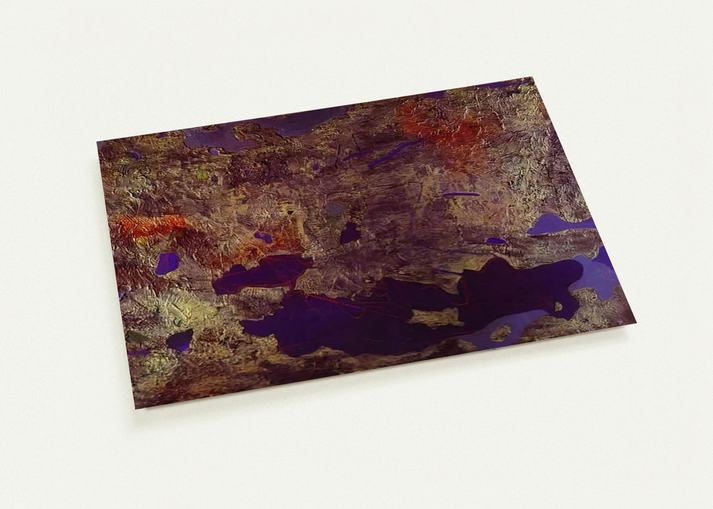
Europe after the Rain I By Max Ernst Pack of 10 Post Cards | Max Ernst Post Cards | A6 (10.5 x 14.8 cm) - 4.1 x 5.8 inches
Europe after the Rain I By Max Ernst Pack of 10 Post Cards | Max Ernst Post Cards | A6 (10.5 x 14.8 cm) - 4.1 x 5.8 inches
Couldn't load pickup availability
Europe after the Rain I: A Surrealist Masterpiece by Max Ernst
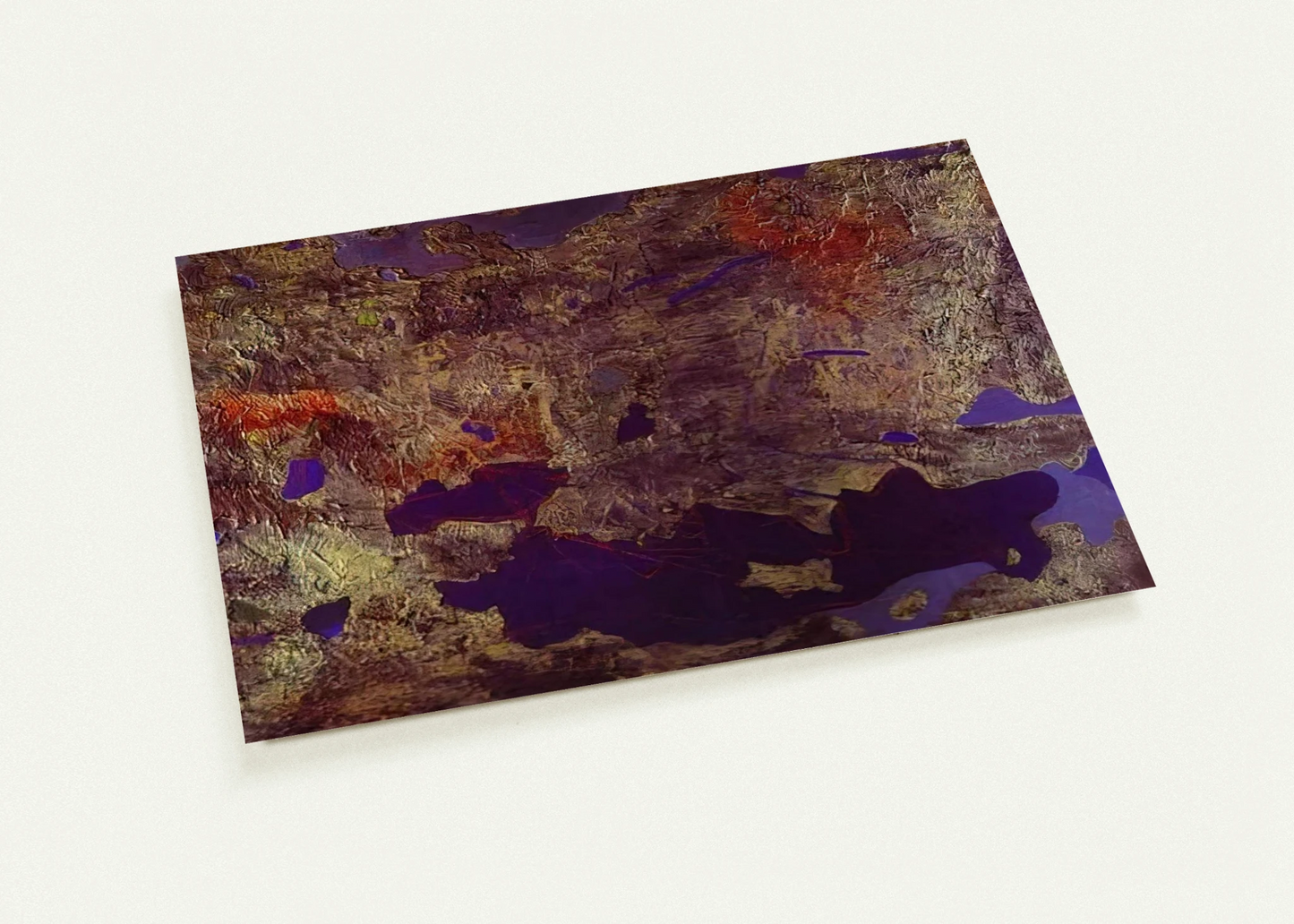
Immerse yourself in the haunting beauty of Max Ernst's "Europe after the Rain I," now available as a premium pack of 10 postcards from RedKalion. This iconic 1940-1942 painting captures the post-apocalyptic vision of a continent ravaged by war, rendered through Ernst's revolutionary décalcomania technique—a surrealist method of pressing paint between surfaces to create eerie, organic textures. The artwork's dreamlike, decaying landscapes evoke a profound sense of melancholy and rebirth, making it a timeless piece of 20th-century art history.
RedKalion presents this masterpiece in an exclusive format: a pack of 10 flat postcards, perfect for sharing art with loved ones, collecting, or framing as miniature gallery displays. Each card measures A6 (10.5 x 14.8 cm / 4.1 x 5.8 inches), offering a portable yet impactful way to appreciate Ernst's genius.
Unmatched Quality in Every Detail
Our reproductions are crafted to museum-grade standards, ensuring that every nuance of Ernst's original work is preserved:
- Color Vibrancy: Utilizing 12-color fine art printing technology, we deliver vivid, accurate colors with stunning depth, far surpassing standard 4-color inkjet prints.
- Paper Finishing: Each postcard features a smooth matte finish for a clean, glare-free display that enhances the artwork's textured details.
- Paper Weight: Printed on 200 gsm (80 lb) paper with a thickness of 0.26 mm (10.3 mils), ensuring durability and a premium feel.
- Eco-Friendly Materials: All postcards are produced on environmentally conscious, FSC-certified paper, reflecting our commitment to sustainability.
Elevate your correspondence or decor with these archival-quality reproductions, printed on demand with no minimum orders. RedKalion is your trusted curator for fine art prints that blend historical significance with modern craftsmanship.
Discover Unlimited Art Possibilities
At RedKalion, you can find virtually any artwork from any artist, available in a wide range of sizes to perfectly match your space.
If you didn’t find what you’re looking for, contact us at support@redkalion.com . We will source any artwork and produce it in any size and format you need, including art prints, posters, canvas, framed pieces, framed canvas, and more.
For dedicated art enthusiasts, we also offer handcrafted replicas of any artwork, carefully painted by highly skilled artists using traditional techniques.
For custom requests, contact us at support@redkalion.com .
What is the historical significance of "Europe after the Rain I" by Max Ernst?
Created during 1940-1942, this painting reflects Max Ernst's surrealist response to WWII's devastation, using his innovative décalcomania technique to depict a post-apocalyptic European landscape, symbolizing ruin and potential renewal in 20th-century art.
What are the dimensions and details of these Max Ernst postcards?
Each postcard in this pack of 10 measures A6 (10.5 x 14.8 cm or 4.1 x 5.8 inches), featuring a high-quality reproduction of "Europe after the Rain I" on premium 200 gsm paper with a smooth matte finish.
How does the printing technology ensure color accuracy for these fine art postcards?
Our 12-color fine art printing technology delivers vivid, accurate colors with stunning depth, far beyond standard 4-color inkjet printing, ensuring museum-quality reproductions of Max Ernst's artwork.
Are these postcards eco-friendly and what materials are used?
Yes, these postcards are printed on environmentally conscious, FSC-certified paper, making them a sustainable choice for premium art reproductions and collectible postcards.
What is the shipping and production process for these postcards?
All postcards are printed on demand with no minimum orders, ensuring efficient production and timely shipping for your museum-quality art prints.
How durable and archival are these Max Ernst postcard reproductions?
Printed on 200 gsm (80 lb) paper with a thickness of 0.26 mm, these postcards offer archival longevity, resisting fading and wear for lasting fine art display.
Can you explain Max Ernst's décalcomania technique used in this artwork?
Décalcomania is a surrealist technique where paint is pressed between surfaces to create random, organic textures, which Ernst used in "Europe after the Rain I" to evoke eerie, decaying landscapes.