RedKalion
Eva Hesse - CONTINGENT 1968 75x100 cm / 30x40inches Fine Art Poster
Eva Hesse - CONTINGENT 1968 75x100 cm / 30x40inches Fine Art Poster
Couldn't load pickup availability
Eva Hesse - CONTINGENT 1968: A Seminal Work of Post-Minimalist Art
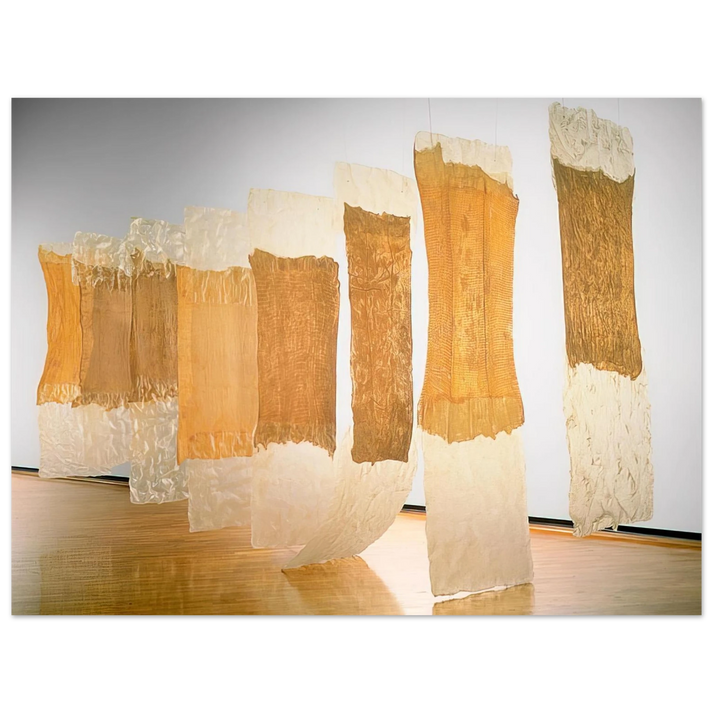
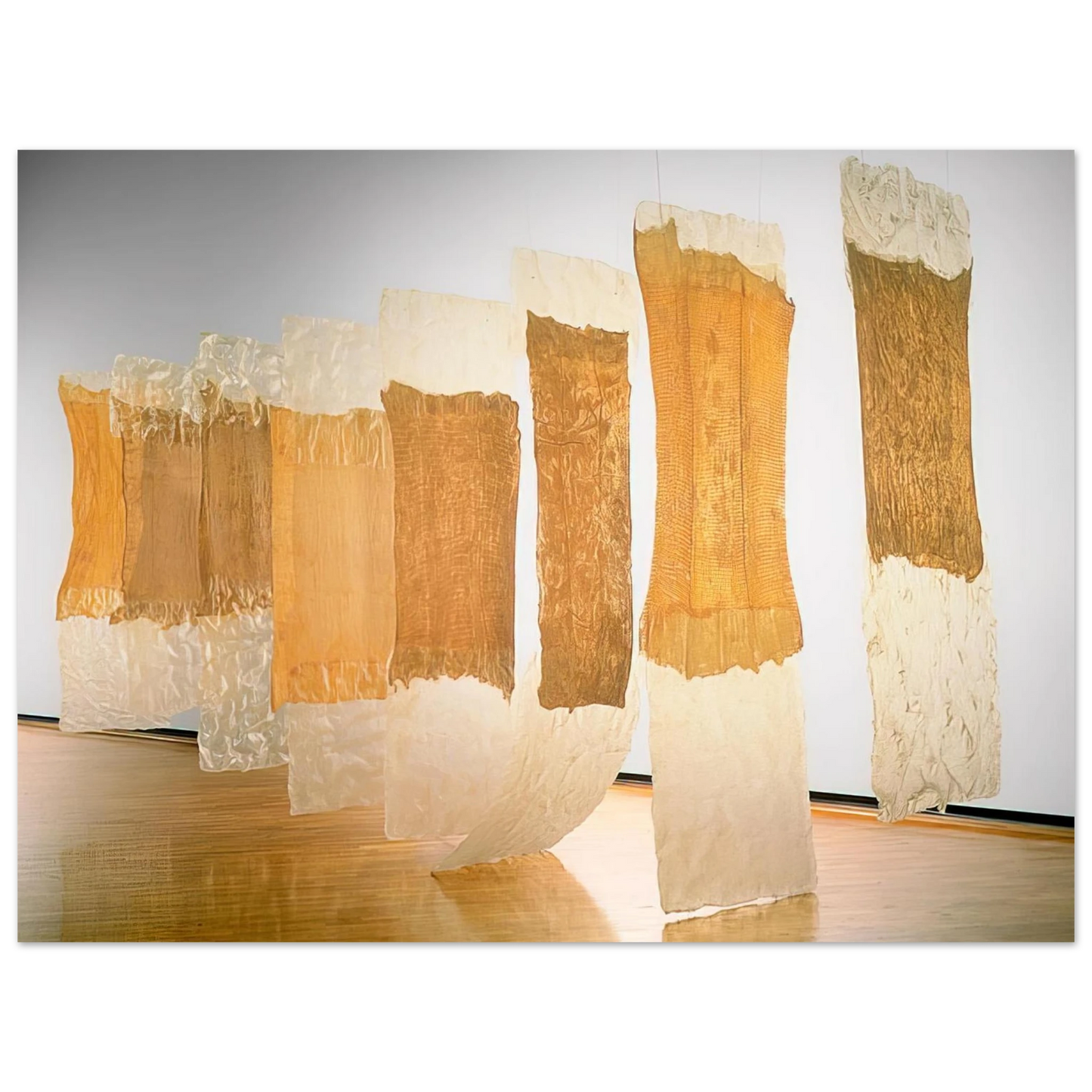
Experience the profound vulnerability and material innovation of Eva Hesse's groundbreaking 1968 piece, CONTINGENT, now available as a museum-quality fine art print from RedKalion. This iconic work, measuring 75x100 cm (30x40 inches), captures Hesse's radical departure from rigid Minimalism into a realm of organic, ephemeral forms that explore themes of contingency, fragility, and the human condition.
Created during a pivotal moment in art history, CONTINGENT exemplifies Hesse's masterful use of latex and fiberglass to create hanging, curtain-like sculptures that defy traditional boundaries. Our archival reproduction preserves the delicate textures and subtle tonal variations of the original, allowing you to bring the emotive power of Post-Minimalism into your home or office. As a trusted curator of world-class reproductions, RedKalion ensures every print meets the highest standards of authenticity and durability.
Elevate your space with an archival masterpiece that endures, printed on our exclusive Master's Edition archival paper. This premium, matte-finish paper is uncoated and natural white (off-white), offering a luxurious texture that enhances the artwork's tactile qualities. With a weight of 250 gsm (110 lb) and a thickness of 0.29 mm (11.4 mils), it provides substantial heft and presence. The acid-free composition (pH above 7) prevents yellowing over time, while the FSC-certified paper reflects our commitment to sustainability. Each print is produced on demand, ensuring no minimum orders and personalized fulfillment.
Art Historical Insight
Eva Hesse's CONTINGENT is celebrated for its pioneering use of unconventional materials like latex, which she allowed to sag and droop naturally, embracing imperfection and process. This work, created just two years before her untimely death, challenges notions of permanence in art, making it a poignant symbol of the 1960s avant-garde. Her technique involved layering and draping to evoke bodily references, blurring the line between sculpture and painting, and influencing generations of artists.
Discover Unlimited Art Possibilities
At RedKalion, you can find virtually any artwork from any artist, available in a wide range of sizes to perfectly match your space.
If you didn’t find what you’re looking for, contact us at support@redkalion.com . We will source any artwork and produce it in any size and format you need, including art prints, posters, canvas, framed pieces, framed canvas, and more.
For dedicated art enthusiasts, we also offer handcrafted replicas of any artwork, carefully painted by highly skilled artists using traditional techniques.
For custom requests, contact us at support@redkalion.com .
What are the dimensions of this Eva Hesse CONTINGENT fine art print?
This museum-quality reproduction measures 75x100 cm (30x40 inches), perfect for creating a focal point in any room with its substantial size.
What type of paper is used for this archival print?
It's printed on Master's Edition archival paper, featuring a matte, uncoated, natural white finish for a luxurious texture and acid-free composition to prevent yellowing.
How is this fine art poster shipped and delivered?
We print and ship on demand with no minimum orders, ensuring each Eva Hesse CONTINGENT reproduction is handled with care and delivered promptly.
Will this print last over time without fading or damage?
Yes, the acid-free paper (pH above 7) and 250 gsm weight ensure long-term archival longevity, making it a durable investment for your collection.
Is the paper environmentally sustainable?
Absolutely, our FSC-certified paper supports responsible forestry, aligning with RedKalion's commitment to premium and sustainable art reproductions.
What makes Eva Hesse's CONTINGENT significant in art history?
CONTINGENT is a key Post-Minimalist work from 1968, notable for its use of latex and fiberglass to explore fragility and contingency, challenging traditional art forms.
How did Eva Hesse create the original CONTINGENT artwork?
Hesse used layered latex and fiberglass, allowing materials to sag naturally to emphasize imperfection and process, reflecting her innovative techniques in the 1960s.