RedKalion
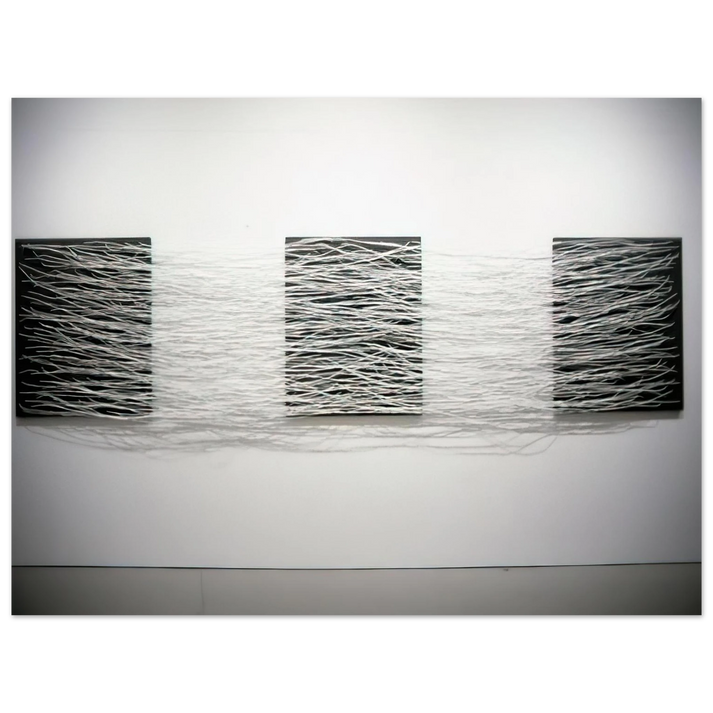
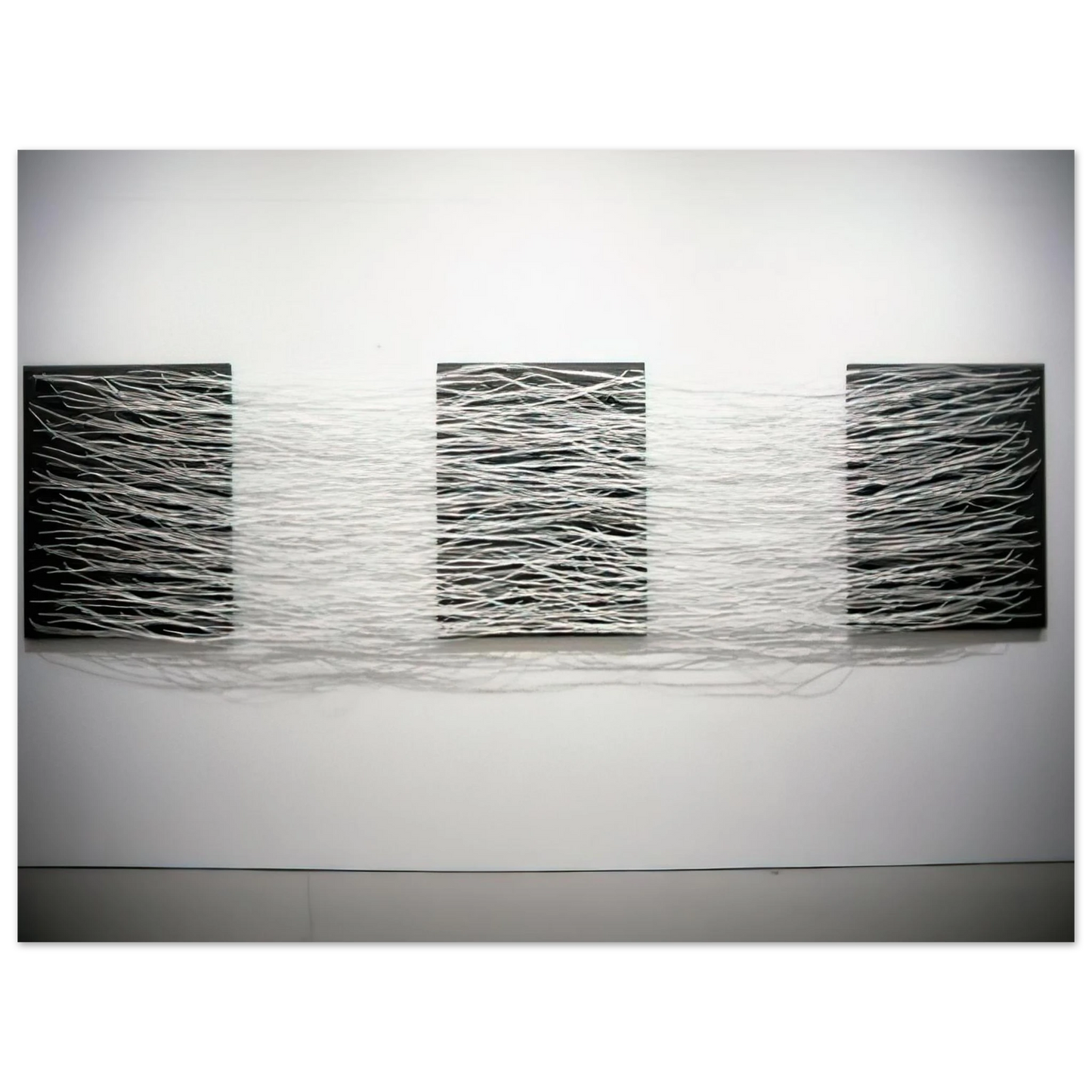
Eva Hesse - METRONOMIC IRREGULARITY II 1966 75x100 cm / 30x40inches Fine Art Poster
Eva Hesse - METRONOMIC IRREGULARITY II 1966 75x100 cm / 30x40inches Fine Art Poster
Couldn't load pickup availability
Eva Hesse - METRONOMIC IRREGULARITY II 1966: A Seminal Work of Post-Minimalist Art
Experience the profound tension and organic irregularity of Eva Hesse's groundbreaking 1966 masterpiece, METRONOMIC IRREGULARITY II. This iconic piece, originally measuring 75x100 cm (30x40 inches), represents a pivotal moment in the transition from Minimalism to Post-Minimalism, where Hesse infused rigid geometric structures with a haunting, human vulnerability. Through her innovative use of repetitive grid patterns disrupted by hand-drawn irregularities, Hesse explored themes of time, decay, and the body, creating a work that feels both systematic and deeply personal.
At RedKalion, we honor Hesse's legacy with a museum-quality fine art print that captures every nuanced line and subtle texture of the original. Our reproduction is crafted on Master's Edition archival paper—a premium, matte-finish surface that provides an uncoated, natural white (off-white) backdrop, enhancing the artwork's tactile quality and visual depth. This FSC-certified paper is acid-free (pH above 7), ensuring it resists yellowing and maintains its integrity for generations, with a substantial weight of 250 gsm (110 lb) and a thickness of 0.29 mm (11.4 mils) for a luxurious, gallery-ready presence.
Elevate your space with an archival masterpiece that endures, offering a sophisticated conversation piece that bridges art history and contemporary design. This print is produced on demand, with no minimum orders, and shipped directly to you, making it accessible for collectors and enthusiasts alike.
Discover Unlimited Art Possibilities
At RedKalion, you can find virtually any artwork from any artist, available in a wide range of sizes to perfectly match your space.
If you didn’t find what you’re looking for, contact us at support@redkalion.com . We will source any artwork and produce it in any size and format you need, including art prints, posters, canvas, framed pieces, framed canvas, and more.
For dedicated art enthusiasts, we also offer handcrafted replicas of any artwork, carefully painted by highly skilled artists using traditional techniques.
For custom requests, contact us at support@redkalion.com .
What is the historical significance of Eva Hesse's METRONOMIC IRREGULARITY II?
METRONOMIC IRREGULARITY II is a seminal 1966 work by Eva Hesse, marking a key shift from Minimalism to Post-Minimalism. It uses a grid pattern with hand-drawn irregularities to explore themes of time, decay, and the human body, reflecting Hesse's innovative approach to art.
What materials and techniques did Eva Hesse use in this artwork?
Hesse employed ink and pencil on paper to create METRONOMIC IRREGULARITY II, blending precise geometric grids with organic, irregular lines. This technique highlights her focus on process and materiality, characteristic of her Post-Minimalist style.
What type of paper is used for this fine art print?
This museum-quality reproduction is printed on Master's Edition archival paper, featuring a matte, uncoated finish in natural white (off-white). It's acid-free (pH above 7), FSC-certified, and weighs 250 gsm (110 lb) with a thickness of 0.29 mm (11.4 mils) for durability.
How is this print shipped and are there minimum orders?
We offer on-demand printing with no minimum orders. Your fine art poster is carefully produced and shipped directly to you, ensuring a personalized and efficient delivery process for this archival-quality piece.
How long will this archival print last without yellowing?
Made with acid-free (pH above 7) Master's Edition paper, this print resists yellowing over time. Its archival quality ensures long-term preservation, making it a lasting addition to your collection of museum-quality reproductions.