RedKalion
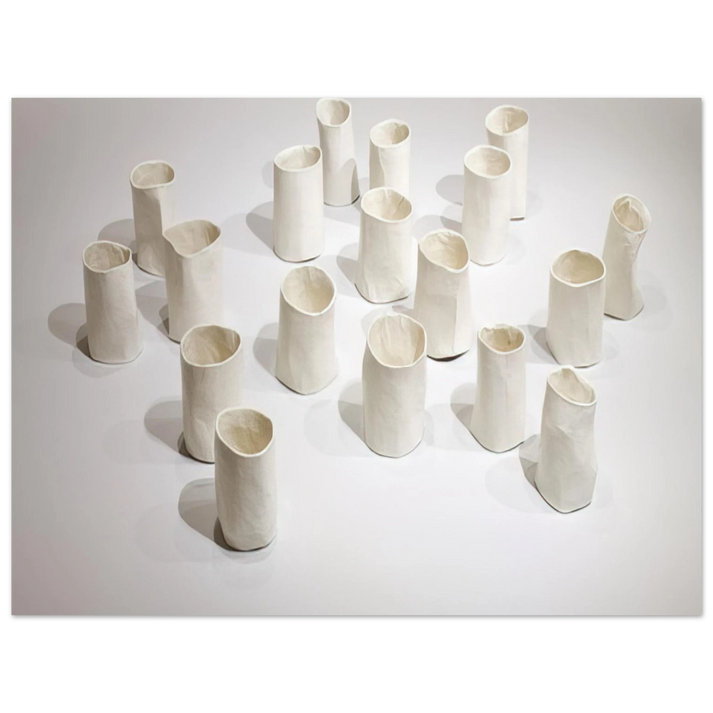
Eva Hesse - REPETITION NINETEEN I 1967 75x100 cm / 30x40inches Fine Art Poster
Eva Hesse - REPETITION NINETEEN I 1967 75x100 cm / 30x40inches Fine Art Poster
Couldn't load pickup availability
Eva Hesse - REPETITION NINETEEN I 1967: A Minimalist Masterpiece
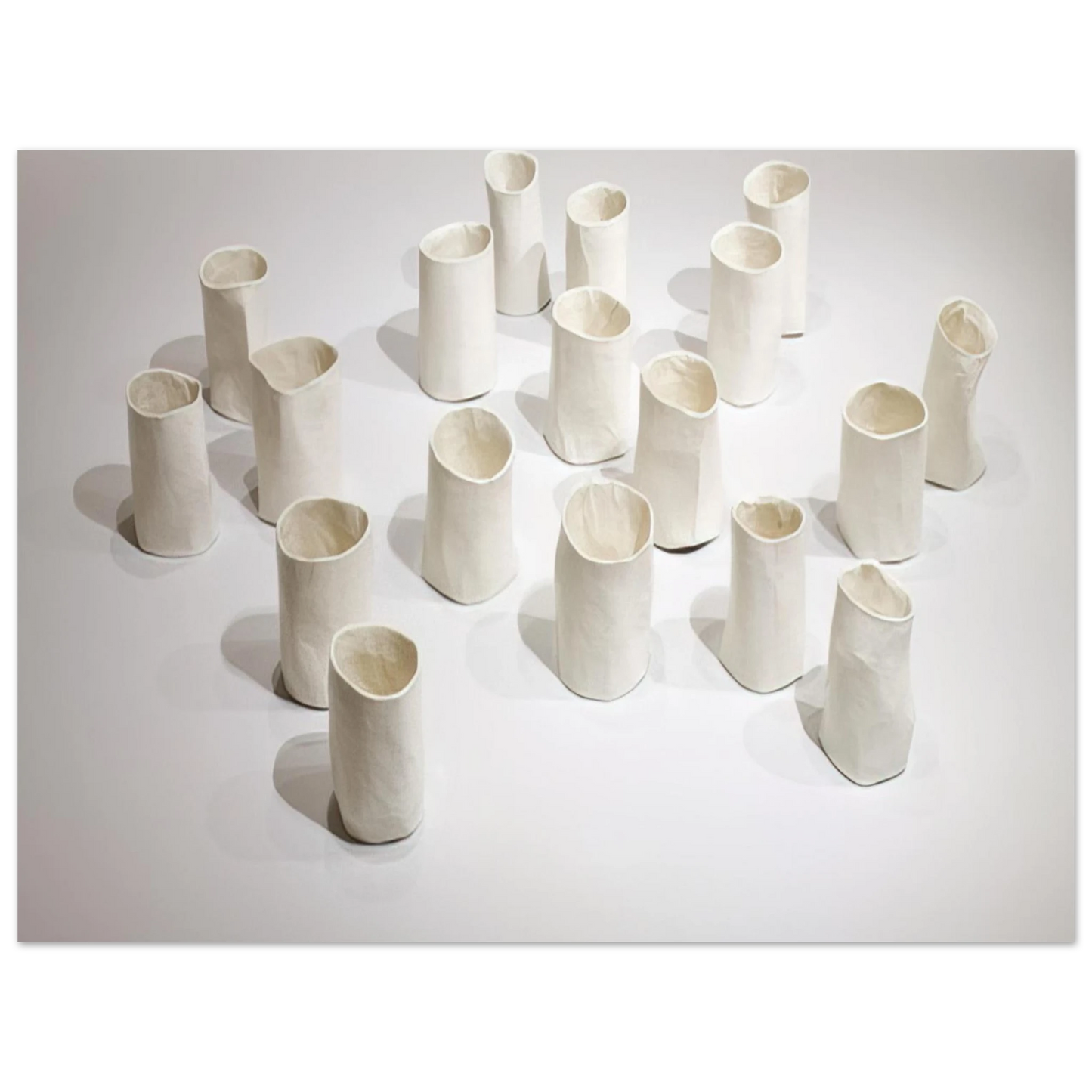
Elevate your space with this museum-quality fine art print of Eva Hesse's seminal work, REPETITION NINETEEN I (1967). This archival reproduction captures the essence of Hesse's pioneering approach to Postminimalism, where she infused rigid geometric forms with organic, handcrafted sensibility. Measuring 75x100 cm (30x40 inches), this piece invites contemplation through its rhythmic arrangement of nineteen cylindrical units, exploring themes of seriality, imperfection, and the human touch in industrial materials.
Hesse's work, created during a transformative period in New York's art scene, bridges the gap between Minimalism's austerity and the expressive potential of process art. This print allows you to own a piece of art history, meticulously reproduced on our Master's Edition archival paper. The matte, uncoated finish and natural white (off-white) hue provide a luxurious texture that echoes the tactile quality of Hesse's original sculptures, while the acid-free composition (pH above 7) ensures lasting vibrancy without yellowing.
RedKalion is your trusted curator for premium reproductions, offering this piece on FSC-certified paper (250 gsm / 110 lb weight, 0.29 mm / 11.4 mils thickness) for sustainable elegance. Printed and shipped on demand with no minimum orders, this fine art poster is ready to transform any room into a gallery-worthy sanctuary.
Discover Unlimited Art Possibilities
At RedKalion, you can find virtually any artwork from any artist, available in a wide range of sizes to perfectly match your space.
If you didn’t find what you’re looking for, contact us at support@redkalion.com . We will source any artwork and produce it in any size and format you need, including art prints, posters, canvas, framed pieces, framed canvas, and more.
For dedicated art enthusiasts, we also offer handcrafted replicas of any artwork, carefully painted by highly skilled artists using traditional techniques.
For custom requests, contact us at support@redkalion.com .
What is the significance of Eva Hesse's REPETITION NINETEEN I (1967)?
This artwork is a key Postminimalist piece by Eva Hesse, exploring seriality and organic form through nineteen handcrafted units, bridging Minimalism with process art in 1960s New York.
What are the dimensions of this fine art print?
The print measures 75x100 cm (30x40 inches), matching the original scale for an authentic museum-quality reproduction display.
What type of paper is used for this archival print?
It's printed on Master's Edition archival paper, featuring a matte, uncoated finish and natural white hue for a luxurious texture and acid-free longevity.
How durable is this museum-quality reproduction?
With acid-free paper (pH above 7), 250 gsm weight, and 0.29 mm thickness, it resists yellowing and ensures lasting vibrancy for years.
Is this print eco-friendly and how is it shipped?
Yes, it uses FSC-certified paper and is printed on demand with no minimum orders, shipped directly for sustainable fulfillment.
Why did Eva Hesse use repetition in this artwork?
Hesse used repetition to subvert Minimalist rigidity, introducing handcrafted variations that evoke human imperfection and psychological depth.
What materials did Hesse originally use for REPETITION NINETEEN I?
She used fiberglass and polyester resin, creating cylindrical forms that blend industrial materials with organic, tactile qualities.