RedKalion
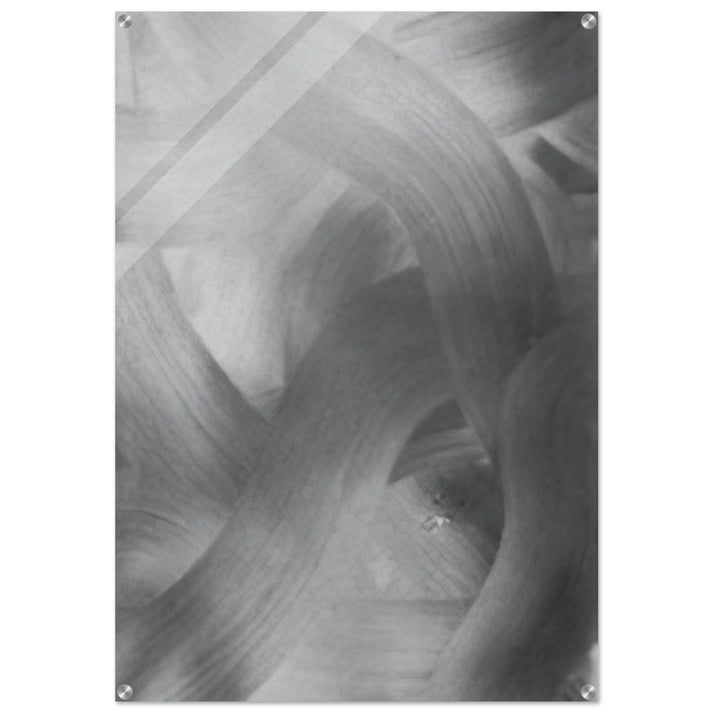
FARBSCHLIEREN COLOUR STREAKS 1968 - Gerhard Richter Acrylic Print - 70x100 cm / 28x40″ inches
FARBSCHLIEREN COLOUR STREAKS 1968 - Gerhard Richter Acrylic Print - 70x100 cm / 28x40″ inches
Couldn't load pickup availability
FARBSCHLIEREN COLOUR STREAKS 1968 - Gerhard Richter Acrylic Print
Experience the groundbreaking abstraction of Gerhard Richter's FARBSCHLIEREN COLOUR STREAKS 1968 in this premium museum-quality reproduction. This iconic work from Richter's early career captures his revolutionary approach to paint, where he dragged a squeegee across wet pigment to create mesmerizing, fluid streaks of color that challenge traditional notions of representation. The result is a dynamic composition that evokes movement, emotion, and the raw beauty of chance—a perfect centerpiece for modern interiors seeking depth and intellectual intrigue.
RedKalion presents this masterpiece as a 70x100 cm / 28x40″ inches fine art print, meticulously reproduced on 4mm (0.15") acrylic for unparalleled vibrancy and durability. The sleek acrylic surface enhances the color saturation, making each streak pop with luminous intensity, while straight-cut corners and a modern white background (default for transparent areas) ensure a polished, gallery-ready presentation. This archival-grade reproduction is crafted to endure, offering a timeless addition to any collection.
Elevate your space with an archival masterpiece that endures, backed by RedKalion's expertise in curating world-class reproductions. Each piece includes a complete hanging kit with hardware, screws, and pre-drilled screw holes (14mm from the edge, 8mm diameter, 15mm screw head) for effortless installation.

Discover Unlimited Art Possibilities
At RedKalion, you can find virtually any artwork from any artist, available in a wide range of sizes to perfectly match your space.
If you didn’t find what you’re looking for, contact us at support@redkalion.com . We will source any artwork and produce it in any size and format you need, including art prints, posters, canvas, framed pieces, framed canvas, and more.
For dedicated art enthusiasts, we also offer handcrafted replicas of any artwork, carefully painted by highly skilled artists using traditional techniques.
For custom requests, contact us at support@redkalion.com .
What is the significance of Gerhard Richter's FARBSCHLIEREN COLOUR STREAKS 1968?
This artwork marks a key moment in Richter's exploration of abstraction, using a squeegee technique to create fluid color streaks that challenge traditional painting, reflecting post-war German art's innovation and emotional depth.
How are the color streaks in this print reproduced for accuracy?
Our museum-quality reproduction uses high-resolution imaging to capture every detail of Richter's acrylic streaks, ensuring vibrant color fidelity and the dynamic texture of the original 1968 piece.
What are the specifications of the acrylic material used?
The print features 4mm (0.15") acrylic for a sleek, vibrant finish that enhances color saturation and provides durability, with straight-cut corners for a modern look.
How is the print shipped and installed?
It includes a hanging kit with hardware, screws, and pre-drilled holes (14mm from edge, 8mm diameter) for easy setup, shipped securely to protect this premium fine art print.
Is this reproduction archival-quality and long-lasting?
Yes, it's crafted with archival-grade materials to resist fading, ensuring this Gerhard Richter acrylic print remains vibrant as a durable art investment for years.
What does the 'colour streaks' technique involve in Richter's work?
Richter dragged a squeegee across wet paint to create spontaneous streaks, blending chance and control to evoke movement and emotion in his abstract compositions.
Why choose a white background for transparent areas?
A white background optimizes presentation by highlighting the color streaks, offering a clean, modern look that complements the 70x100 cm acrylic print's sleek design.