RedKalion
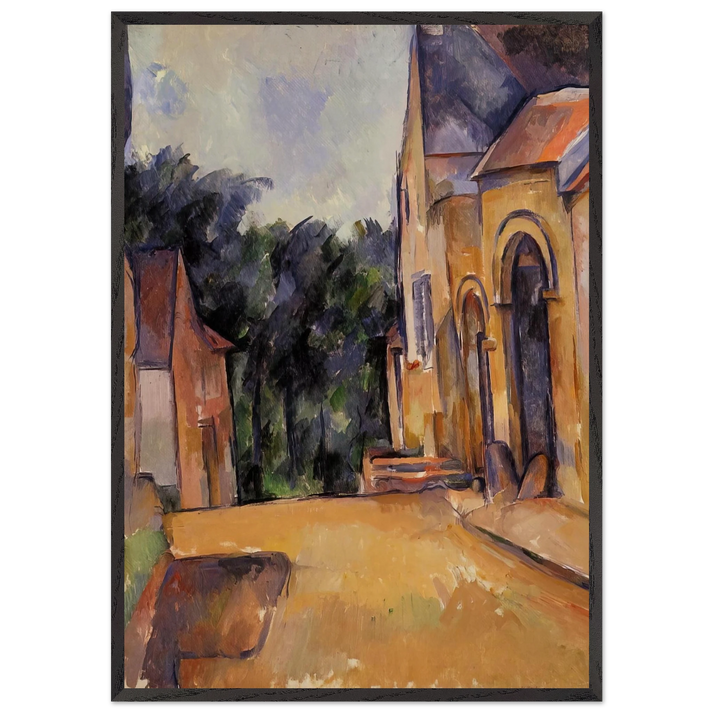
Farm at Montgeroult - Paul Cezanne 70x100 cm / 28x40 inches Framed Art Print – Black Wooden Frame
Farm at Montgeroult - Paul Cezanne 70x100 cm / 28x40 inches Framed Art Print – Black Wooden Frame
Couldn't load pickup availability
Farm at Montgeroult by Paul Cézanne: A Masterpiece of Post-Impressionism
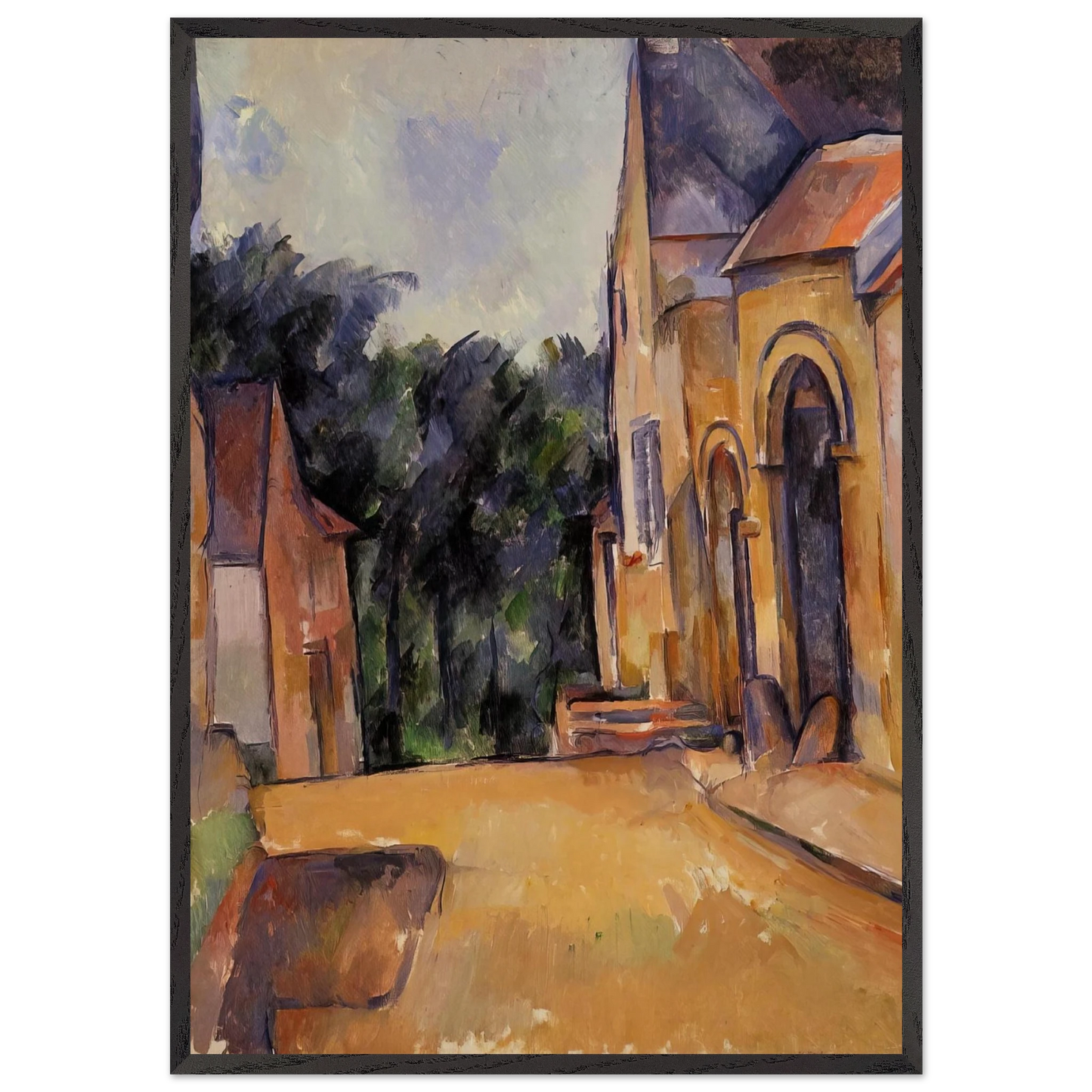
Immerse yourself in the serene beauty of Paul Cézanne's Farm at Montgeroult, a quintessential work from the Post-Impressionist era. This painting, created around 1899, showcases Cézanne's revolutionary approach to form and color, where geometric structures and harmonious tones transform a rural French landscape into a timeless composition. The scene captures the quiet dignity of farm life in Montgeroult, with its rustic buildings nestled among lush greenery, evoking a sense of peaceful stability and artistic innovation.
RedKalion presents this museum-quality reproduction as a framed art print, meticulously crafted to honor Cézanne's vision. Measuring 70x100 cm (28x40 inches), this piece is housed in a sophisticated black wooden frame made from responsibly sourced oak and ash wood. The frame features a substantial 20mm (0.79") thickness, wider than classic 14mm frames, adding depth and presence to your display. It arrives ready-to-hang with a complete hanging kit, allowing for effortless installation in your home or office.
Our commitment to excellence extends to the print itself, produced on archival museum-quality paper that ensures longevity and fidelity. The paper is a matte, uncoated, natural white sheet with a weight of 250 gsm (110 lb) and a thickness of 0.29 mm (11.4 mils), ideal for fine art reproductions. It is FSC-certified or equivalent, reflecting our dedication to sustainability. To protect this investment, the print is shielded by shatterproof plexiglass, offering durability without compromising clarity.
Elevate your space with an archival masterpiece that endures, blending Cézanne's artistic legacy with RedKalion's premium craftsmanship. This fine art print not only decorates but educates, inviting viewers to explore the nuances of Post-Impressionist technique and the enduring appeal of rural France.
Discover Unlimited Art Possibilities
At RedKalion, you can find virtually any artwork from any artist, available in a wide range of sizes to perfectly match your space.
If you didn’t find what you’re looking for, contact us at support@redkalion.com . We will source any artwork and produce it in any size and format you need, including art prints, posters, canvas, framed pieces, framed canvas, and more.
For dedicated art enthusiasts, we also offer handcrafted replicas of any artwork, carefully painted by highly skilled artists using traditional techniques.
For custom requests, contact us at support@redkalion.com .
What are the dimensions of the Farm at Montgeroult framed art print?
The framed art print measures 70x100 cm (28x40 inches), including the black wooden frame, making it a statement piece for any room.
What type of paper is used for this museum-quality reproduction?
We use a 250 gsm (110 lb) matte, uncoated, natural white archival museum-quality paper that is FSC-certified for sustainability and ideal for fine art prints.
Is the Farm at Montgeroult print ready to hang upon delivery?
Yes, this framed art print includes a hanging kit and is ready-to-hang directly on your wall for immediate display.
How does the frame protect and enhance the Paul Cézanne print?
The frame is made from responsibly sourced oak and ash wood, 20mm thick, with shatterproof plexiglass to protect the print while adding a classic, elegant look.
What makes this reproduction archival and long-lasting?
It features archival museum-quality paper and sustainable materials, ensuring the Farm at Montgeroult print resists fading and degradation over time.
Why is Farm at Montgeroult significant in Paul Cézanne's work?
This painting exemplifies Cézanne's Post-Impressionist style, using geometric forms and balanced colors to depict rural life, influencing modern art movements.
How does Cézanne's technique in this artwork reflect his artistic evolution?
Cézanne employed structured brushstrokes and a muted palette in Farm at Montgeroult, showcasing his shift toward abstraction and focus on compositional harmony.