RedKalion
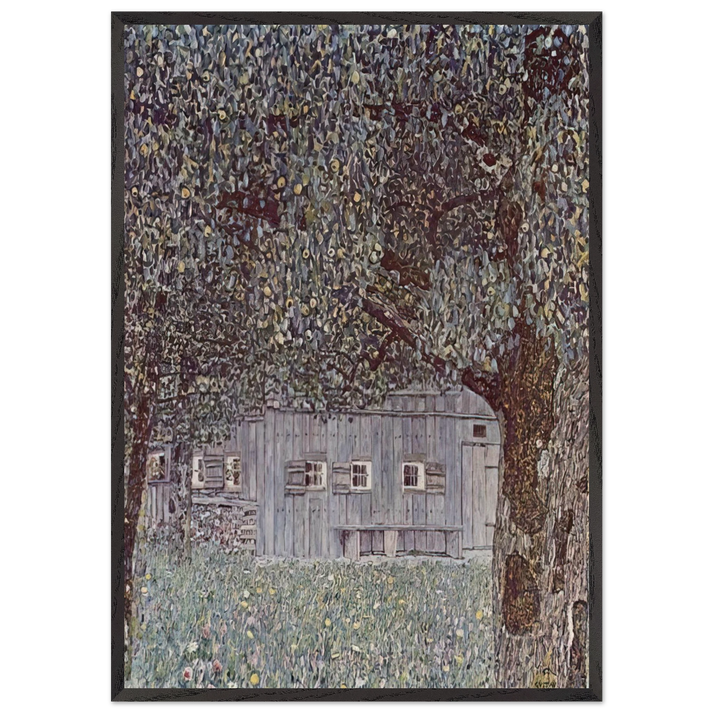
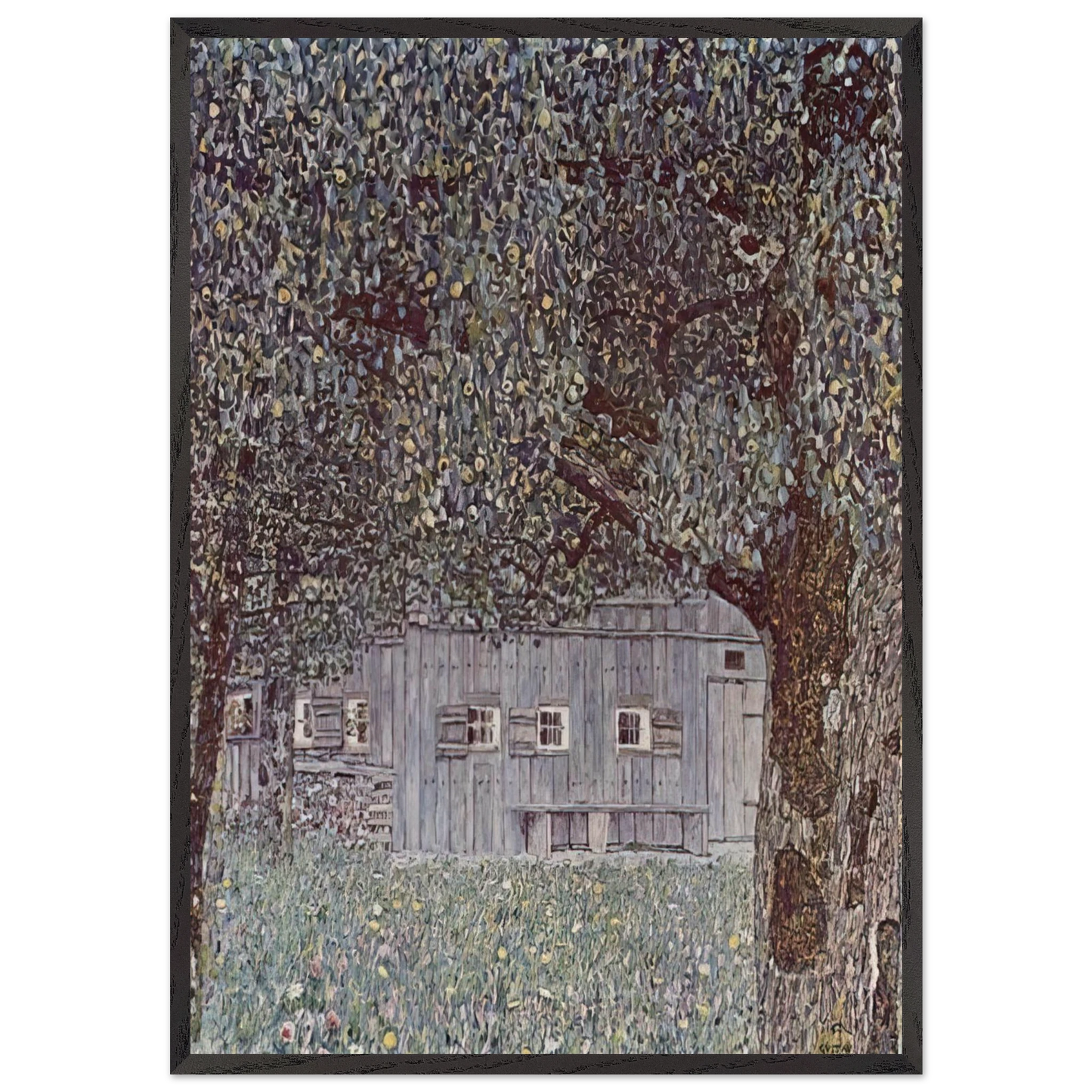
FARMHOUSE IN UPPER AUSTRIA 1912 - Gustav Klimt 70x100 cm / 28x40 inches Framed Art Print – Black Wooden Frame
FARMHOUSE IN UPPER AUSTRIA 1912 - Gustav Klimt 70x100 cm / 28x40 inches Framed Art Print – Black Wooden Frame
Couldn't load pickup availability
Farmhouse in Upper Austria 1912 - Gustav Klimt: A Timeless Masterpiece in Archival Framed Print
Immerse your space in the serene beauty of Gustav Klimt's Farmhouse in Upper Austria 1912, now available as a museum-quality framed art print from RedKalion. This exquisite reproduction captures Klimt's unique blend of realism and decorative abstraction, showcasing a tranquil rural scene from his later period. The artwork, measuring 70x100 cm (28x40 inches), is presented in a sophisticated black wooden frame, ready to elevate any interior with its historical charm and artistic depth.
Klimt, a leading figure of the Vienna Secession, often infused his landscapes with a symbolic, almost mystical quality. In this piece, his meticulous attention to architectural detail and natural light creates a harmonious balance, evoking a sense of peaceful nostalgia and connection to the Austrian countryside. This fine art print allows you to own a piece of art history, reproduced with unparalleled fidelity on archival materials.
Premium Framed Art Print Specifications
- Frame: Crafted from responsibly sourced oak and ash wood, this black wooden frame measures 20mm (0.79") thick and wide, offering a substantial, gallery-worthy presence that surpasses standard 14mm frames.
- Print Quality: Printed on 250 gsm (110 lb) matte, uncoated, natural white archival museum-quality paper with a thickness of 0.29 mm (11.4 mils), ensuring vibrant colors and fine detail reproduction.
- Protection: Features shatterproof plexiglass to safeguard the print from damage while maintaining clarity.
- Sustainability: Made with FSC-certified materials or equivalent, reflecting our commitment to eco-conscious art.
- Convenience: Includes a hanging kit for immediate display, ready to hang directly on your wall.
Elevate your home or office with this archival masterpiece from RedKalion, where expertise in art history meets premium craftsmanship in every reproduction.
Discover Unlimited Art Possibilities
At RedKalion, you can find virtually any artwork from any artist, available in a wide range of sizes to perfectly match your space.
If you didn’t find what you’re looking for, contact us at support@redkalion.com . We will source any artwork and produce it in any size and format you need, including art prints, posters, canvas, framed pieces, framed canvas, and more.
For dedicated art enthusiasts, we also offer handcrafted replicas of any artwork, carefully painted by highly skilled artists using traditional techniques.
For custom requests, contact us at support@redkalion.com .
What are the dimensions of this Gustav Klimt framed art print?
The framed print measures 70x100 cm (28x40 inches), with a 20mm thick black wooden frame, perfect for adding a statement piece to your space.
What type of paper is used for this museum-quality reproduction?
It uses 250 gsm (110 lb) matte, uncoated, natural white archival museum-quality paper, ideal for fine art prints with vibrant color and detail.
How is the print protected in the frame?
The print is safeguarded by shatterproof plexiglass, ensuring durability and clarity while protecting this Gustav Klimt artwork from damage.
Is this framed print ready to hang upon arrival?
Yes, it includes a hanging kit and is ready to hang directly on your wall, offering a convenient, gallery-ready display solution.
What makes this frame sustainable and high-quality?
The frame is made from responsibly sourced oak and ash wood with FSC-certified materials, providing a durable, eco-conscious option for your art.
What is the historical significance of Farmhouse in Upper Austria 1912 by Gustav Klimt?
This artwork reflects Klimt's later period, blending realism with symbolic elements to capture the tranquil essence of rural Austria, showcasing his mastery beyond his famous golden phase.
How does Klimt's technique in this piece differ from his earlier works?
In this piece, Klimt employs a more subdued palette and detailed architectural rendering, focusing on light and texture rather than the ornate gold leaf of his earlier styles.