RedKalion
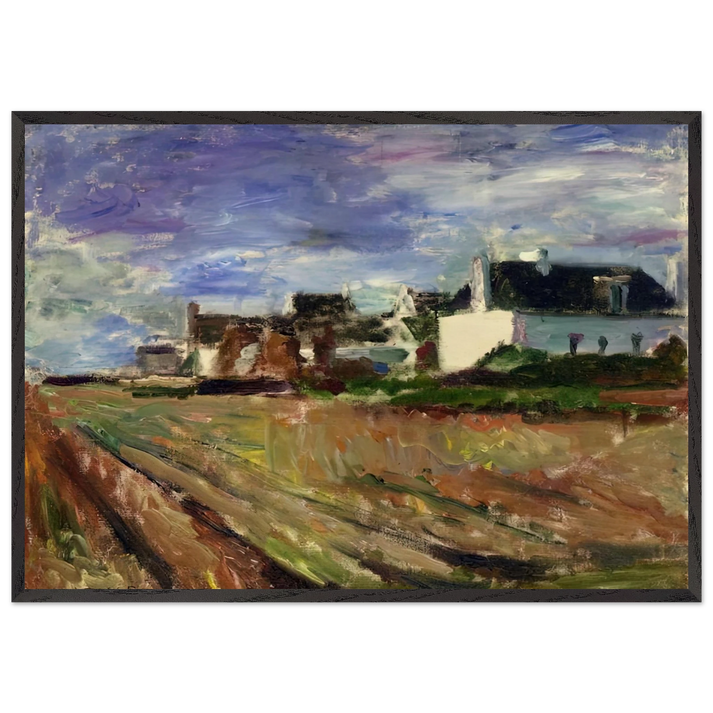
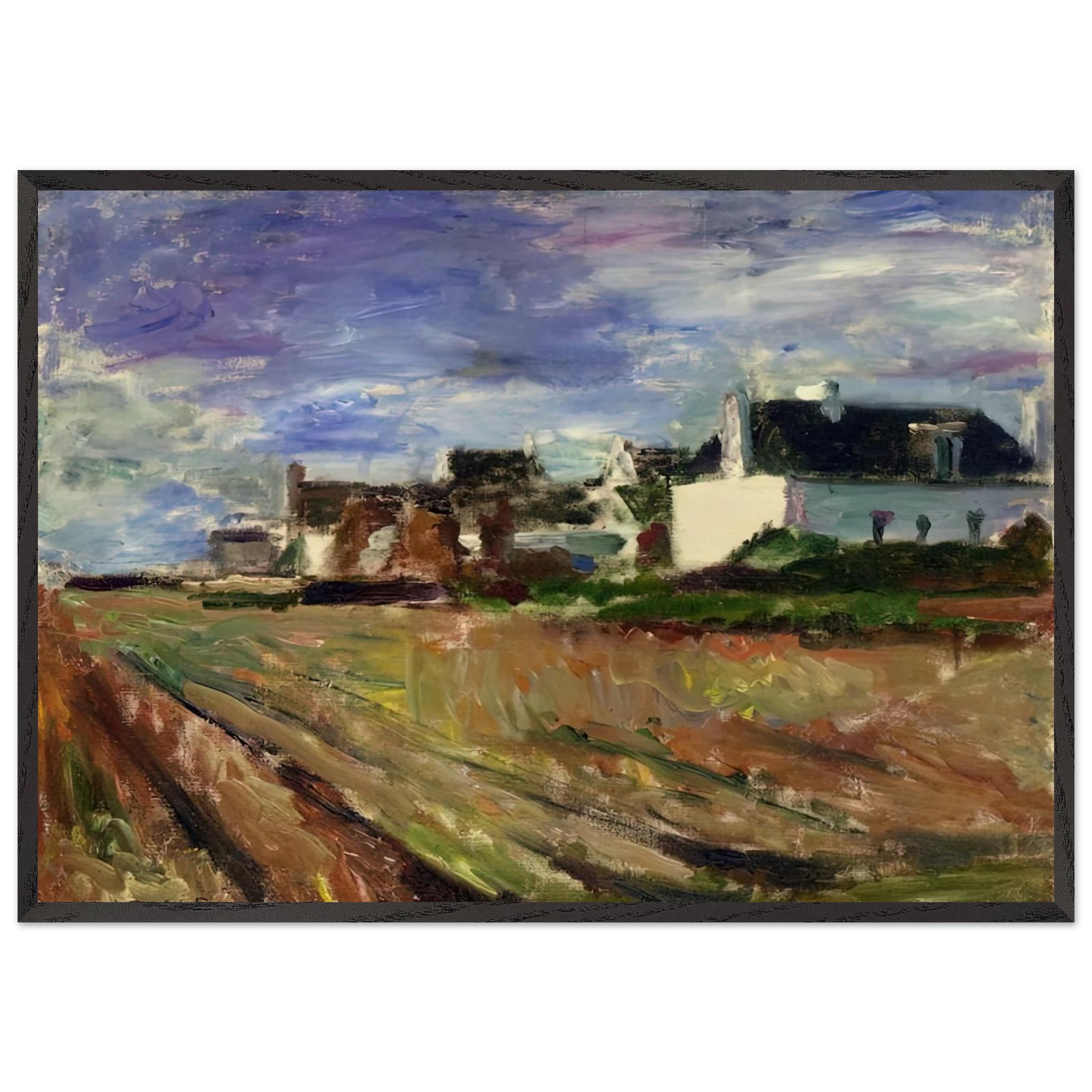
FARMS IN BRITTANY BELLE ILE 1897 - Henri Matisse 70x100 cm / 28x40 inches Framed Art Print – Black Wooden Frame
FARMS IN BRITTANY BELLE ILE 1897 - Henri Matisse 70x100 cm / 28x40 inches Framed Art Print – Black Wooden Frame
Couldn't load pickup availability
FARMS IN BRITTANY BELLE ILE 1897 - Henri Matisse
Immerse yourself in the vibrant, sun-drenched landscapes of Brittany with this museum-quality fine art print of Henri Matisse's "Farms in Brittany Belle Ile 1897". This archival reproduction captures the artist's early exploration of color and light, showcasing the rustic charm of French countryside scenes with a masterful touch that would later define his Fauvist style.
Painted during Matisse's transformative summer on Belle-Île-en-Mer, this work reflects his shift from academic realism toward expressive, luminous palettes. The composition balances geometric farm structures with organic natural forms, offering a serene yet dynamic view that evokes tranquility and artistic innovation. It's a perfect piece for those seeking to elevate their space with a historically significant, visually captivating artwork.
RedKalion presents this premium framed art print with uncompromising quality. The print is produced on 250 gsm (110 lb) matte, uncoated, natural white archival paper, ensuring rich color fidelity and longevity. It's protected by shatterproof plexiglass and housed in a black wooden frame crafted from responsibly sourced oak and ash wood, measuring 20mm (0.79") thick and wide for a substantial, gallery-worthy presence. The frame includes a ready-to-hang kit, allowing for immediate display.
As your trusted curator of fine art reproductions, RedKalion combines art historical expertise with sustainable practices, using FSC-certified materials. This piece is not just a decoration but an enduring investment in beauty and culture.
Discover Unlimited Art Possibilities
At RedKalion, you can find virtually any artwork from any artist, available in a wide range of sizes to perfectly match your space.
If you didn’t find what you’re looking for, contact us at support@redkalion.com . We will source any artwork and produce it in any size and format you need, including art prints, posters, canvas, framed pieces, framed canvas, and more.
For dedicated art enthusiasts, we also offer handcrafted replicas of any artwork, carefully painted by highly skilled artists using traditional techniques.
For custom requests, contact us at support@redkalion.com .
What are the dimensions of this Henri Matisse framed art print?
The print measures 70x100 cm (28x40 inches), framed in a black wooden frame that is 20mm thick and wide, providing a substantial, gallery-quality look for your fine art display.
What type of paper is used for this museum-quality reproduction?
We use 250 gsm (110 lb) matte, uncoated, natural white archival paper with a thickness of 0.29 mm (11.4 mils), ideal for preserving the vibrant colors and details of this Henri Matisse artwork.
Is this framed print ready to hang on my wall?
Yes, this framed art print includes a hanging kit and is ready-to-hang directly on your wall, making it easy to enjoy this premium reproduction of Farms in Brittany Belle Ile immediately.
How does the frame protect and enhance the print?
The black wooden frame, made from responsibly sourced oak and ash, is 20mm thick and wide, and features shatterproof plexiglass to protect this archival fine art print from damage while adding a sleek, modern touch.
Is the paper sustainable for this fine art print?
Yes, we use FSC-certified or equivalent sustainable materials for our archival museum-quality paper, ensuring an eco-friendly choice for your Henri Matisse reproduction.
What is the historical significance of Farms in Brittany Belle Ile 1897?
Painted during Matisse's summer on Belle-Île-en-Mer, this 1897 work marks his early move toward expressive color and light, prefiguring the Fauvist movement and showcasing rustic French landscape scenes.
How does this print capture Matisse's artistic style from this period?
This reproduction highlights Matisse's balance of geometric farm structures with organic forms, using a luminous palette that evokes tranquility and innovation, characteristic of his transition to modernism.