RedKalion
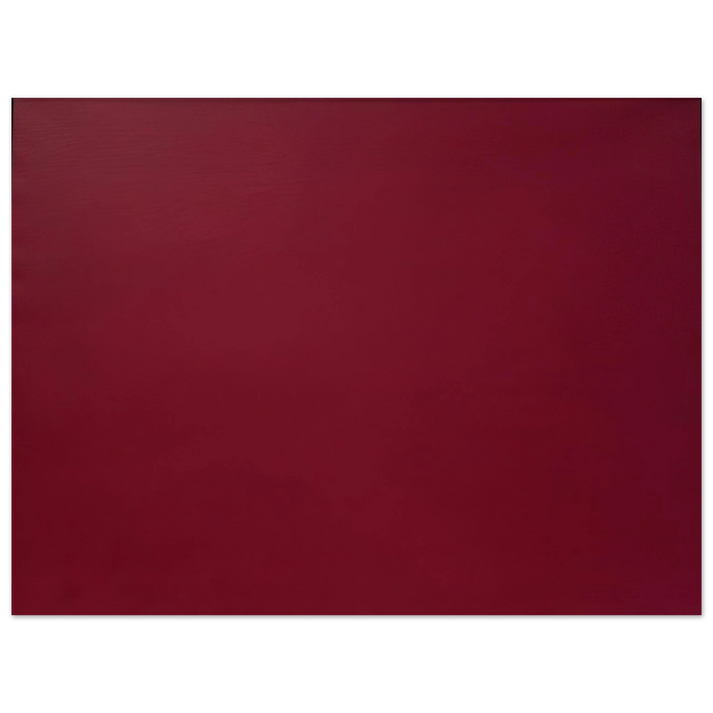
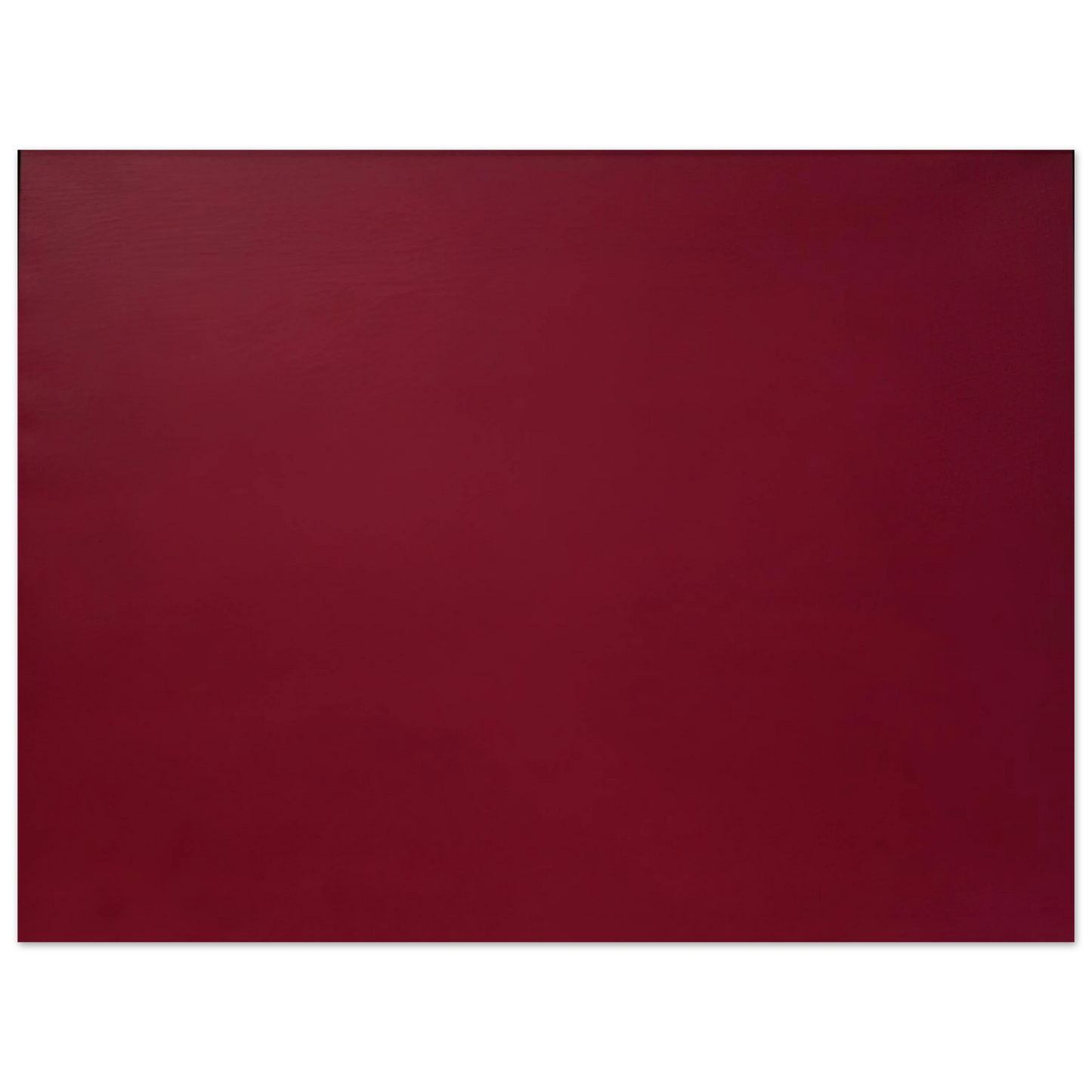
Fernand Leduc - Microchromie 71, ZL Fushia 75x100 cm / 30x40inches Fine Art Poster
Fernand Leduc - Microchromie 71, ZL Fushia 75x100 cm / 30x40inches Fine Art Poster
Couldn't load pickup availability
Fernand Léduc - Microchromie 71, ZL Fushia: A Masterpiece of Abstract Color
Elevate your space with Fernand Léduc's Microchromie 71, ZL Fushia, a stunning fine art print that captures the essence of the artist's pioneering work in abstract color theory. This museum-quality reproduction, measuring 75x100 cm (30x40 inches), brings the vibrant energy of Léduc's Plasticien movement into your home or office, offering a sophisticated focal point that sparks conversation and inspires contemplation.
As a leading figure in Quebec's abstract art scene, Fernand Léduc (1916-2014) co-founded the Automatistes group before evolving into the Plasticiens, where he focused on geometric precision and chromatic exploration. Microchromie 71, ZL Fushia exemplifies his later Microchromies series, characterized by intricate grids of pure, luminous color that create optical vibrations and a sense of infinite depth. This piece, with its bold fuchsia hues interplaying with subtle tonal variations, demonstrates Léduc's mastery of color as an autonomous, emotional force—a testament to his belief that art should evoke pure visual sensation without narrative constraints.
At RedKalion, we honor this legacy with our premium archival reproductions. Printed on Master's Edition archival paper, this fine art poster features a matte, uncoated finish in a natural white (off-white) shade, enhancing the luxurious texture and color fidelity. The paper is acid-free (pH above 7) to prevent yellowing, ensuring your print remains vibrant for generations. With a weight of 250 gsm (110 lb) and a thickness of 0.29 mm (11.4 mils), it offers a substantial, gallery-worthy feel. Our commitment to sustainability is reflected in the FSC-certified paper, and we provide convenient on-demand printing with no minimum orders, shipped directly to you.
Invest in a piece of art history with this archival masterpiece from RedKalion—where expertise meets enduring quality.
Discover Unlimited Art Possibilities
At RedKalion, you can find virtually any artwork from any artist, available in a wide range of sizes to perfectly match your space.
If you didn’t find what you’re looking for, contact us at support@redkalion.com . We will source any artwork and produce it in any size and format you need, including art prints, posters, canvas, framed pieces, framed canvas, and more.
For dedicated art enthusiasts, we also offer handcrafted replicas of any artwork, carefully painted by highly skilled artists using traditional techniques.
For custom requests, contact us at support@redkalion.com .
What are the dimensions of this Fernand Léduc fine art print?
This museum-quality reproduction measures 75x100 cm (30x40 inches), perfect for creating a bold statement in any room with its abstract color design.
What type of paper is used for this archival print?
It's printed on Master's Edition archival paper, a museum-quality, acid-free material with a matte, uncoated finish in natural white for superior color reproduction and longevity.
How is this art print shipped and are there minimum orders?
We offer on-demand printing with no minimum orders, and each piece is carefully packaged and shipped directly to you to ensure it arrives in pristine condition.
Will this print yellow or fade over time?
No, the acid-free paper (pH above 7) and archival-quality inks prevent yellowing, making this a durable fine art poster that maintains its vibrant colors for decades.
What is the weight and thickness of the paper?
The paper is 250 gsm (110 lb) with a thickness of 0.29 mm (11.4 mils), giving it a substantial, premium feel ideal for framing and display.
What artistic movement does Fernand Léduc's Microchromie series represent?
It represents the Plasticien movement, focusing on geometric abstraction and chromatic exploration to create optical vibrations and pure visual sensation without narrative.
Why is the matte finish important for this abstract art print?
The matte, uncoated finish reduces glare and enhances texture, allowing the intricate color grids of Léduc's Microchromie to be viewed clearly from any angle.